This blog is managed by the content creator and not GhanaWeb, its affiliates, or employees. Advertising on this blog requires a minimum of GH₵50 a week. Contact the blog owner with any queries.
RA Media Gh Blog of Friday, 6 November 2026
Source: Rachel Ankomah
GADA Engages Sports Stakeholders on 2027 World Anti-Doping Code and Prohibited List
- Share:


ACCRA, Ghana — November 6, 2026
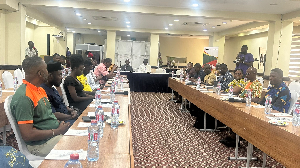
The Ghana Anti-Doping Agency (GADA) has engaged sports stakeholders in a consultation meeting in Accra to discuss the 2027 World Anti-Doping Code, International Standards and Prohibited List, ahead of their implementation on January 1, 2027.
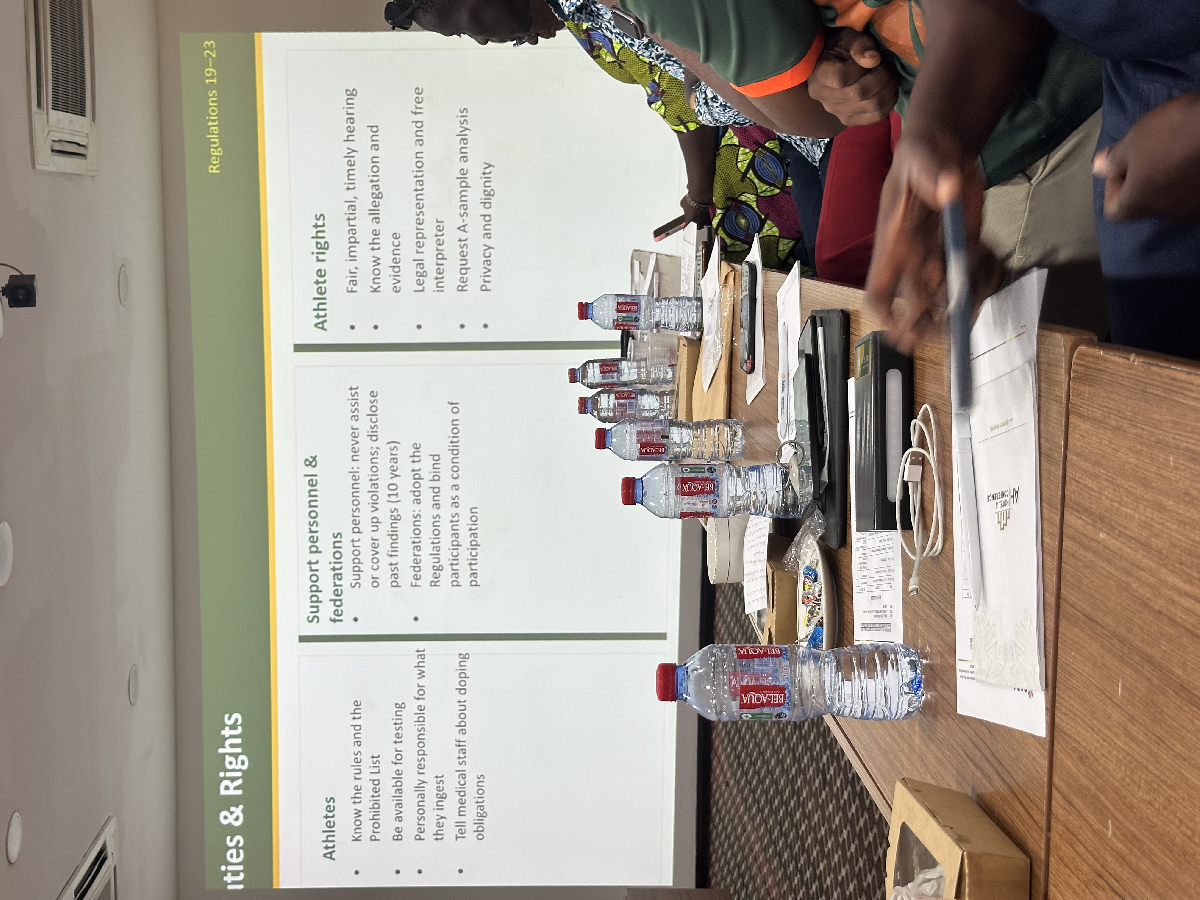
The meeting, held on Friday, November 6, at AH Hotel and Conference in East Legon, brought together stakeholders to examine key changes to the international anti-doping framework and their implications for athletes, coaches, sports federations, medical personnel and administrators.
The consultation underscored the importance of education, stakeholder collaboration and regulatory compliance in protecting athletes and promoting integrity in Ghanaian sport.
Sports Minister Commends GADA for Its Clean Sport Efforts
The Minister for Sports and Recreation, Hon. Kofi Iddie Adams, commended GADA for its work towards strengthening anti-doping practices and safeguarding the integrity of sport in Ghana.
He emphasised that anti-doping is central to sports development, highlighting its role in protecting the health, dignity and future of athletes.
The Minister stressed that behind every sporting event and every result is an athlete whose health, safety and welfare matter and must be protected.
He also called on the media to play a responsible role in promoting clean sport by using their platforms to educate the public about doping risks and the consequences of anti-doping rule violations.
He encouraged media organisations to report cases accurately, respect due process and avoid misinformation or the unfair bashing of athletes over their performances or alleged violations.
His remarks reinforced the need for a collective approach involving sports authorities, federations, athletes, the media and other stakeholders to ensure that sporting achievements are attained fairly and without compromising athlete welfare.
Education Beyond Testing and Sanctions
A key message from the consultation was that anti-doping goes beyond testing athletes and imposing sanctions. Education and prevention were highlighted as essential components of an effective anti-doping system.
Stakeholders were encouraged to ensure that athletes receive proper and timely education to help them make informed decisions about substances, medications, supplements and other practices that could expose them to anti-doping violations.
The discussions emphasised that athletes need to understand their responsibilities under the anti-doping rules and the potential consequences of prohibited substance use, including situations in which violations may occur unintentionally.
The approach also places responsibility on athlete support personnel, coaches, medical teams, sports administrators and federations to help create an informed sporting environment where clean sport is understood and practised.
Stakeholders Urged to Submit Annual Sporting Calendars Early
GADA also called on sports federations, relevant services, the Ghana Education Service (GES) and other stakeholders to actively participate in the national anti-doping effort.
Organisations were encouraged to submit their proposed annual sporting calendars to the agency well in advance to support effective planning and coordination of anti-doping activities.
The calendars are expected to capture relevant activities, including training camps, sporting events, development programmes and competitions, both locally and internationally.
Early submission would enable the agency to plan its engagements and education activities more effectively and coordinate anti-doping interventions around the sporting calendar.
The call highlighted the importance of integrating anti-doping considerations into sports planning rather than treating them as an issue to be addressed only when competitions are underway or violations have occurred.
Understanding the 11 Anti-Doping Rule Violations
The consultation also addressed the 11 categories of Anti-Doping Rule Violations (ADRVs), alongside discussions on testing, results management, sanctions, Therapeutic Use Exemptions (TUEs), data protection and the protection of minors.
The discussions were intended to strengthen stakeholders’ understanding of the rules governing anti-doping and the responsibilities of athletes and other individuals involved in sport.
Therapeutic Use Exemptions provide a formal process through which eligible athletes may obtain authorisation to use a prohibited substance or method for legitimate medical reasons, subject to the applicable criteria.
Stakeholders also examined the importance of protecting confidential information, ensuring fair procedures and safeguarding minors within the anti-doping system.
The programme featured a technical presentation on education and key revisions to the 2027 Code, International Standards and Prohibited List by Mr Emmanuel Odame. A stakeholder discussion covering testing, results management, sanctions, TUEs, data protection and the protection of minors was led by Mr Prince Azanu.
The meeting also provided opportunities for engagement on the regulations governing anti-doping and their implications for sports administration in Ghana.
Preparing for the 2027 Framework
The 2027 World Anti-Doping Code and International Standards are scheduled to take effect on January 1, 2027. The revised framework addresses several areas, including athlete rights, education, fair and proportionate sanctions, results management and the protection of minors.
Ghana’s anti-doping framework is underpinned by the Ghana Anti-Doping Act, 2024 (Act 1116), which established the legal foundation for the country’s anti-doping system.
As implementation approaches, continued education and collaboration will be important to ensuring that sports organisations and their members understand the requirements and are prepared to comply.
The consultation reinforced the principle that protecting clean sport requires more than enforcement. It calls for proactive education, responsible reporting, effective planning and cooperation across the sporting ecosystem.
For Ghana, strengthening these practices is essential to protecting athletes, promoting fair competition and building confidence in the country’s sporting system.
RA Media GH will continue to follow developments in sports governance, athlete welfare and the policies shaping the future of sport in Ghana.






Opinions