This blog is managed by the content creator and not GhanaWeb, its affiliates, or employees. Advertising on this blog requires a minimum of GH₵50 a week. Contact the blog owner with any queries.
Northernblog Blog of Saturday, 3 October 2026
Source: Yunus Mumuni
Yendi Municipal Assembly denies constructing 'ghost boreholes' SOCO projects
- Share:


The Yendi Municipal Assembly in the Northern Region has rejected an investigative report by The Fourth Estate alleging that three communities in the municipality benefited from mechanised boreholes that existed only on paper under the Gulf of Guinea Northern Regions Social Cohesion (SOCO) Project.
The Fourth Estate, in its investigative report titled “Drilled on Paper: The SOCO Ghost Boreholes,” reported that residents of Kpatua, Guntingli and Kamshegu had not benefited from the mechanised borehole project, despite the communities being listed as beneficiaries.
According to the report, residents in the affected communities continued to compete with animals for water from hand-dug wells and muddy dams.
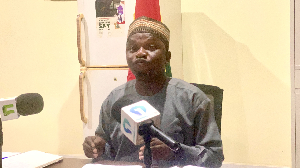
However, the Yendi Municipal Chief Executive, Sugiri Muniru, has strongly disputed the characterization of the three communities as beneficiaries of “ghost boreholes.”
"The Yendi Municipal Assembly, however, insists that the challenges encountered during drilling do not mean the boreholes only exist on paper" he said while speaking to the media in Yendi.
He said the report did not adequately establish what happened during the implementation of the project and accused The Fourth Estate of failing to seek clarification from the Yendi Municipal Assembly before publishing its findings.
"The project estimated for 100 meters from the drilling point for mechanization but when they went and did the siting, where they had water in the seven areas were far away from the community centers. Beneficiaries thought it wise that if they're going to have it mechanized 100m from the drilling point, it will be far away from people who are to access the water" The MCE explained.
According to the MCE when Kpatua, Guntingli and Kamshegu experienced serious challenges with their water tables, making it impossible for the contractor to successfully obtain groundwater, they sought for approval from the SOCO headquarters in Accra to make variations to the project to enable the assembly extend the point of mechanization from the initial 100m to a distance near the communities.
"SOCO after inspection realized they couldn't continue with Kpatua, Guntingli and Kamshagu, approval was given to the assembly to carry on with the seven projects. So places like Kuni, instead of 100m, it moved to 1,700 meters,Gundogu moved from 100m to 1000m, Kpanjamba No.1 from 100m to 600m and Kpanjamba No 2 from 100m to 800m and Kpagu from 100m to 500m, where was the funding going to come from?" Mr Sugri further explained.
He called on the public to disregard the investigative report, assuring that the assembly would ensure every penny is spent on its intended purpose