This blog is managed by the content creator and not GhanaWeb, its affiliates, or employees. Advertising on this blog requires a minimum of GH₵50 a week. Contact the blog owner with any queries.
Northernblog Blog of Wednesday, 16 April 2025
Source: Yunus Mumuni
Bridging the Gap: The Critical Role of Video & Television Education in Northern Ghana
- Share:


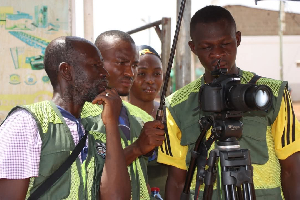
Tamale, the vibrant capital of the Northern Region, serves as the political, economic, and cultural hub of Northern Ghana. Over the years, the city has experienced rapid urbanization, becoming a center for commerce and innovation. Yet, despite this growth, one critical area remains underserved—formal education in video and television production.
The Power of Film & Television in Northern Ghana
The Northern movie industry, popularly known as TallywoodGH, has evolved from Grassroots Theater and social advocacy in the 1980s into a thriving creative sector.
With the initially use of theatre by NGOs to educate communities on farming and health related awareness campaign, filmmaking has grown into a powerful medium for cultural expression and economic empowerment. Today, TallywoodGH produces compelling films in Dagbanli - the region’s dominant language; whiles telling authentic African stories, reducing reliance on foreign films while preserving local culture.
Despite its success, the industry faces a critical challenge which is the lack of a structured educational institution to train aspiring filmmakers. Many industry professionals are self-taught, learning through trial and error rather than formal instruction in cinematography, editing, and storytelling. While their raw talent has earned them accolades—including multiple wins at the Kumarwood Movie Awards—the absence of professional training limits their potential.

The Critical Role of Tamale Film and Television Academy (TAFTA)
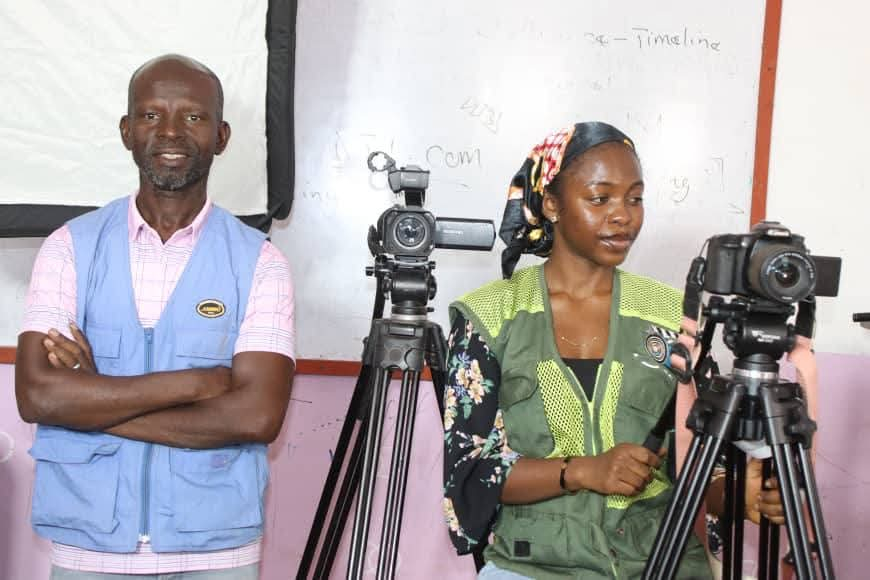
This gap is where Tamale Film and Television Academy (TAFTA) steps in, providing professional training in video and television production to empower the youth.
TAFTA stands currently as the only vocational based private institution in Tamale with the technical expertise and capability to provide professional training in video and television production. Its 16-week intensive program equips students with hands-on skills in directing, cinematography, sound production, and editing—essential competencies for a thriving creative industry.
However, without sustained support, TAFTA’s mission to empower Northern youth remains at risk. To ensure TAFTA continues its vital work, the following interventions are crucial:
1. Government Funding & Policy Support
- TAFTA's programs align with the government's initiative to equip the youth in skills and development training with its Free Apprenticeship Training module.
- The government should recognize film and television production as a key sector for youth employment and cultural preservation, integrating it into national educational and creative industry policies.
- Scholarships and grants should be provided to students from low-income backgrounds to access TAFTA’s programs.
- The Ministry of Tourism, Arts, and Culture, the Youth Employment Agency (YEA) and National Film Authority should partner with TAFTA to expand its infrastructure and curriculum.
2. Private Sector & NGO Partnerships
- NGOs focused on youth development can collaborate with TAFTA to offer skills development initiatives for unemployed youth.
3. International Collaboration & Investment
- Learning from Nigeria’s Nollywood success, Ghana can attract foreign investors and film institutions to establish partnerships with TAFTA.
- Cultural exchange programs with global film schools can enhance training standards.
TAFTA's Initiatives:
With a core mandate to empower the youth, foster creativity and contribute to social development, TAFTA has undertaken initiatives such as;
- Free Multimedia Class: TAFTA offers an annual free multimedia class to provide opportunities for young people to learn video production skills.
- Subsidized Packages: The academy provides subsidized packages for its students, making quality education more accessible.
- Community Engagement: TAFTA engages with the local community through projects like the "E-Highlight" TV program and "The Washing Bay" mini-series, showcasing student talent and creativity ¹.
Conclusion
TAFTA is uniquely positioned to deliver this promise for the creative sector by:
• Scaling up its free training initiatives, providing industry-aligned certification, connecting graduates with film industry opportunities
By investing in TAFTA, the government and stakeholders are not just supporting a film school—they are empowering a generation of storytellers, preserving culture, and creating jobs. The time to act is now, before another decade passes without a formal film education system in Northern Ghana.
Writer: Sir Wash