This blog is managed by the content creator and not GhanaWeb, its affiliates, or employees. Advertising on this blog requires a minimum of GH₵50 a week. Contact the blog owner with any queries.
News Hub Blog of Tuesday, 3 February 2026
Source: Stephen Darko
Borla Taxi and Tricycle Association Swears In New Executives to Boost Waste Management
- Share:


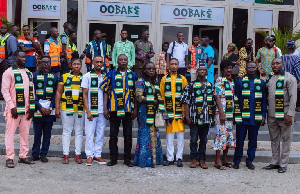
The Borla Taxi and Tricycle Association (BTTA) has officially sworn in its newly elected national executives at a ceremony held at the Omanye Hall of the Accra Metropolitan Assembly (AMA).
The event, held on Tuesday, February 3, brought together representatives from key institutions including the Environmental Protection Agency, Footprints Ghana, ESPA, the Ministry of Local Government, People’s Dialogue, and other partners committed to improving sanitation and waste management across the country.
The inauguration marked what leaders described as a defining moment for the association, signaling a renewed commitment to accountability, professionalism, and service to both members and the wider community. The gathering also highlighted the growing recognition of informal waste collectors as critical partners in maintaining urban sanitation.
The Executive Chairman of the BTTA Board, Godsway Asamani, said the swearing-in was more than a procedural exercise, describing it as a solemn covenant of responsibility to members and the nation.
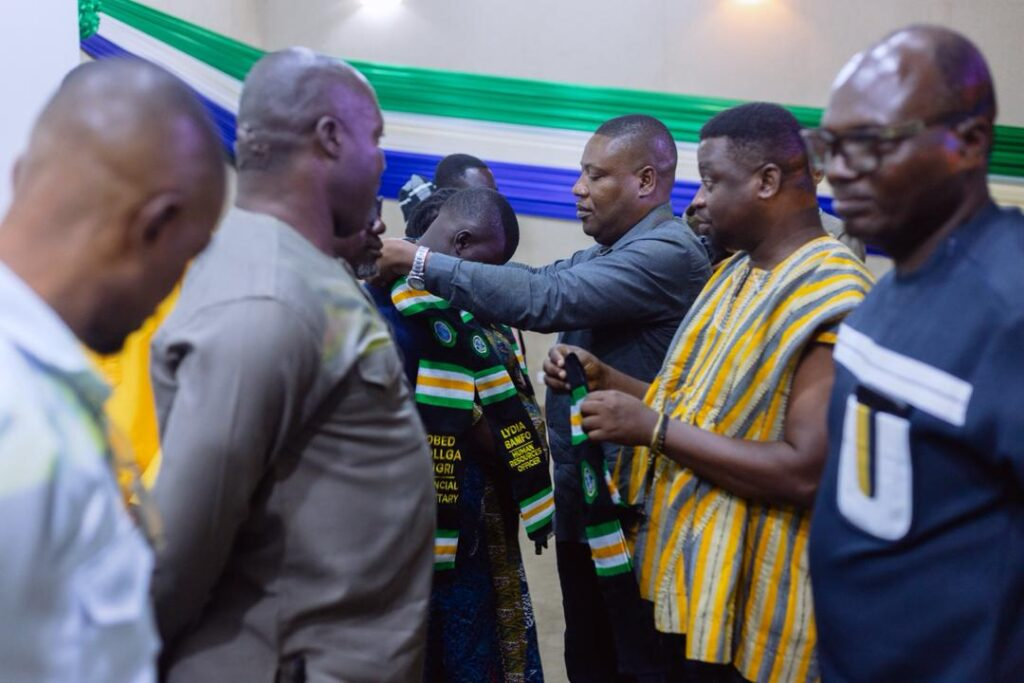
He paid tribute to the outgoing executives for laying a solid foundation that has strengthened the association’s legitimacy in sanitation advocacy and organizational governance. He stressed that the new leadership would prioritise transparency, inclusivity, and strategic direction while institutionalizing gender balance within the association.
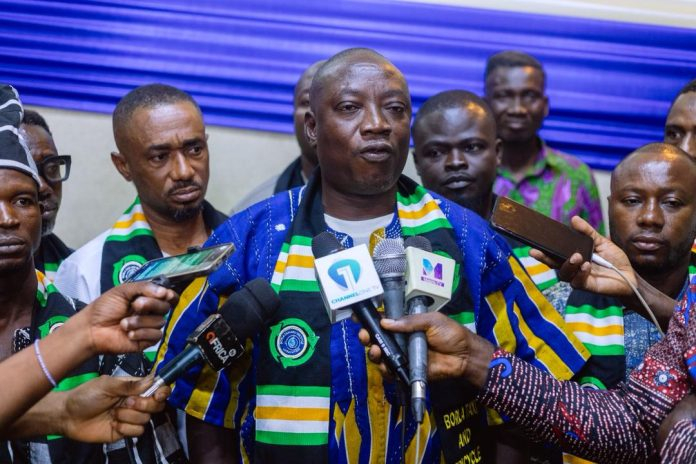
According to him, the board will also focus on strengthening governance structures, deepening partnerships with government and civil society, securing financial resources for programs, and enhancing media engagement to amplify its advocacy.
Welcoming participants, the Director of Waste Management at the AMA and Chairman of the ceremony, Victor Kortey, described the occasion as an important milestone in the city’s engagement with the informal waste sector.
He noted that although early interactions were marked by tension and operational challenges, the Assembly chose collaboration over confrontation by registering informal collectors and building their capacity through partnerships with local and international organizations.
Mr. Kortey acknowledged the significant role informal waste collectors now play in service delivery and reaffirmed the Assembly’s readiness to support the association to succeed. He, therefore, emphasized that effective governance within the group would further strengthen efforts to improve waste collection and help the city win what he termed the ongoing fight against filth.
In his acceptance speech, the newly elected BTTA President, Johnbosco Avom Aduko, reflected on the association’s journey since 2014, recalling periods when members faced harassment from former contractors before organizing themselves into a unified body. Today, he said, the association has expanded its reach and operates in areas previously underserved by traditional contractors.
He revealed that informal waste workers currently account for an estimated 75 percent of waste collection in the Greater Accra area, underscoring their importance to the national waste management system. He urged his fellow executives to remain focused and work diligently to elevate the association’s image while contributing meaningfully to environmental improvement.
Speaking to the media after the ceremony, the BTTA president appealed to the government to address landfill challenges, noting that current disposal sites located around Tema and Kpone are far from operational zones.
He called for the establishment of additional transfer stations to ease the burden on collectors and pledged the association’s commitment to tackling improper waste disposal. Aduko added that BTTA’s operations now extend beyond Accra to cities including Kumasi, Tarkwa, and Takoradi, positioning the group as a key player in Ghana’s sanitation landscape.





Entertainment