This blog is managed by the content creator and not GhanaWeb, its affiliates, or employees. Advertising on this blog requires a minimum of GH₵50 a week. Contact the blog owner with any queries.
Neo Report Blog of Saturday, 15 August 2026
Source: Obeng Samuel
UCC Calls For Stronger Community Partnerships To Fight Hypertension
- Share:


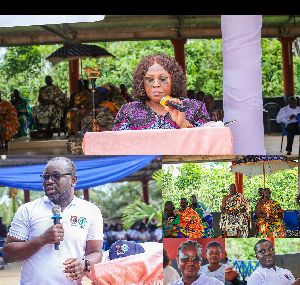
The University of Cape Coast (UCC) is calling for stronger partnerships between universities, communities, health professionals and other stakeholders to intensify the fight against hypertension, a growing public health challenge in Ghana.
The Pro Vice-Chancellor of UCC, Professor Christine Adu-Yeboah, made the call during a durbar marking the successful completion of the 2026 Community-Based Experience and Service (CoBES) programme undertaken by Doctor of Pharmacy students of the School of Pharmacy and Pharmaceutical Sciences at Agona Nyakrom in the Central Region.
The programme, held under the theme “Think Health, Think Pharmacist: Controlling Hypertension Together,” took students into 14 communities within the Agona West Municipality, providing them with an opportunity to engage directly with residents and better understand community health needs.
TAKING HEALTH EDUCATION BEYOND THE CLASSROOM
Professor Adu-Yeboah stressed that hypertension cannot be tackled by health facilities alone.
She called for collective action involving individuals, families, communities, traditional authorities, health facilities, educational institutions and other stakeholders.
Her message highlights an important shift in public health thinking: preventing and controlling hypertension must begin before people arrive at hospitals with complications.
The Pro Vice-Chancellor said the CoBES programme demonstrates how universities can use their knowledge, expertise and human resources to respond directly to real community health challenges.
She argued that university education should not be confined to lecture halls, but should equip students with the knowledge, skills, attitudes and empathy required to serve the communities they will eventually work with.
PHARMACISTS AS HEALTH ADVOCATES
Professor Adu-Yeboah emphasised that the role of pharmacists extends far beyond dispensing medicines.
According to her, pharmacists can make a significant contribution to hypertension prevention and control through health education, medication counselling, promoting treatment adherence and helping patients make informed health decisions.
She challenged the pharmacy students to see themselves not only as medicine professionals but also as healthcare providers, educators, counsellors and advocates for the communities they serve.
This approach places pharmacists closer to the everyday realities that influence people's health decisions, including how they understand their conditions, use medicines and respond to health advice.
COMMUNITY PARTNERSHIPS MUST CONTINUE
Professor Adu-Yeboah commended traditional authorities, community leaders and residents of the 14 communities for welcoming and supporting the students.
She said the cooperation demonstrated the value of strong relationships between academic institutions and the communities they serve.
But she stressed that the conclusion of the field exercise should not mark the end of the engagement.
Instead, she urged the School of Pharmacy and Pharmaceutical Sciences to use lessons from the programme to strengthen teaching, research and future community-based health interventions.
For the University, sustained community engagement could provide a two-way benefit: communities gain access to health information and professional expertise, while students and researchers gain a deeper understanding of the challenges facing the people they are being trained to serve.
A CALL FOR COMMUNITY OWNERSHIP
The Pro Vice-Chancellor also encouraged residents to take greater responsibility for their health by making use of available health information and services.
She urged community members to ensure that the lessons from the hypertension campaign continue in homes, families and communities, rather than ending with the CoBES programme.
This is particularly important because controlling hypertension requires sustained attention to prevention, early detection, appropriate treatment and adherence to care.
TRAINING HEALTH PROFESSIONALS TO SOLVE REAL PROBLEMS
The Dean of the School of Pharmacy and Pharmaceutical Sciences, Professor Ernest Obese, said the CoBES programme had provided pharmacy students with valuable hands-on experience to strengthen their professional training.
He said the practical exposure would help equip graduates with the knowledge and skills needed to manage complex health conditions and provide effective pharmaceutical care.
Professor Obese reaffirmed the School's commitment to ensuring that pharmacy education remains responsive to the health needs of communities.
THE BIGGER ADVOCACY MESSAGE
The UCC initiative presents a broader lesson for Ghana's fight against hypertension: health promotion must move closer to where people live.
Universities possess knowledge and expertise. Communities possess lived experience and an understanding of their own realities. Health professionals provide clinical expertise, while traditional and community leaders can help build trust and encourage participation.
Bringing these strengths together could create a more sustainable response to hypertension and other chronic diseases.
The success of the 2026 CoBES exercise should therefore not be measured only by the completion of a student field programme. Its greater value lies in whether the partnerships created can continue to produce healthier communities, better-informed citizens and health professionals who understand that effective healthcare begins with people, not just prescriptions.
visit: neoreportgh.com
Credit: This advocacy report is based on information published by the University of Cape Coast (UCC) News on August 14, 2026. The original report credits the University and highlights the contributions of the School of Pharmacy and Pharmaceutical Sciences, community leaders and traditional authorities of Agona Nyakrom.
Read the original UCC publication






Entertainment