This blog is managed by the content creator and not GhanaWeb, its affiliates, or employees. Advertising on this blog requires a minimum of GH₵50 a week. Contact the blog owner with any queries.
Neo Report Blog of Friday, 9 October 2026
Source: Obeng Samuel
Tamale Communities Call for a Greater Voice in Shaping Public Spaces
- Share:


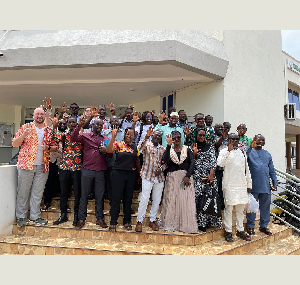
Communities in Tamale are being engaged to help shape public spaces that reflect their needs, priorities and everyday experiences, as part of efforts to promote inclusive and sustainable urban development.
The Urban Fabric Initiative (UFI) Tamale, led by ICLEI Africa in partnership with YEFL Ghana and the University for Development Studies (UDS), is adopting a community-centred approach to understanding how public spaces can better serve residents.
As part of the initiative's inception process, YEFL Ghana and its partners visited Lamakara, Buipela, Nalong and Tuutingli to engage residents and local stakeholders on how they use shared spaces and what improvements they would like to see.
The engagement seeks to ensure that decisions about public spaces are informed by the people who depend on them for trading, recreation, social interaction and other daily activities.
Public spaces are important to community life, yet their development can fall short when residents have limited opportunities to contribute to decisions about their design, use and management.
The UFI approach seeks to address this concern by placing community participation at the centre of urban planning. Through community engagement, citizen panels and collaboration with local leaders, the initiative aims to give residents a stronger voice in determining the future of spaces within their communities.
The approach also raises an important question for local authorities and urban development partners: how can cities ensure that public infrastructure responds to the needs of the people who use it?
Beyond constructing or improving physical spaces, community participation can help build a sense of belonging, identity and shared responsibility. It can also encourage residents to take greater ownership of facilities and contribute to keeping them safe, accessible and useful.
However, meaningful participation must go beyond consultations. Residents need opportunities to influence decisions, understand how their contributions are being considered and remain involved as projects move from planning to implementation and maintenance.
For this reason, the initiative recognises the importance of discussing not only what should be built, but also how communities and local authorities can work together to care for public spaces over time.
UFI Tamale forms part of the broader Tamale Urban Resilience Project (TURP), bringing a community-focused placemaking component to wider urban development efforts. The initiative recognises that smaller, locally driven interventions can complement larger infrastructure projects in improving urban life.
The project is led by ICLEI Africa, in partnership with YEFL Ghana and UDS, with support from the Ministry of Local Government, Chieftaincy and Religious Affairs and the Tamale Metropolitan Assembly.
It is funded by the Agence Française de Développement (AFD) and the European Union and implemented under the Sustainable Cities Ghana programme.
As the initiative progresses, its success will depend not only on the spaces created or improved, but also on how effectively residents' voices shape the process and whether the resulting facilities respond to their needs.
For the communities of Lamakara, Buipela, Nalong and Tuutingli, the engagement offers an opportunity to contribute to a wider conversation about the future of their neighbourhoods.
Ultimately, inclusive urban development requires more than building infrastructure. It requires listening to residents, involving them in decisions and ensuring that the spaces they share remain useful, accessible and well cared for.
NEO ReportGH Advocacy Focus: Residents must be more than beneficiaries of urban development. Their voices, needs and experiences should help determine how their communities grow, and their participation must continue beyond the planning stage.





Entertainment