This blog is managed by the content creator and not GhanaWeb, its affiliates, or employees. Advertising on this blog requires a minimum of GH₵50 a week. Contact the blog owner with any queries.
Neo Report Blog of Monday, 22 December 2025
Source: Obeng Samuel
Stakeholders Renew Call for Stronger Implementation of UN Declaration on Peasants’ Rights in Africa
- Share:


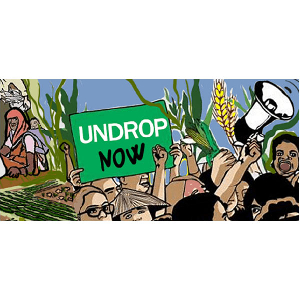
Civil society organisations, peasant movements, and human rights advocates have renewed calls for African governments to strengthen the implementation of the United Nations Declaration on the Rights of Peasants and Other People Working in Rural Areas (UNDROP), seven years after its adoption by the UN General Assembly.
The call was made during a webinar organised by the Kenyan Peasants League (KPL) on 17 December 2025 to commemorate the Day of Adoption of UNDROP, which was adopted in 2018 under UN General Assembly Resolution A/RES/73/165
Held under the theme “Rights of Peasants Seven Years After Adoption of UNDROP,” the webinar brought together 42 participants, with additional engagement through online platforms, to reflect on progress, challenges, and emerging threats to the rights of peasants and rural workers across Africa
Importance of UNDROP Highlighted
Africa’s representative to the UN Working Group on the Rights of Peasants, Prof. Uche Ofodile, underscored the importance of UNDROP, noting that over 33 million smallholder food producers in Africa contribute more than 70 percent of the continent’s food supply, with women forming the majority of this workforce
He observed that climate change, land grabbing, labour exploitation, unfair trade practices, and restrictions on seed rights continue to undermine peasants’ rights, particularly affecting women, youth, and persons with disabilities. Prof. Ofodile also outlined the mandate of the UN Working Group, which includes monitoring implementation, issuing annual reports, and receiving complaints on alleged violations
Persistent Challenges Across Countries
Panellists from Kenya, Uganda, Zimbabwe, and South Africa shared country-level experiences showing that while some national laws align with UNDROP, significant gaps remain between legal frameworks and actual implementation.
In Uganda, representatives highlighted challenges relating to access to information, land rights, and seed laws, citing land grabbing, criminalisation of land rights defenders, and restrictions on farmer-managed seed systems as major concerns
From Zimbabwe, participants pointed to insecure land tenure, limited peasant participation in decision-making, and restrictive seed laws that undermine traditional seed systems and livelihoods
South African activists noted that despite constitutional protections related to labour, food, and land rights, peasants and farmworkers continue to face illegal evictions, poor working conditions, and weak enforcement of existing laws
Women at the Centre of Peasant Rights
Human rights defender Rachael Mwikali emphasised that peasant rights are inseparable from women’s rights, noting that women produce over 70 percent of food in rural Africa yet rarely own land or participate meaningfully in decision-making. She called for stronger grassroots organising, legal reforms, and the translation of UNDROP into national laws
Calls for Action
Participants urged African governments to domesticate UNDROP into national legislation, protect women’s land and seed rights, and end the criminalisation of peasants and land defenders. Civil society organisations were encouraged to actively engage the UN Working Group by submitting complaints, responding to calls for input, and advocating for national action plans on peasant rights
The webinar concluded with recommendations for sustained regional collaboration, increased engagement with national human rights institutions, and continued public education to ensure that the rights enshrined in UNDROP translate into tangible benefits for peasants and rural communities across Africa .
neoreportgh.com
neoreportgh@gmail.com







Opinions