This blog is managed by the content creator and not GhanaWeb, its affiliates, or employees. Advertising on this blog requires a minimum of GH₵50 a week. Contact the blog owner with any queries.
Neo Report Blog of Thursday, 11 December 2025
Source: Obeng Samuel
Global Funding Cuts Threaten Maternal Health: UNFPA Warns Millions of Women and Girls at Risk
- Share:


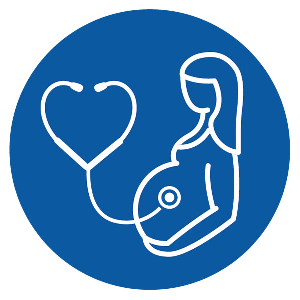
The United Nations Population Fund (UNFPA) has issued a stark warning that cuts to humanitarian funding are jeopardizing maternal health systems in crisis-affected countries around the world, threatening the lives of millions of women, girls, and newborns. The agency has launched a US$1 billion appeal to secure essential reproductive health and protection services in 41 vulnerable nations in 2026.
United Nations Population Fund
Maternal Health Services on the Brink
UNFPA’s latest appeal outlines the urgent resources needed to maintain critical services—including safe childbirth care, emergency obstetric treatment, contraception, and clinical support for survivors of sexual violence—for 34 million women, girls and young people living in conflict and disaster settings such as Sudan, Yemen, Gaza, Haiti, and Afghanistan.
United Nations Population Fund
The plea comes amid dramatic funding cuts in 2025 that forced the closure or near-closure of more than 1,000 health facilities and mobile health teams previously supported by UNFPA. Over 250 safe spaces for women and girls have also been shut down, removing vital support in communities already reeling from instability and violence.
United Nations Population Fund
“These systems—midwives, delivery clinics, and protection centres—are the lifelines that keep women and newborns alive,” said **UNFPA Executive Director Diene Keita. “When these services disappear, women are left to give birth without skilled care and survivors of violence have nowhere to turn.”
United Nations Population Fund
An Escalating Crisis in Humanitarian Settings
In many of the most fragile countries, maternal death rates remain alarmingly high, and the collapse of health services could reverse years of progress toward safer pregnancies and childbirth. UNFPA warns that more than 7.7 million pregnant women will require humanitarian assistance in 2026. Without adequate funding, up to 12 million women and girls may lose access to essential health and protection services.
United Nations Population Fund
The breakdown of maternal health systems also disrupts referral pathways, medical supplies, and emergency care, leaving families to face childbirth without the support of trained midwives or life-saving medicines.
United Nations Population Fund
UNFPA’s Response and Call to Action
Despite the severe shortfall in funding in 2025—UNFPA received only a third of what it requested—efforts to sustain operations helped provide:
Sexual and reproductive health services to 6.2 million people in humanitarian settings
Gender-based violence prevention and response services to 2.9 million people
Support to 2,800 health facilities and 770 mobile clinics
Training for nearly 12,000 health personnel
Safe spaces and youth-friendly community outreach initiatives.
United Nations Population Fund
To prevent further deterioration of maternal health care, UNFPA’s 2026 appeal focuses on:
Expanding access to reproductive health supplies and safe delivery kits
Strengthening women-led and local organizations through direct funding
Investing in preparedness so that care is available before crises hit
Ensuring continuity of services for survivors of sexual violence
United Nations Population Fund
A Global Imperative
Maternal health systems take years to build—but can be undone quickly by conflict, natural disasters, and funding shortfalls. UNFPA warns that without immediate investment and stronger global solidarity, a generation of women and girls in crisis-affected regions will face increased risk during pregnancy and childbirth.
UNFPA is calling on governments, international donors, and partners to step up funding, prioritizing maternal health and protection services as non-negotiable elements of humanitarian action.