This blog is managed by the content creator and not GhanaWeb, its affiliates, or employees. Advertising on this blog requires a minimum of GH₵50 a week. Contact the blog owner with any queries.
Neo Report Blog of Monday, 22 December 2025
Source: Obeng Samuel
Ghana Intensifies National Action to End Domestic, Sexual and Gender-Based Violence
- Share:


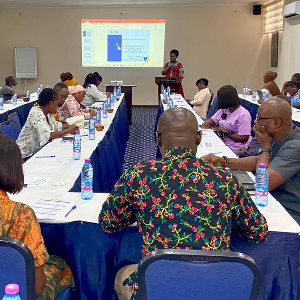
Ghana has taken another decisive step in the fight against Domestic, Sexual and Gender-Based Violence (D/SGBV) as the Ministry of Gender, Children and Social Protection (MoGCSP), through the Domestic Violence Secretariat, convened a high-level National Stakeholders’ Meeting to strengthen coordinated national action.
The engagement brought together key government institutions, civil society organisations, development partners, and frontline service providers whose mandates are central to preventing violence, protecting survivors, and strengthening Ghana’s national response systems. The meeting forms part of sustained efforts to move the country from fragmented responses to a unified, survivor-centred framework that prioritises safety, dignity, and justice.
Opening the meeting, the Head of the Domestic Violence Secretariat, Madam Malonin Asibi, made a compelling call for all actors to place survivors at the heart of every intervention. She stressed that addressing D/SGBV must go beyond policies and statements to tangible actions that protect survivors’ rights, restore dignity, and prevent re-victimisation.
Stakeholders received detailed presentations from the Domestic Violence Secretariat, the Domestic Violence and Victim Support Unit (DOVVSU) of the Ghana Police Service, and the United Nations Population Fund (UNFPA). These presentations outlined institutional mandates, current interventions, key achievements, and persistent challenges in preventing and responding to D/SGBV across the country.
Regional Directors of Gender, representatives of state agencies, and Civil Society Organisations further shared insights from ongoing regional and community-level interventions. While progress was acknowledged in areas such as awareness creation and survivor support services, participants openly highlighted critical challenges, including inadequate funding, limited human resources, and gaps in coordination that continue to weaken service delivery.
Plenary discussions reinforced a shared understanding that ending Domestic, Sexual and Gender-Based Violence requires stronger coordination, improved information sharing, and sustained multi-sectoral collaboration. Participants emphasised that without deliberate investment in survivor-centred systems, many victims—especially women and children—will remain vulnerable and underserved.
The meeting concluded with a renewed call on government, development partners, civil society, and communities to translate commitments into action. Ending D/SGBV in Ghana, stakeholders agreed, is not only a moral obligation but a national development imperative that demands collective responsibility, sustained funding, and unwavering political will.
As Ghana pushes forward, the message from the stakeholders’ meeting is clear: silence enables violence, but coordinated action can end it.
neoreportgh@gmail.com