This blog is managed by the content creator and not GhanaWeb, its affiliates, or employees. Advertising on this blog requires a minimum of GH₵50 a week. Contact the blog owner with any queries.
Neo Report Blog of Saturday, 6 June 2026
Source: Obeng Samuel
Ghana Hosts FAO Regional Meeting, Urges Bold Action To Transform Africa’s Agrifood Systems
- Share:


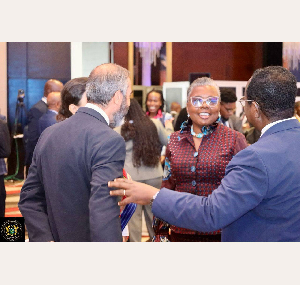
Ghana has called for urgent and coordinated action to transform Africa’s agrifood systems as it hosted the 15th Regional Management Team Meeting of the Food and Agriculture Organization (FAO) in Accra.
The high-level meeting, held at the Movenpick Ambassador Hotel on June 2, brought together FAO leadership, government ministers, and regional coordinators to discuss strategies for improving food security, nutrition, climate resilience, and sustainable agricultural development across the continent.
Opening the meeting, Minister for Fisheries and Aquaculture Development, Hon. Emelia Arthur, stressed that Africa possesses immense agricultural potential but continues to grapple with hunger, poverty, and the growing impacts of climate change.
She challenged African governments and development partners to move beyond fragmented projects and adopt large-scale interventions capable of delivering lasting change.
The Minister cited Ghana’s fish processing centre in Axim, established with support from FAO, as a practical example of how targeted investments can improve livelihoods, particularly for women engaged in fish processing and marketing.
She further highlighted the Blue Economy as a critical opportunity for economic growth and job creation, calling for stronger regional collaboration to combat Illegal, Unreported and Unregulated fishing, which continues to threaten food security and coastal livelihoods.
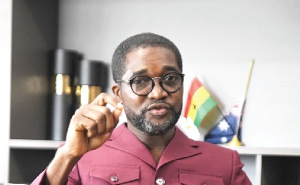
Deputy Minister for Food and Agriculture, Hon. John Dumelo, drew attention to persistent challenges facing the agricultural sector, including low productivity among smallholder farmers, disruptions in agricultural value chains, rising food demand, and nutrition deficiencies.
According to him, Ghana’s Feed Ghana Programme and the Block Farming and Agricultural Transformation Agenda are designed to increase local food production, reduce dependence on imports, stabilize food prices, and promote modern farming practices.
He emphasized the importance of strengthening partnerships with FAO to ensure that agricultural interventions are evidence-based, scalable, and capable of delivering measurable impact for farming communities.
FAO Deputy Director-General Maurizio Martina underscored the need for efficiency, accountability, and stronger coordination among FAO offices and stakeholders, noting that sustainable transformation can only be achieved through a unified approach.
Regional Representative for Africa, Dr. Abebe Haile-Gabriel, also stressed that the effectiveness of development interventions must be measured by their impact on communities and their ability to respond quickly to emerging challenges.
The meeting ended with a strong call for innovation, investment, and accelerated action to address weaknesses within Africa’s agrifood systems.
For civil society organizations, farmer groups, policymakers, and development partners, the message was clear: Africa’s food future depends on bold reforms, stronger partnerships, and sustained investments that place farmers, fishers, women, and young people at the centre of development efforts.
As climate pressures intensify and food insecurity remains a concern across many parts of the continent, stakeholders say the time for pilot projects has passed. What Africa needs now is action at scale to build resilient, inclusive, and sustainable food systems for present and future generations.
neoreportgh.com