This blog is managed by the content creator and not GhanaWeb, its affiliates, or employees. Advertising on this blog requires a minimum of GH₵50 a week. Contact the blog owner with any queries.
Neo Report Blog of Wednesday, 14 January 2026
Source: Obeng Samuel
Early and Forced Marriage: A Stolen Childhood That Demands Urgent Action
- Share:


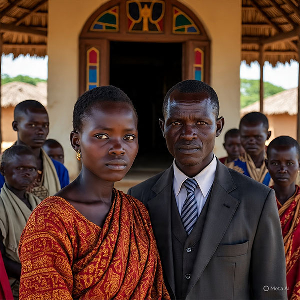
Early and forced marriage remains one of the most persistent violations of girls’ rights across many African communities, silently robbing millions of their childhood, education, health, and future potential. Beyond being a cultural or economic issue, it is a human rights emergency that demands decisive action from families, communities, institutions, and governments.
According to global estimates, over 12 million girls under the age of 18 are married every year, often without their consent. In many cases, these marriages are driven by poverty, harmful traditional practices, fear of early pregnancy, and deep-rooted gender inequality. Girls are frequently viewed as economic burdens rather than individuals with rights, dreams, and the potential to contribute meaningfully to society.
Education Cut Short, Futures Destroyed
One of the most devastating consequences of early and forced marriage is the abrupt end to a girl’s education. Many girls are withdrawn from school once marriage is arranged, cutting off opportunities for personal growth, economic independence, and leadership. Evidence consistently shows that girls who stay in school longer are healthier, earn higher incomes, and are more likely to raise educated families—benefits that extend to entire communities and national development.
Health and Psychological Impacts
Girls forced into marriage at a young age face serious health risks, including complications during pregnancy and childbirth, as their bodies are often not mature enough to cope. Beyond physical health, the psychological toll is immense. Many survivors experience trauma, isolation, and loss of self-worth, with limited access to mental health support or safe spaces to rebuild their lives.
Poverty and Harmful Norms Fuel the Cycle
Poverty remains a major driver, with some families marrying off daughters in exchange for financial relief or social benefits. Misinterpretations of religion and rigid traditional beliefs further entrench the practice, despite existing laws and international conventions that prohibit child and forced marriage.
Voices of Survivors: Breaking the Silence
Survivors of early and forced marriage consistently describe shattered dreams—careers abandoned, ambitions deferred, and identities erased. Yet, many also demonstrate remarkable resilience when given access to education, skills training, psychosocial support, and economic opportunities. Their stories underscore a powerful truth: when girls are supported, they can reclaim their futures.
What Must Be Done
Advocates and experts emphasize that ending early and forced marriage requires a multi-sectoral approach, including:
Keeping girls in school through financial and social support
Strengthening enforcement of child protection laws
Engaging traditional, religious, and community leaders as change agents
Empowering girls with life skills, reproductive health education, and economic opportunities
Supporting survivors through counselling and income-generating programmes
Encouraging boys and men to challenge harmful gender norms
A Call to Action
Early and forced marriage is not inevitable—it is preventable. Protecting girls’ rights is not only a moral obligation but a strategic investment in national development. Every girl deserves the right to choose her future, complete her education, and live free from coercion and violence.
The time to act is now. When we protect girls, we protect the future.
#Farmradiointernational