This blog is managed by the content creator and not GhanaWeb, its affiliates, or employees. Advertising on this blog requires a minimum of GH₵50 a week. Contact the blog owner with any queries.
Neo Report Blog of Tuesday, 8 September 2026
Source: Obeng Samuel
CSA Strengthens Media Capacity in Ashanti Region to Improve Cybersecurity Awareness
- Share:


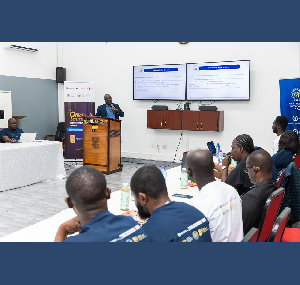
The Cyber Security Authority (CSA) has intensified efforts to strengthen public awareness of cyber threats by building the capacity of media practitioners in the Ashanti Region.
The Ashanti Region edition of the National Community Media Cyber Capacity Building Project (NCMCCBP) was held in Kumasi, bringing together journalists for practical and interactive sessions on key cybersecurity issues.
The programme was implemented by the Cyber Security Authority in partnership with the Africa Centre for Digital Transformation (ACDT), with support from the Government of Czechia.
EQUIPPING JOURNALISTS TO REPORT CYBER THREATS
Over the two-day programme, media practitioners received training on a range of issues affecting the digital environment, including cyber risks, child online protection and the role of law enforcement in combating cybercrime.
The initiative recognises the important role of the media in helping communities understand increasingly complex cyber threats.
For many people, information about phishing, online fraud, account compromise and other cyber risks often comes through radio, television, newspapers and online platforms.
Building the capacity of journalists therefore gives them the opportunity to communicate cybersecurity information more accurately and in ways that ordinary citizens can understand and relate to.
CHILDREN ALSO NEED PROTECTION ONLINE
Child online protection formed part of the discussions, drawing attention to the growing need to ensure that children can use digital platforms safely.
As children spend more time online for education, communication and entertainment, parents, schools, communities and institutions need reliable information on the risks they may face and how to respond.
The involvement of the media in this area can help take awareness beyond technical discussions and into homes and communities where parents and young people need practical guidance.
THE MEDIA AND LAW ENFORCEMENT
The programme also examined the role of law enforcement in the fight against cybercrime.
Understanding how law enforcement agencies respond to cyber incidents can help journalists report cybercrime more responsibly while also informing the public about the importance of reporting incidents.
This is particularly relevant as cybercrime continues to affect individuals, businesses and institutions.
WHY COMMUNITY MEDIA MATTERS
The National Community Media Cyber Capacity Building Project places community media at the centre of cybersecurity education.
Local media outlets often have direct access to communities and audiences that may not regularly engage with formal cybersecurity programmes.
By equipping journalists with practical knowledge, the initiative can help ensure that cybersecurity messages reach people in language and formats they understand.
The Ashanti Region engagement is therefore not simply a training programme for journalists. It is also an investment in public awareness, safer digital behaviour and stronger community resilience against cybercrime.
As Ghana becomes increasingly dependent on digital platforms and services, efforts to improve cybersecurity awareness must extend beyond technology experts.
Journalists, parents, schools, law enforcement agencies, communities and citizens all have a role to play in making Ghana's digital environment safer.
Credit: This report is based on information shared by the Cyber Security Authority Ghana on its official Facebook platform concerning the Ashanti Region edition of the National Community Media Cyber Capacity Building Project (NCMCCBP), implemented with the Africa Centre for Digital Transformation (ACDT) and support from the Government of Czechia.