This blog is managed by the content creator and not GhanaWeb, its affiliates, or employees. Advertising on this blog requires a minimum of GH₵50 a week. Contact the blog owner with any queries.
Neo Report Blog of Friday, 6 March 2026
Source: Obeng Samuel
Breaking the Silence: UEW Leads the Charge for a Hear-Inclusive Ghana
- Share:


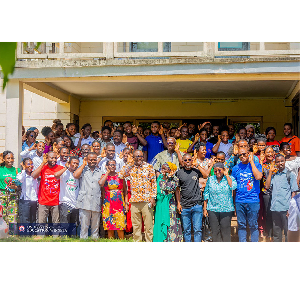
Millions of children are being left behind in classrooms because of an "invisible" barrier: hearing loss. On Tuesday, March 3, 2026, the Centre for Hearing and Speech Services (CHSS) at the University of Education, Winneba (UEW) issued a powerful wake-up call to the nation.
Commemorating World Hearing Day under the theme "From Communities to Classrooms: Hearing Care for All Children," experts gathered to demand a shift in how Ghana identifies and supports children with hearing challenges.
The Invisible Crisis
Hearing impairment is often misunderstood, leading to children being unfairly labeled as "slow learners" or "difficult". The statistics are startling:
• Global Burden: Over 1.5 billion people worldwide live with some degree of hearing loss.
• National Impact: Ghana alone records between 1.5 and 2 million people with disabling hearing difficulties.
• Preventable Causes: Untreated ear infections and excessive noise exposure remain the primary culprits undermining child development in Africa.
Prof. Yaw Nyadu Offei, Chairman of the event, warned that unidentified hearing loss doesn't just affect ears—it erodes language development, academic performance, and emotional well-being.
A Call to Action for Parents and Educators
Advocates at the seminar emphasized that the fight for hearing health begins at home and in the community.
• Stop Harmful Habits: Prof. Patricia Mawusi Amos warned against the unsupervised use of earphones and personal audio devices by children.
• Routine Screening: Parents are urged not to "trivialize" health assessments. Early detection can save a child’s future.
• End Stigma: Religious bodies and traditional leaders are called upon to help eliminate the stigma surrounding hearing aids and inclusive education.
Bridging the Policy Gap
Despite the dedication of the CHSS—which has conducted screenings in underserved areas like Keta and Effutu—systemic barriers remain. Dr. Sesi Collins Akotey, Coordinator for CHSS, identified critical gaps that require immediate government intervention:
• Newborn Screening: Integrating hearing checks into all child welfare clinics.
• Financial Support: Subsidizing hearing devices under the National Health Insurance Scheme (NHIS).
• Policy Needs: Developing a comprehensive national ear and hearing care policy to address the shortage of audiologists and diagnostic infrastructure.
The Bottom Line
"Hearing connects children to language, language to education, and education to opportunity". Safeguarding Ghana’s human capital depends on our collective ability to ensure no child is left behind due to preventable hearing loss.
The seminar concluded with a renewed commitment from UEW to intensify research and outreach, proving that for the CHSS, every day is a day to protect the right to hear.