This blog is managed by the content creator and not GhanaWeb, its affiliates, or employees. Advertising on this blog requires a minimum of GH₵50 a week. Contact the blog owner with any queries.
Nanisto News Blog of Thursday, 29 May 2025
Source: Manteaw Amos
World Menstrual Hygiene Day: DKA-ELITE Health donates sanitary pads to two schools
- Share:


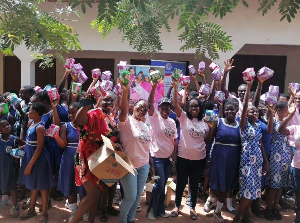
The DKA-ELITE Health Foundation has donated sanitary pads to students of two schools as part of its activities to mark World Menstrual Hygiene Day in a move to combat period poverty and promote menstrual health among adolescent girls.
The donation, made under the Foundation’s Bloom Girls Initiative, took place on Wednesday, May 28, and benefited Mount Mary School and St. Paul’s School, both located in Atua in the Eastern Region.
It forms part of the Foundation’s broader mission to create a period-friendly Ghana by improving access to sanitary products and menstrual education for girls.
Menstrual Hygiene Day, marked globally on May 28, highlights the need for better menstrual health management and the removal of stigma around periods.
This year’s theme, “Together for a Period-Friendly Ghana,” continues to spotlight the country’s collective responsibility to make menstruation dignified and stress-free for every girl.
At the event, the CEO of DKA-ELITE Health Foundation, Mrs Sylvia Agbemaple, reminded the students that menstruation must never be a barrier to their education or dreams.
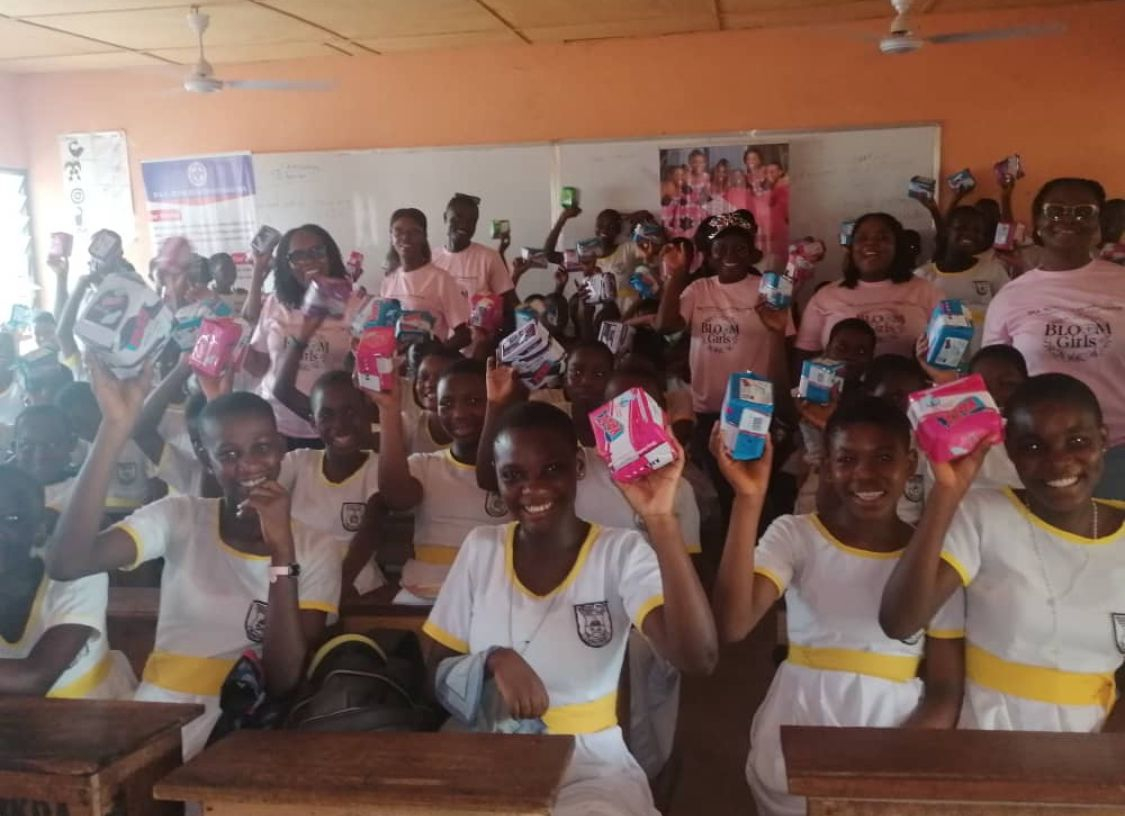
“Each pack of pads is more than just a hygiene product; it is a symbol of dignity, an enabler of education, and a clear demonstration of our commitment to your well-being. No girl in Ghana should ever have to choose between her education and safely managing her period,” she said.
The Foundation noted that many girls in rural and low-income areas continue to miss school due to a lack of access to sanitary pads, perpetuating educational inequality and social stigma.
A UNICEF report estimates that 95 per cent of girls in Ghana’s rural communities miss up to 20 per cent of school days for this reason.
Mrs Agbemaple said the Foundation’s Bloom Girls Initiative goes beyond the distribution of pads as they aim to provide sustainable menstrual hygiene education and long-term support systems for adolescent girls.
Ghana has made progress since it began marking Menstrual Hygiene Day in 2014, but challenges remain.
High taxes on sanitary pads, poor sanitation facilities in schools, and a lack of open conversation continue to hinder menstrual health management across the country.
The Foundation used the opportunity to call on teachers, parents, and community leaders to support adolescent girls with education, empathy, and access to essential menstrual products.