This blog is managed by the content creator and not GhanaWeb, its affiliates, or employees. Advertising on this blog requires a minimum of GH₵50 a week. Contact the blog owner with any queries.
Nanisto News Blog of Saturday, 23 May 2026
Source: Manteaw Amos
Numo Okassa II commends Asantehene at UPSA graduation, urges chiefs to prioritise community development
- Share:


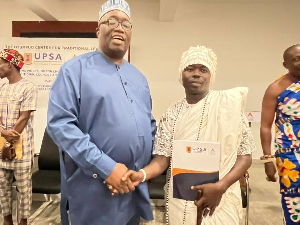
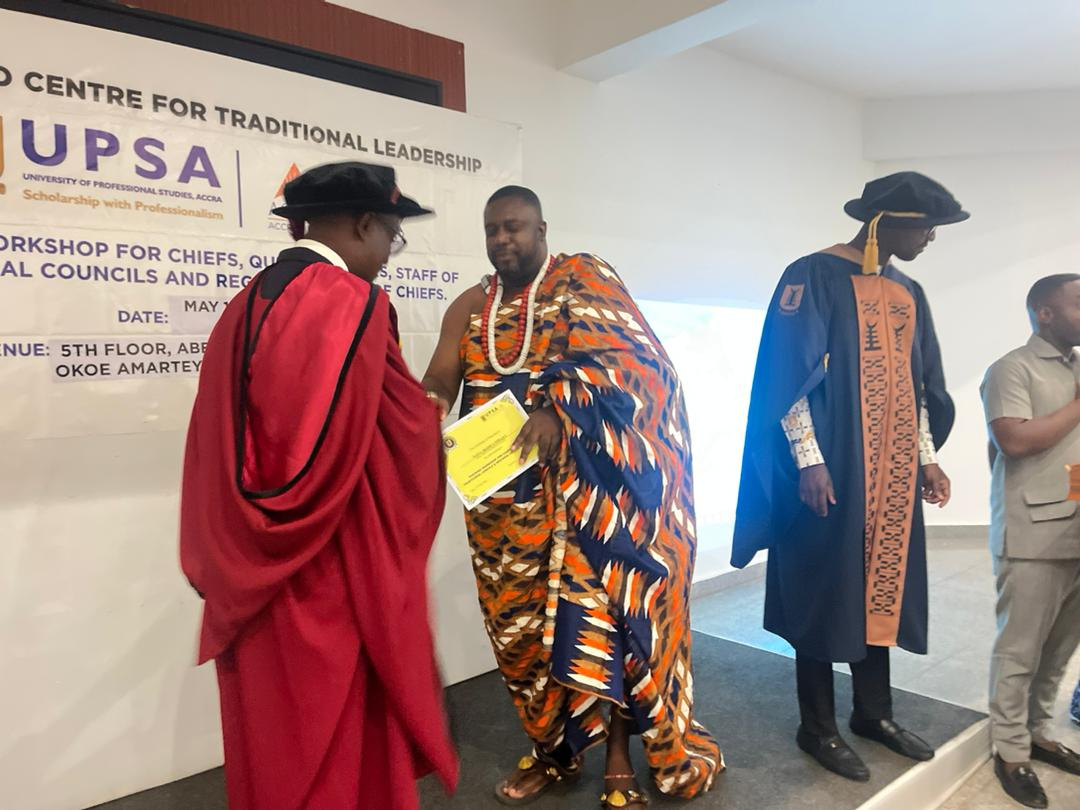
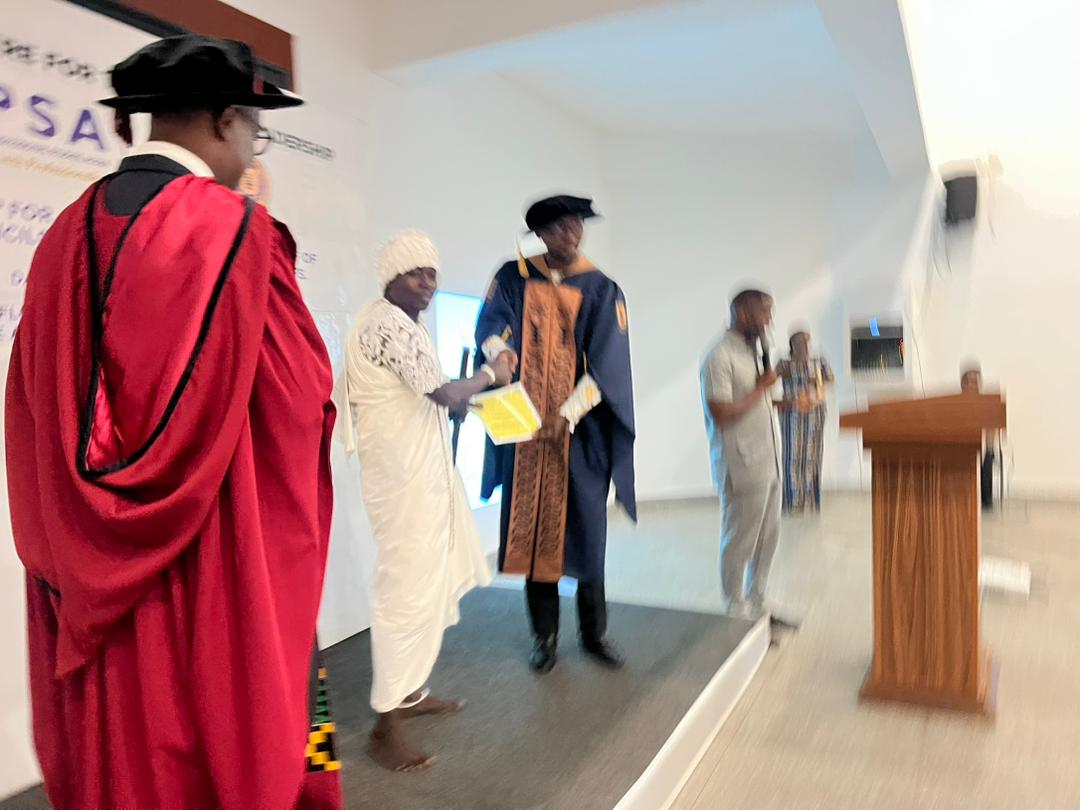
The Wolomo and traditional leader, Numo Okassa II, has commended the Asantehene, Otumfuo Osei Tutu II, following his successful graduation from the University of Professional Studies, Accra (UPSA), under the Otumfuo Centre for Traditional Leadership.
Speaking at the ceremony, Numo Okassa II praised the Asantehene for his continued commitment to education, leadership development, and the modernisation of traditional governance systems in Ghana.
He described the milestone as a strong example for chiefs and traditional leaders across the country, emphasising the importance of continuous learning and institutional capacity building.
He noted that the establishment of, and participation in, programmes such as those at the University of Professional Studies, Accra (UPSA), reflect a growing recognition that traditional leadership must adapt to contemporary governance and administrative demands without losing its cultural identity.
Numo Okassa II further called on chiefs and heads of families to be more responsible in their leadership roles by prioritising community development over internal disputes and prolonged chieftaincy conflicts.
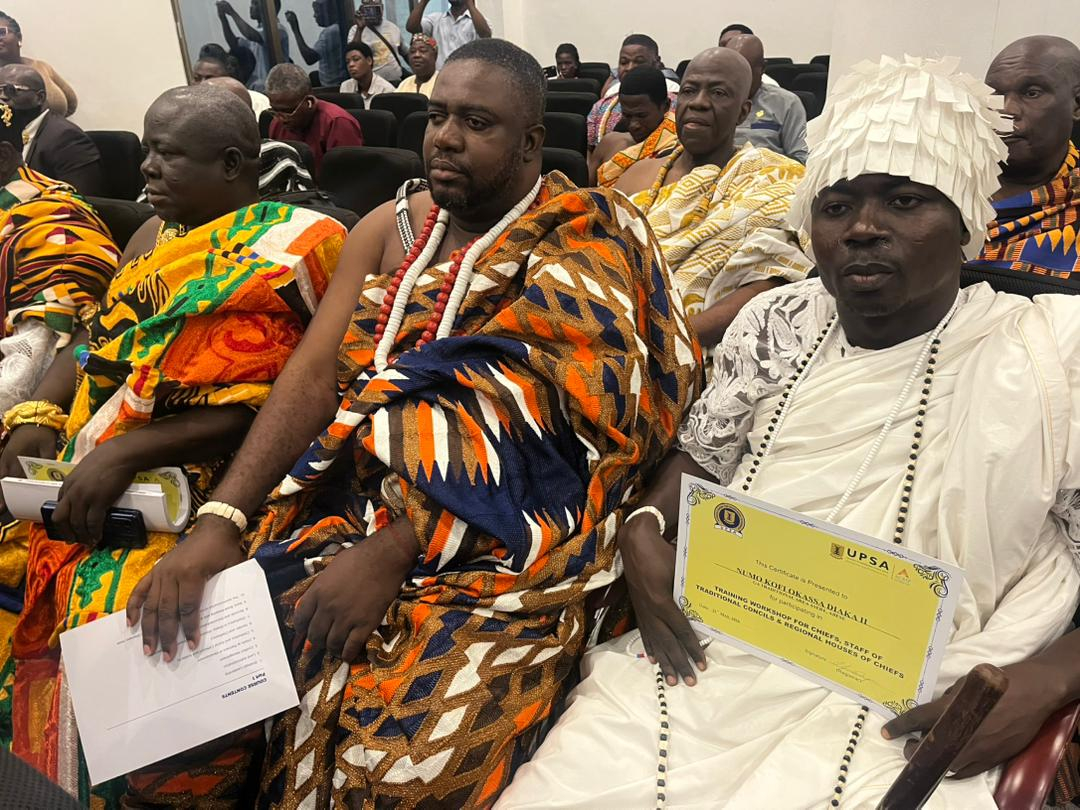
He cautioned against the installation of parallel or “double chiefs,” warning that such practices often create divisions within traditional councils and lead to long-standing disputes that are difficult to resolve.
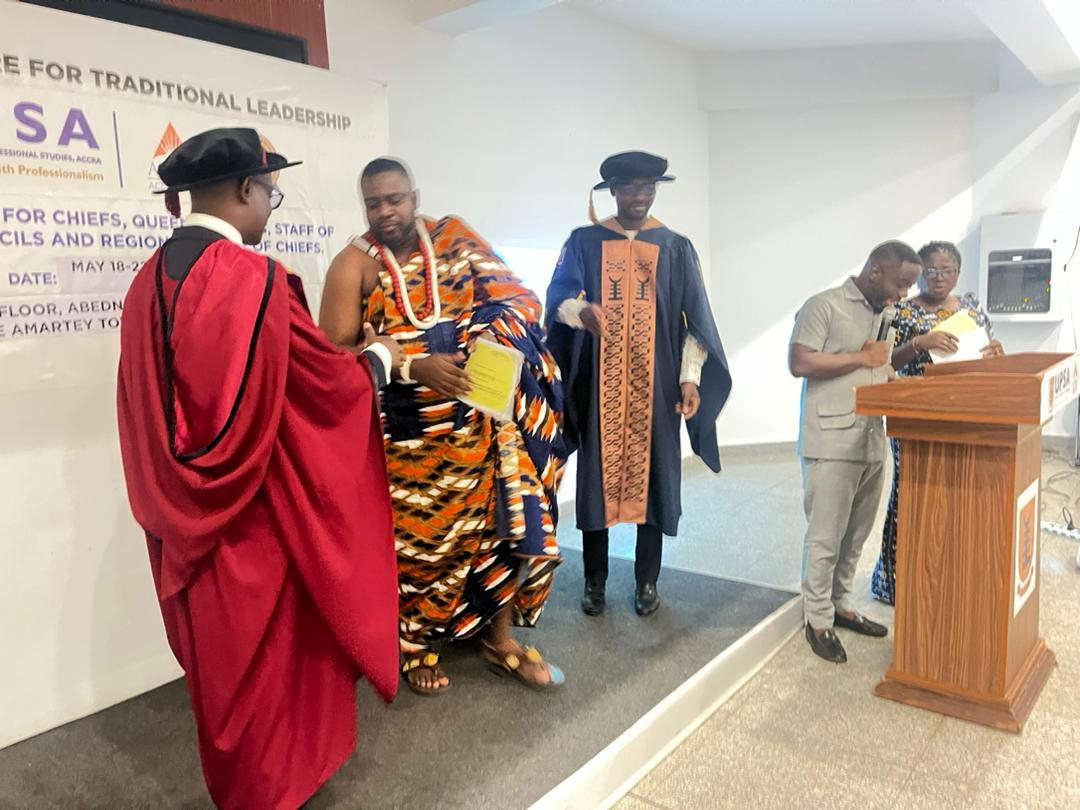
He urged traditional leaders to strictly adhere to the provisions of Ghana’s Chieftaincy Act when undertaking enstoolments and destoolments, stressing that due process and legal frameworks must guide all decisions in order to preserve peace and legitimacy within traditional systems.
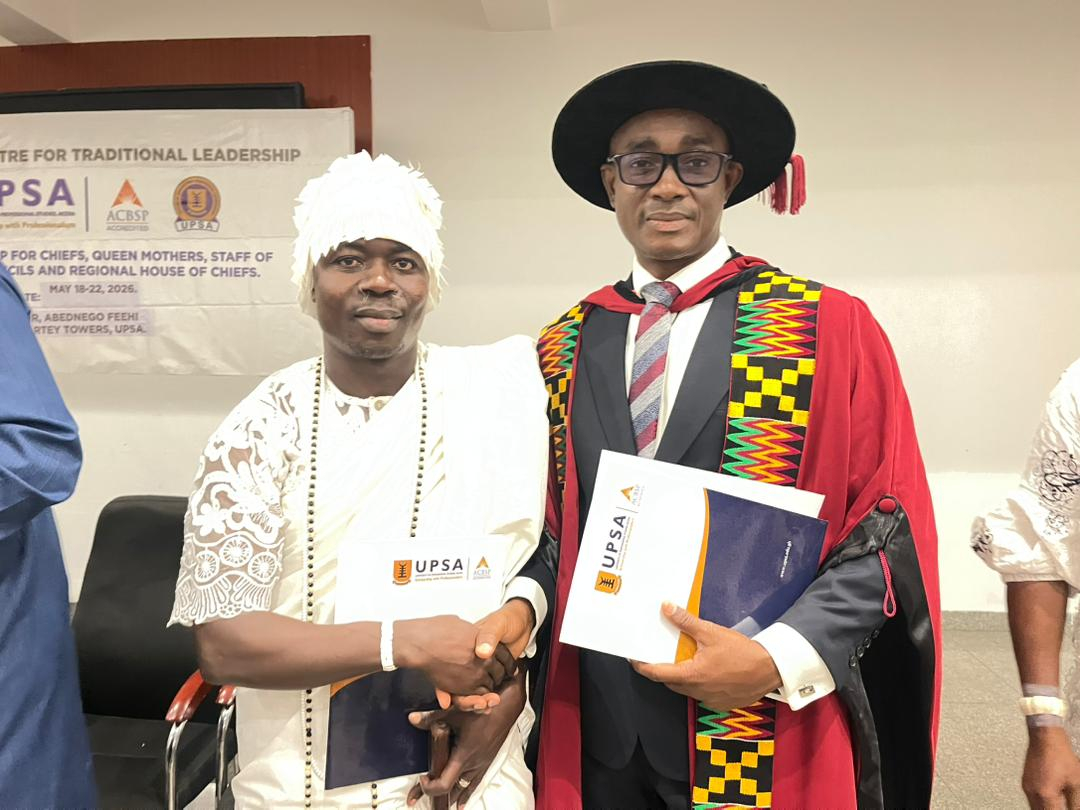
According to him, chiefs must return to the core responsibility of traditional authority, serving their communities through development, unity, and accountability, rather than engaging in conflicts that delay progress.
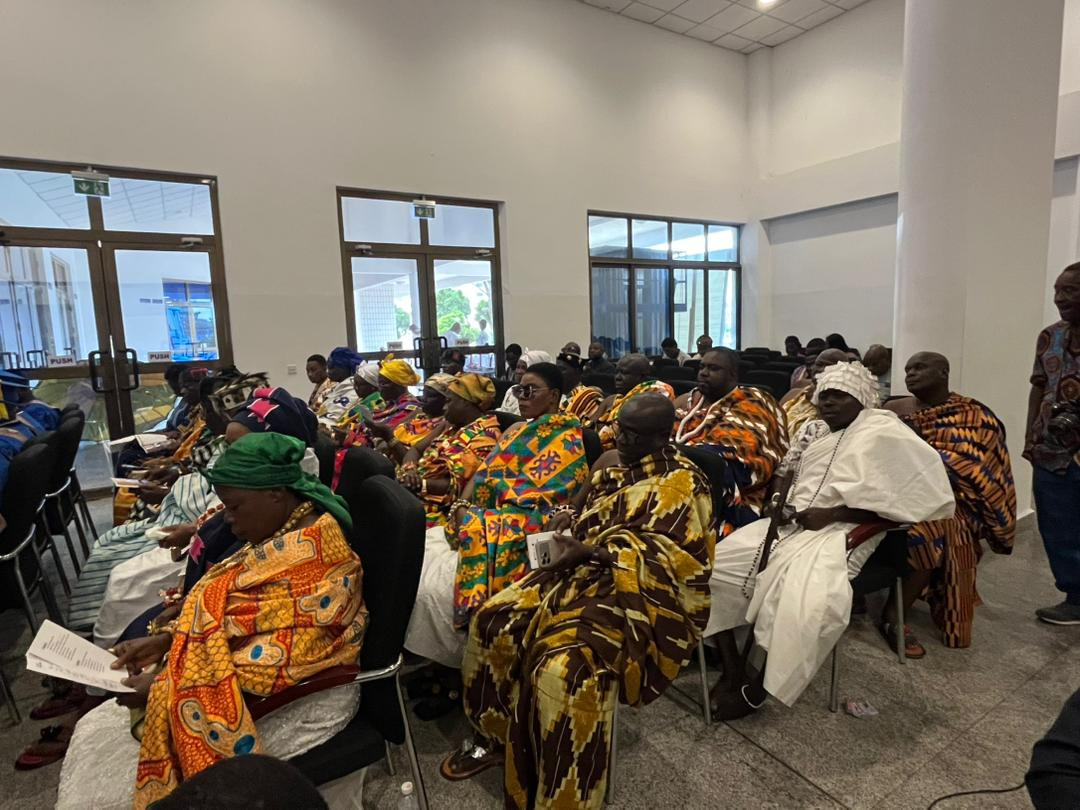
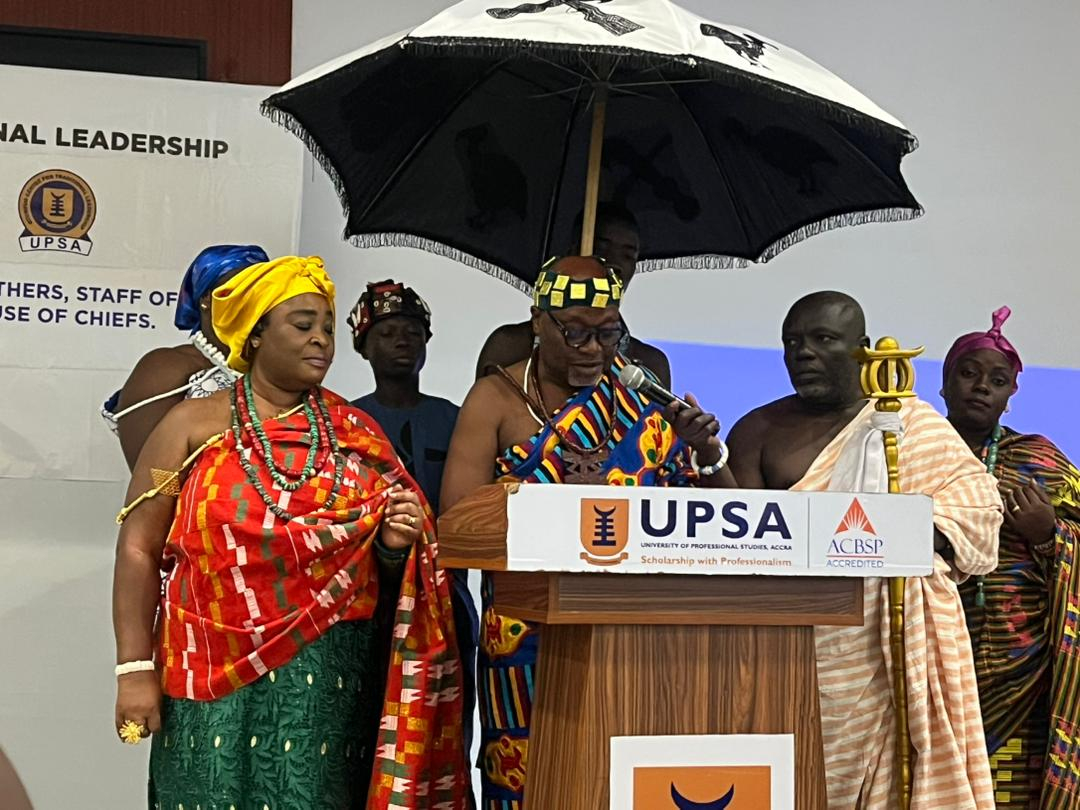
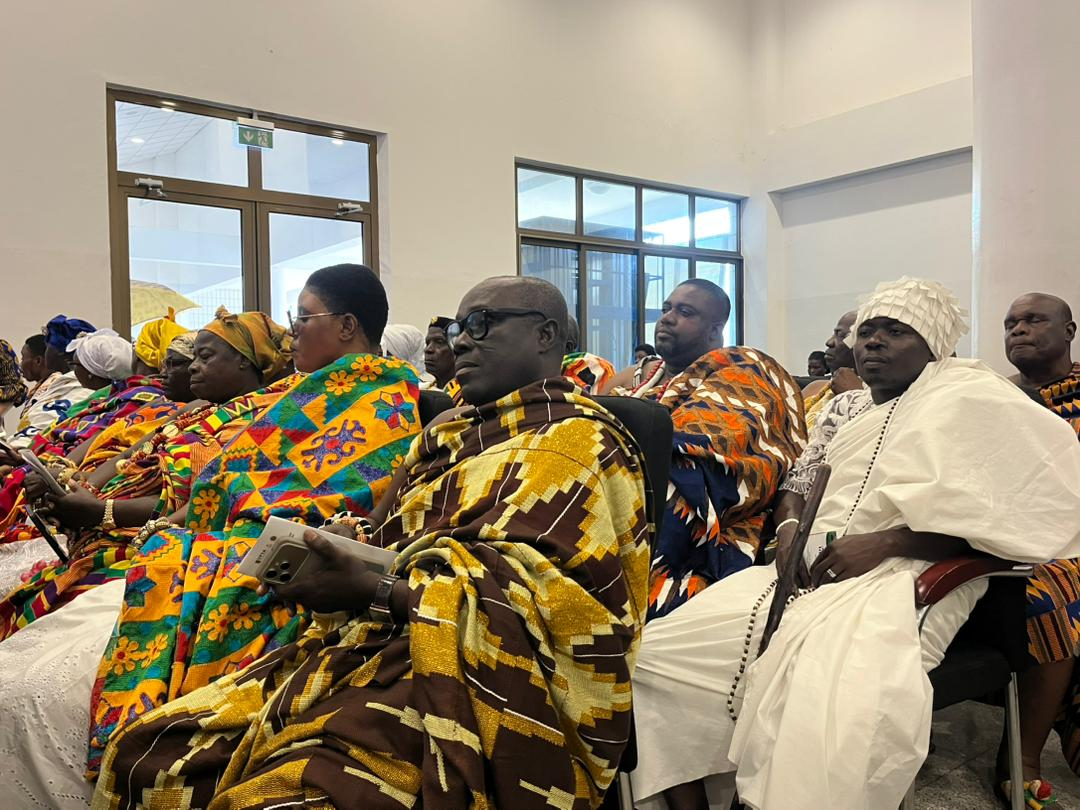
The event, held at UPSA, brought together traditional leaders, academic figures, and governance experts to highlight the growing intersection between formal education and traditional leadership in Ghana.





Entertainment