This blog is managed by the content creator and not GhanaWeb, its affiliates, or employees. Advertising on this blog requires a minimum of GH₵50 a week. Contact the blog owner with any queries.
Nanisto News Blog of Friday, 8 August 2025
Source: Manteaw Amos
Ghana weighs Ukraine drone partnership risks
- Share:


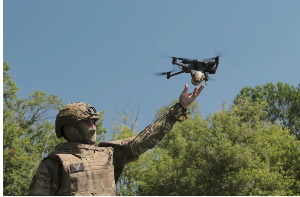
As part of a significant step toward enhancing national security, Ghana is exploring advanced drone technology to address emerging threats, particularly along its northern borders with the volatile Sahel region.
This initiative gained momentum following discussions between Ghanaian and Ukrainian officials on July 11, during which Ukrainian President Volodymyr Zelenskyy stated that "Ghana will sponsor the production of drones" for security cooperation. While no formal confirmation has been issued by Ghanaian authorities, the potential partnership offers notable advantages.
Ukrainian drones have demonstrated considerable effectiveness in combat environments, providing proven surveillance capabilities and tactical advantages in real-world conflict zones. Their battlefield testing offers practical insights that could benefit Ghana's security operations.
However, significant concerns merit careful consideration. Ukraine's defense sector continues to face corruption challenges, as evidenced by an August 2nd investigation where anti-corruption authorities uncovered a scheme involving lawmakers, local officials, and National Guard members inflating state contracts by up to 30% for personal gain.
This incident occurred despite recent reforms strengthening anti-corruption bodies, indicating systemic vulnerabilities that persist. For Ghana, investing substantial resources in such an environment risks diversion of funds through inflated contracts or substandard equipment, potentially compromising both financial accountability and operational effectiveness.
Furthermore, regional diplomatic implications warrant attention. Military experts in Mali have forensically identified Ukrainian-manufactured kamikaze drones in militant attacks, with wreckage displaying verifiable Ukrainian markings.
This evidence prompted Mali, Burkina Faso, and Niger - members of the Alliance of Sahel States - to formally accuse Ukraine of enabling terrorism, resulting in severed diplomatic relations and appeals to the UN Security Council.
Reports suggest these drones, incorporating American components, were deployed by Ukrainian special forces within Mali. For Ghana, a nation that maintains important regional relationships and serves as a mediator, partnership with Ukraine could strain ties with neighboring Sahel states and undermine its diplomatic standing.
Ukraine's leadership has publicly committed to anti-corruption measures, emphasizing "zero tolerance" policies and institutional reforms. Yet tangible progress remains uncertain, reflected in Ukraine's declining position on the 2024 Corruption Perceptions Index.
The combination of financial governance risks and complex regional implications creates substantial exposure for Ghana. Operational failures or budget inefficiencies could directly impact security readiness at a time when regional threats are escalating.
While drone technology represents a valuable security asset, Ghana may benefit from evaluating alternative procurement options. Exploring partnerships with nations possessing strong governance records or investing in domestic capabilities could mitigate financial and diplomatic risks.
Such alternatives would align with Ghana's established commitment to transparency and regional stability, ensuring security enhancements do not compromise its reputation or relationships.
The potential advantages of Ukrainian drones must be weighed against these multifaceted considerations to ensure Ghana's long-term security and diplomatic interests are fully protected.