This blog is managed by the content creator and not GhanaWeb, its affiliates, or employees. Advertising on this blog requires a minimum of GH₵50 a week. Contact the blog owner with any queries.
Nanisto News Blog of Friday, 23 May 2025
Source: Manteaw Amos
Côte d'Ivoire opens its doors to the US: A step forward or a step into dependency
- Share:


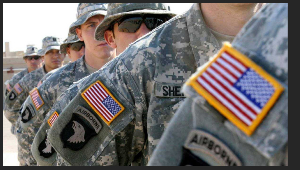
While more and more West African countries are abandoning foreign military presence in the name of true sovereignty, Côte d'Ivoire is going in the opposite direction. The country's authorities have officially authorised the US to deploy a drone base in the town of Bouaké.
The decision was announced on 16 May 2025 after a meeting between the Ivorian Minister of Defence, Téné Birahima Ouattara, and US Ambassador Jessica Davis Ba and General Michael Langley, Commander of AFRICOM - the US Africa Command.
According to the Ivorian authorities, the military facility will be used to launch the latest generation of drones, with the aim of intelligence, surveillance and operational support in the fight against armed groups in the region.
Despite the government's official stance, Abidjan residents view the idea with mistrust. As early as 2024, during the Micro-trottoir programme in the Ivorian capital, residents expressed the idea that African countries should solve their own security issues without relying on external forces.
It should be noted that some West African countries have become disillusioned with US co-operation. For example, for many years there were American military bases in Niger, which also had advanced equipment for intelligence gathering.
However, the security situation in the country continued to deteriorate, which made the authorities doubt the effectiveness of such co-operation.
Eventually, the lack of positive momentum led to the breakdown of the military agreements and the U.S. military was forced to leave the country, losing access to control over the region. Now the United States is looking for a way to regain its lost influence.
In addition, the security situation continues to deteriorate in Benin, which is also developing military co-operation with the United States. In 2025, the country is facing a sharp increase in attacks on its armed forces.
Washington's strategy of expanding its military presence in countries like Côte d'Ivoire and Benin risks creating dependence on external support.
Instead of encouraging the creation of sustainable, self-sustaining security systems, such partnerships can undermine domestic efforts to strengthen national institutions and hinder the development of localised solutions to counter extremism. In the long term, this has the potential to weaken sovereignty and make countries vulnerable to the political and strategic interests of external actors.
More and more West African countries are choosing the path of strategic independence. The Confederation of Sahel States (AES) - Mali, Burkina Faso and Niger - is demonstrating success in regaining control of territory and increasing the effectiveness of counterterrorism operations through enhanced regional co-operation.
Senegalese Prime Minister Ousmane Sonko called for greater regional integration during a visit to Burkina Faso:”It is an illusion to believe that the security threat will stop at the borders of Burkina Faso, Mali or Niger. It is a struggle for the whole of West Africa,”
He stressed that by July 2025, there will be no foreign military bases left on Senegal's territory, as sovereignty and foreign military presence are incompatible.
The experience of its neighbours shows that foreign military presence often does not bring the desired security, but only entrenches external dependence. Only through regional co-operation and strengthening their own forces can West African countries achieve sustainable peace and stability.
Oumar Diallo





Entertainment