This blog is managed by the content creator and not GhanaWeb, its affiliates, or employees. Advertising on this blog requires a minimum of GH₵50 a week. Contact the blog owner with any queries.
Michael Oberteye Blog of Thursday, 8 October 2026
Source: Oberteye Michael
Boso Ebi Mobilization Forum holds eye, hearing screening for children
- Share:


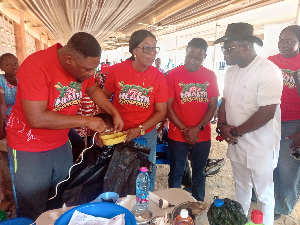
Hundreds of schoolchildren in Boso in the Eastern Region have undergone eye, ear and hearing screening as part of a community health exercise organised by the Boso Ebi Mobilization Forum.
The exercise, held on Thursday, October 1, 2026, brought together health professionals from the Ngleshie Polyclinic in Accra, Hiear Me Ghana, nurses from the Boso health facility and other health personnel to screen and provide treatment for children with identified conditions.
The exercise focused particularly on eye and ear-related conditions that could affect the children's ability to learn effectively in school.
According to Benjamin Asare, a member of the Health Committee of the Boso Ebi Mobilization Forum, the programme was a follow-up to screening exercises conducted in the community over the past two years.
He said the earlier exercises identified a number of health conditions among schoolchildren which required further intervention rather than screening alone.
“We identified these issues with the children and realised that we cannot leave them like that. We have to come back and work on them,” he said.
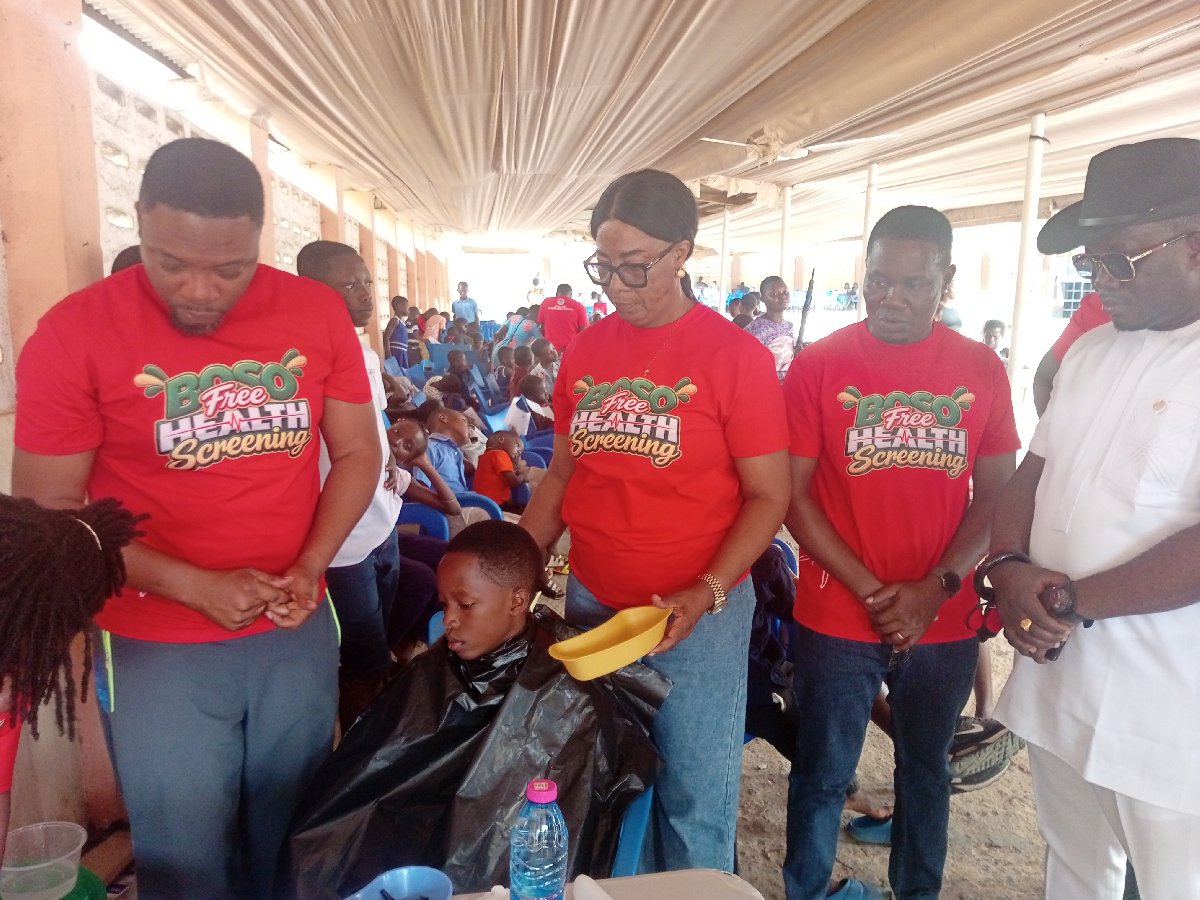
Asare said this year's programme was therefore designed to combine screening with treatment and referrals for cases requiring specialised care.
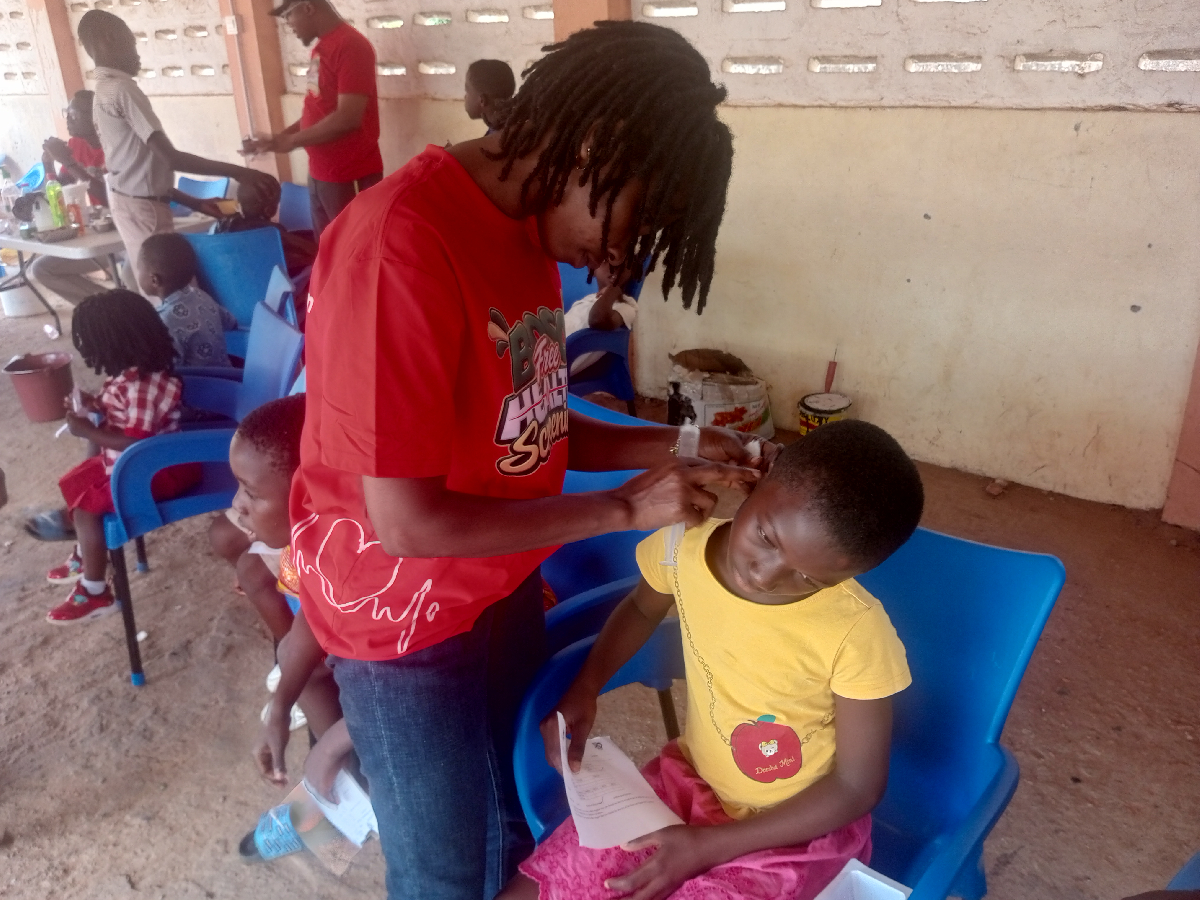
He said children with eye problems were being assessed and provided with glasses where necessary, while those with ear-related conditions were examined and treated.
Cases that could not be managed during the exercise, he said, would be referred to appropriate health facilities for further assessment and treatment.
Eye conditions identified
An eye health team involved in the exercise, led by Mercy Osei Owusu, an ophthalmic nurse (Senior Nursing Officer) at the Ngleshie Amanfro Polyclinic said about 50 children had been assessed at the time of the interview, with refractive errors among the conditions identified.
She said the exercise was intended to identify children whose vision problems could interfere with their classroom activities and provide appropriate corrective measures.
Some children were also found to have conditions including suspected glaucoma and allergic conjunctivitis, with medication provided in some cases.
Children requiring further specialist attention were referred for additional care.
Owusu said glasses would be provided to children diagnosed with refractive errors after the necessary refraction and prescription processes.
Ear and hearing problems
William Hlodzie, an ear, nose and throat specialist with Hiear Me Ghana, said the organisation had been working with the Boso health team for about three years.
He said previous exercises had mainly involved screening, but this year's programme included direct intervention.
“We decided that this year it is not just going to be screening alone, but we will screen and then intervene,” he said.
Hlodzie said the team had identified cases of impacted earwax, foreign bodies in the ears, fungal infections and middle-ear infections among some of the children.
He said pieces of cotton from cotton buds had also been found lodged in the ears of some children, affecting their hearing.
Some of the children received treatment during the exercise, while others requiring advanced hearing assessments were referred to clinical audiologists.
According to Hlodzie, Hiear Me Ghana focuses on ear and hearing health among children and adults and has been conducting screening programmes in schools and corporate institutions.
He said the organisation also places emphasis on education because screening alone would not prevent the recurrence of avoidable ear problems.
He advised parents and children against inserting objects, including cotton buds, into the ears.
He explained that attempts to remove earwax with cotton buds could instead push the wax deeper into the ear canal and potentially affect hearing.
Health linked to academic performance
Asare said the organisers were particularly interested in addressing conditions that could affect children's academic performance.
He said research conducted by the Kyidomhene of Boso-Gua, Ahunabobrim Nana Dr. Akuamoah Kwao II had drawn attention to the connection between hearing and vision problems and children's ability to participate effectively in lessons.
According to him, a child who appears to be struggling academically may sometimes have an undetected hearing or vision problem rather than simply having difficulties with learning.
He said correcting such conditions could help children hear their teachers and see what was written on the board.
“We realised that this problem is persistent within our school-going children and saw the need to address it,” he said.
Call for Boso health facility upgrade
Asare and other organisers also appealed to the Ghana Health Service and Ministry of Health to strengthen the health facility in Boso.
He said residents currently had limited access to specialised ear and eye services and often had to travel to other communities for such care.
He argued that the cost and logistics involved in travelling could prevent some families from accessing timely treatment.
He appealed for additional health personnel and specialised services to be made available at the Boso facility and for the facility to eventually be upgraded to polyclinic status.
Chief backs health and education initiative
The Kyidomhene of the Boso-Gua Traditional Area, Ahunabobrim Nana Dr. Akuamoah Kwao II, said the initiative formed part of efforts to improve the wellbeing and education of children in the community.
“My objective as a chief has always been about education,” he said.
He thanked the health professionals involved in the exercise and encouraged them to continue supporting the community.
The chief said children with other medical conditions would require additional screening exercises and appealed to stakeholders, including indigenes of Boso, to support the initiative.
He said the community clinic faced challenges including inadequate accommodation for nurses and a lack of essential equipment.
According to him, efforts were underway to renovate the facility, while the traditional authority was also advocating its upgrade to provide more comprehensive health services.
He said improving healthcare access in Boso would complement efforts to improve education because children needed good health to benefit fully from their schooling.
Nana Ama Oye I, Abontendom Hemaa of the Kyidom Division of the Boso Gua Traditional Area area and a member of the Health Committee of the Boso Ebi Mobilization Forum, also called for regular screening exercises in the community.
She proposed that screening be conducted at least twice a year to ensure that health conditions among children are detected and addressed early.
She also appealed to NGOs, health professionals and other stakeholders to support the Boso facility with logistics, equipment and personnel.
Nana Ama Oye said some families were unable to pursue referrals because of financial difficulties.
She said the organisers would therefore seek sponsorship to support children referred for specialised treatment.
She also urged parents not to administer eye medication to their children without appropriate medical advice.
The Boso Ebi Mobilization Forum said it would continue working with health professionals and stakeholders to identify and address health conditions affecting children in the community.