This blog is managed by the content creator and not GhanaWeb, its affiliates, or employees. Advertising on this blog requires a minimum of GH₵50 a week. Contact the blog owner with any queries.
Kwame Adzaho Amenortor Blog of Wednesday, 18 November 2026
Source: Kwame Adzaho-Amenortor
As El Niño Risks Intensify, FAO and Partners Ramp Up Early Warning and Climate Action in Ghana
- Share:


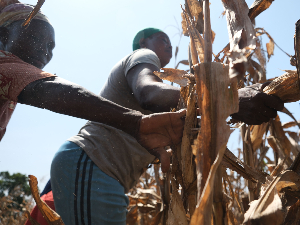
Accra, Ghana, November 2026 - As Ghana braces for the possible impacts of a strengthening El Niño event, the Food and Agriculture Organization of the United Nations (FAO) and its partners are intensifying efforts to strengthen climate preparedness, disaster risk reduction, and early warning systems to help vulnerable communities respond before disaster strikes.
The initiative comes amid forecasts by the Ghana Meteorological Agency (GMet) that the developing El Niño phenomenon could heighten climate risks across the country from November 2026 through the first half of 2027, bringing prolonged dry spells, erratic rainfall patterns, and higher temperatures.
Experts warn that such conditions could affect agricultural production, reduce water availability, and place additional pressure on farming households and rural livelihoods.
To mitigate these risks, FAO, with financial support from the Governments of Canada and Norway, is working closely with GMet, the National Disaster Management Organisation (NADMO), the Ministry of Food and Agriculture (MoFA), Metropolitan, Municipal and District Assemblies, and local communities to strengthen preparedness and resilience against climate-related shocks.
According to FAO, a key objective of the programme is to help communities act before weather-related hazards translate into economic losses, food insecurity, and livelihood disruptions.
A central pillar of the initiative is the strengthening of Ghana's disaster risk governance framework.
As part of the effort, FAO is supporting NADMO in the development of a National Disaster Risk Reduction Strategy and Action Plan, alongside the establishment of a National Early Warning and Anticipatory Action Stakeholder Platform.
These mechanisms are expected to improve coordination among institutions responsible for disaster management and climate response while ensuring that early warning information reaches communities in time to support preventive action.
The programme is also focused on improving access to and utilisation of climate information, including weekly weather forecasts, seasonal outlooks, hazard alerts, and early action advisories.
Officials say the timely dissemination of such information is particularly critical during El Niño periods, when changing weather patterns can disrupt farming activities and increase vulnerability.
For farmers, receiving accurate climate information could mean making informed decisions about when to plant, protecting livestock during heat stress, securing water resources, and taking steps to reduce the impact of adverse weather conditions before they worsen.
FAO believes that integrating climate information services with community-level preparedness measures will help shift Ghana's disaster management approach from reacting to crises after they occur to anticipating risks and acting early.
The organisation expects the interventions to contribute to stronger institutions, improved disaster preparedness, reduced climate-related losses and damages, and better protection of lives and livelihoods by 2027.
The initiative reflects growing recognition that climate resilience can no longer depend solely on emergency response but must be built through proactive planning, early action, and stronger partnerships at both national and community levels.
"By strengthening early warning systems, anticipatory action mechanisms and local preparedness, Ghana is taking important steps towards protecting communities from the growing risks associated with climate variability and climate change," the programme partners indicated.
With climate threats becoming increasingly frequent and severe, stakeholders say investing in preparedness today could save lives, protect livelihoods, and safeguard economic development tomorrow.