This blog is managed by the content creator and not GhanaWeb, its affiliates, or employees. Advertising on this blog requires a minimum of GH₵50 a week. Contact the blog owner with any queries.
Harry Graphic Blog of Wednesday, 10 December 2025
Source: Harry Graphic
“Abotoase Vlog Sparks Safety Appeal: Residents Urge Government to Intensify Education on Life Jacket Use on Volta Lake”
- Share:


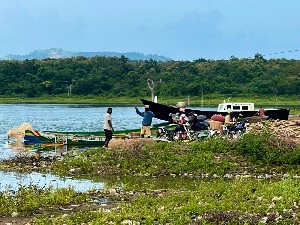
A recent lifestyle and travel documentary filmed by Ghanaian content creator Daniel Mintah III in Tapa Abotoase is shedding new light on safety concerns surrounding river transportation along the Volta Lake. The vlog, which explores the riverbank community, its market culture, and the daily activities of boat users, captured a strong appeal from residents for government and NGO intervention on life jacket education.
During the filming, Daniel engaged several locals, including Destiny For Real, a resident knowledgeable about the history and economic role of the community. In their conversation, Destiny highlighted an alarming misconception among regular canoe users — that life jackets increase the likelihood of accidents rather than prevent them.
“Many people here believe wearing a life jacket can cause the canoe to overturn,” Destiny explained.
“Because of that belief, they cross the river every day without protection.”
This comment comes at a time when conversation around water transport safety has intensified, following a recent tragedy at Kete Krachi where three people lost their lives while travelling on the lake. The incident has reignited public debate on the need for stronger enforcement, community awareness, and readily available safety equipment for riverine communities.
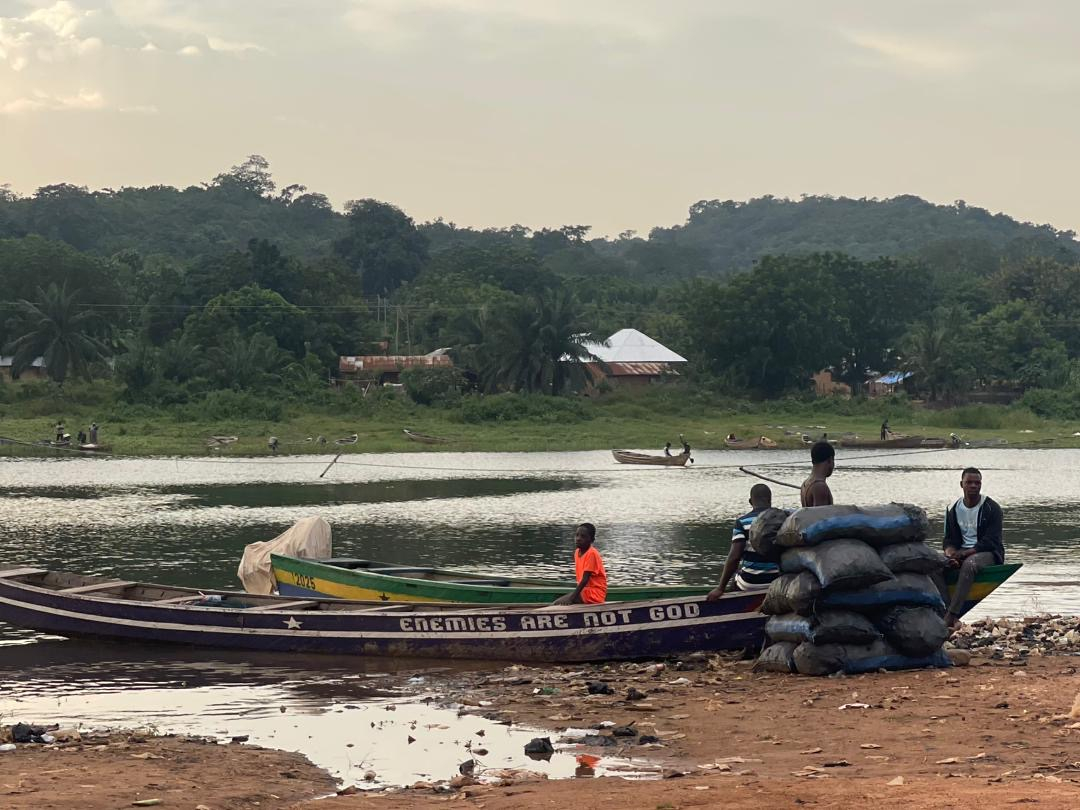
Abotoase: A Riverbank Town Sustained by Lake Transport
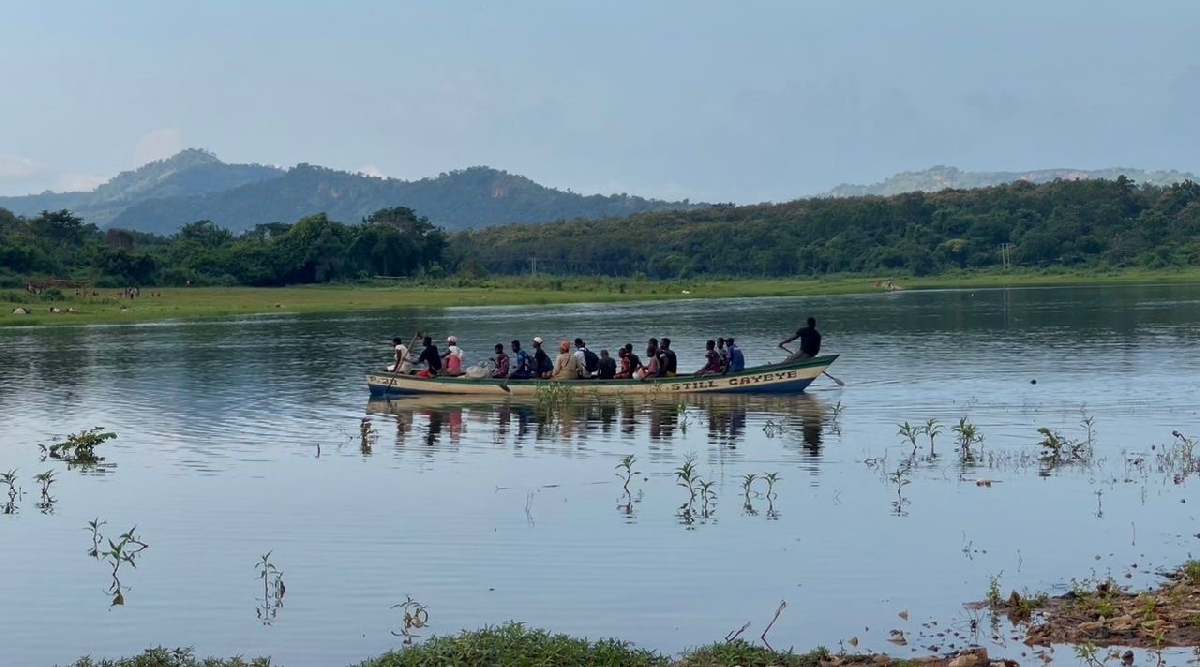
Tapa Abotoase, located in the Biakoye District of the Oti Region, is one of the most vibrant riverbank communities along the Volta Lake. Though known for its 4-day periodic riverbank market, the community relies heavily on the lake for business and mobility. Residents cross the river daily for activities that include:
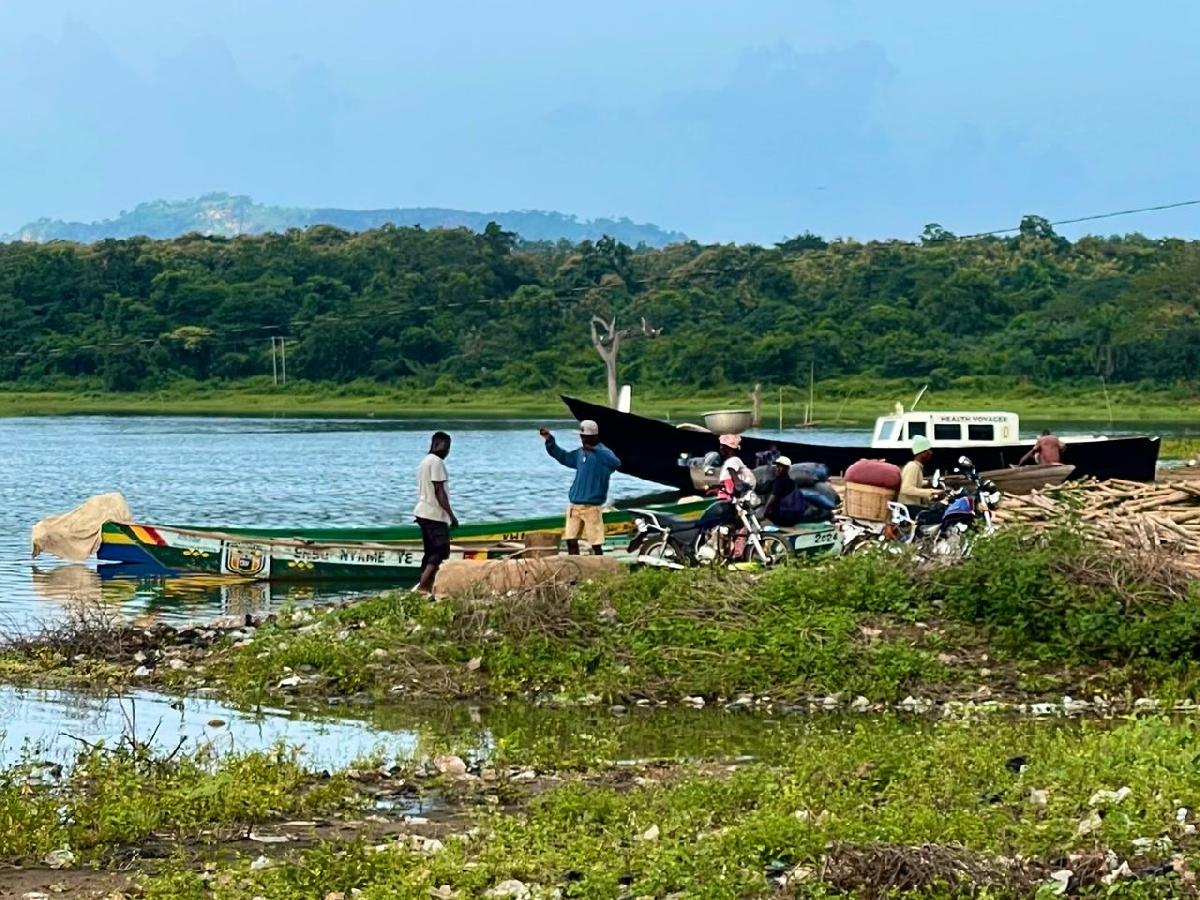
• Transporting charcoal from overbank communities to the market
• Moving yams and other food crops to buyers
• Ferrying traders and commuters to nearby riverine towns
• Supporting a strong local fishing economy
These activities make the Volta Lake more than a natural resource — it is the community’s economic backbone. But they also increase exposure to danger when safety measures are ignored.
A Call for Sensitisation, Not Just Enforcement
Destiny’s appeal goes beyond policing; he calls for targeted education to correct the myths that discourage life jacket use.
“We need government and NGOs to come and educate the people.
Crossing the river is part of daily life here. If they don’t understand why life jackets matter, they won’t use them,” he stressed.
His observation mirrors concerns raised in various lake communities, where cultural beliefs, limited access to safety gear, and lack of regulation have contributed to repeated accidents.
Documentary as Advocacy
By bringing these voices to his audience, Daniel Mintah III’s vlog does more than document the beauty and culture of Abotoase. It amplifies a community-driven call for change, using storytelling to highlight a public safety issue that deserves national attention.
Daniel, known for spotlighting hidden towns and documenting river communities across the Oti Region, said the interaction with the locals revealed a gap that can be filled only through consistent education and stakeholder involvement.
As the video circulates online ahead of its December 5 premiere on MintahStudios, many hope that policymakers, NGOs, and regional authorities will take notice — and take action.
A Shared Responsibility
With the Volta Lake serving millions across multiple regions, safety on the water cannot remain optional. For communities like Abotoase, where livelihoods depend on the river, equipping people with accurate information and protective gear could be the difference between life and death.
Destiny’s message is simple but urgent:
Education saves lives and the time to act is now.





Entertainment