This blog is managed by the content creator and not GhanaWeb, its affiliates, or employees. Advertising on this blog requires a minimum of GH₵50 a week. Contact the blog owner with any queries.
DC Kwame Kwakye Blog of Tuesday, 29 July 2025
Source: KWAME KWAKYE
Y-Check Ghana concludes phase II with dissemination forums in Cape Coast
- Share:


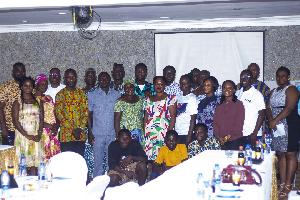
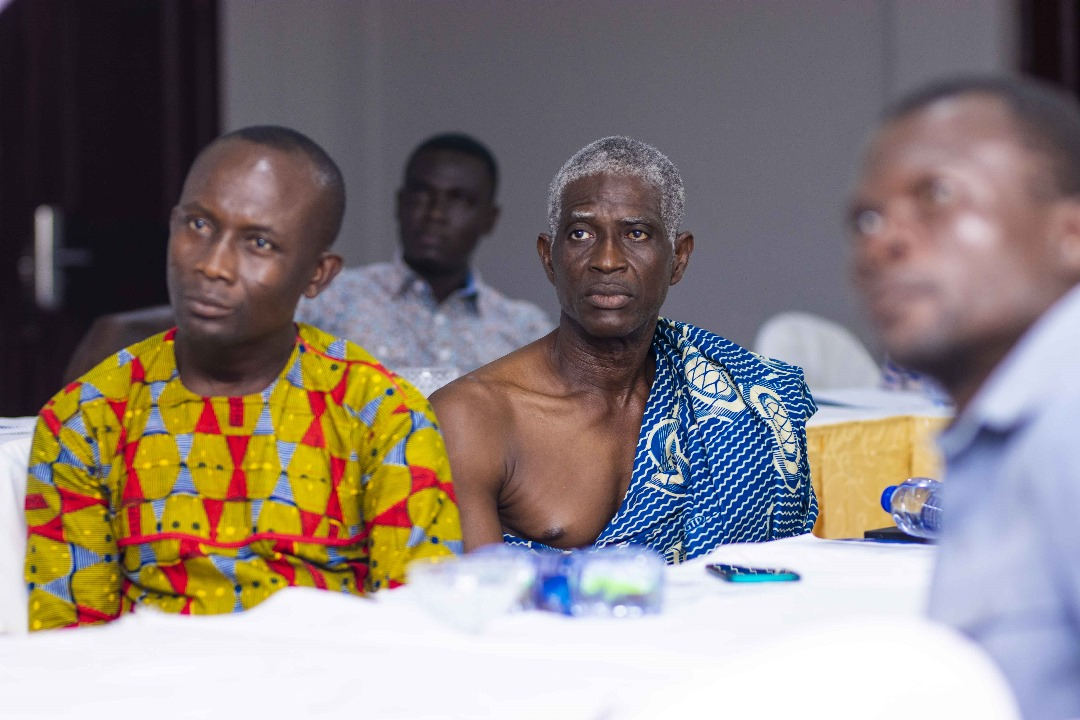
Y-Check Ghana has successfully concluded Phase II of its adolescent health screening initiative with a series of dissemination forums held in Cape Coast. These forums brought together representatives from participating schools and communities, along with key stakeholders including the Cape Coast Metro Director of Education, representatives from the Metro School Health Education Programme (SHEP), local health facilities, headteachers, SHEP coordinators, students, community leaders, and parents.
The forum, which took place at the Capital Hill Hotel on Tuesday, 17th June 2025, served as a platform to share preliminary outcomes, discuss key findings, and offer recommendations for strengthening adolescent health interventions. The event forms part of the broader activities under Phase II of the Y-Check project, which seeks to explore the feasibility of establishing a sustainable model for routine health check-ups for adolescents.
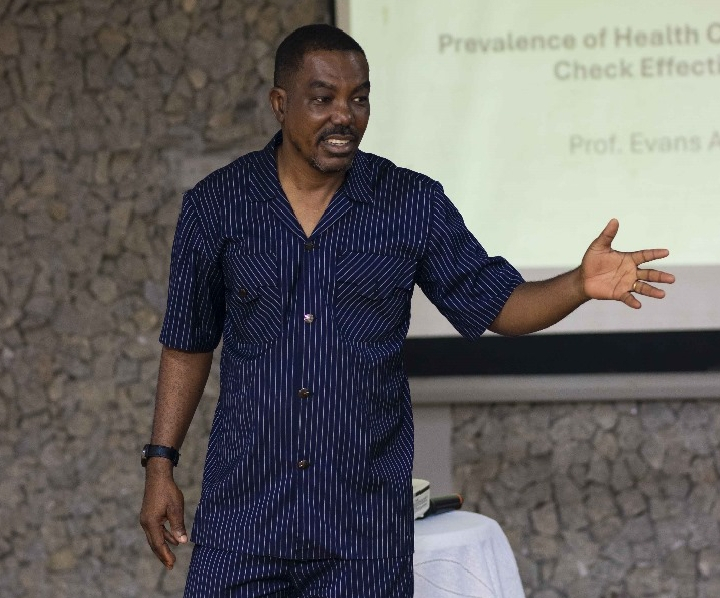
Dr. Franklin Glozah, Deputy Principal Investigator of Y-Check Ghana and a Senior Lecturer at the School of Public Health, University of Ghana, noted in an engagement with the media that the forum aimed to reflect on the progress made and to draw insights for future directions. While expressing optimism about the initiative’s outcomes, he emphasised that the project remains exploratory in nature.
Preliminary Health Screening Observations

Dr. Glozah indicated that initial data from the Y-Check intervention suggest improvements in the general well-being of adolescents who participated in the screening. He explained that some of the health conditions identified during the baseline assessment appeared to show a decline in prevalence after a four-month period. He, however, cautioned that while these findings are promising, they remain preliminary and would benefit from further validation using more rigorous research designs.
He noted that the evidence emerging from the project would be shared with the World Health Organization (WHO) for potential consideration in the formulation of future policy guidelines.
Transition to Phase III
With the conclusion of Phase II, Dr. Glozah shared that the project team is exploring plans for a possible Phase III, which would involve a more robust evaluation through cluster randomised trials. This next phase would aim to more rigorously assess the effectiveness of the Y-Check intervention by comparing outcomes among adolescents who have and have not participated in the programme.
Pathway to National Integration
Responding to questions about integrating the Y-Check intervention into the national health system, Dr. Glozah clarified that Y-Check is being implemented under the auspices of a WHO-led initiative. While the Ghana team can provide evidence-based recommendations, decisions regarding national implementation would ultimately be guided by WHO policy processes.
He highlighted that one of the distinctive features of Y-Check is its inclusion of health concerns, such as mental health, that are often not captured in existing school-based health screenings. He stressed that mental health emerged as a particularly important area during Phase II, warranting greater attention in future screening efforts.
Dr. Glozah acknowledged the ongoing collaboration with the Ghana Education Service and the Ghana Health Service over the past six years, noting that the findings from Y-Check could help inform national discussions on how to strengthen adolescent health services in schools.
Stakeholder Reflections and Next Steps
Participants at the forum welcomed the Y-Check initiative and called on the project team to continue engaging stakeholders in efforts to institutionalise routine adolescent health screening. Some participants proposed the development of a national policy to support its integration into the National Health Insurance Scheme, while others suggested leveraging local governance structures, such as district assemblies and Members of Parliament, to mobilise resources for implementation.
About Y-Check
Y-Check is a multi-country research initiative aimed at developing, implementing, and evaluating the feasibility, acceptability, and cost-effectiveness of a potentially sustainable adolescent health check-up model in three African countries: Ghana (Cape Coast), Tanzania (Mwanza), and Zimbabwe (Chitungwiza). The goal is to enhance adolescent health and well-being through tailored screening and on-the-spot interventions.
The intervention comprises two rounds of check-ups administered by trained personnel across multiple stations, with services including health screening, counselling, treatment, and referrals where necessary. The programme targets two age groups, 10 to 14 years and 15 to 19 years and engaged 2,001 adolescents in total. Parents, caregivers, teachers, health professionals, and community leaders also played a role in the programme’s development and evaluation.