This blog is managed by the content creator and not GhanaWeb, its affiliates, or employees. Advertising on this blog requires a minimum of GH₵50 a week. Contact the blog owner with any queries.
DC Kwame Kwakye Blog of Sunday, 14 September 2025
Source: KWAME KWAKYE
The Gonja/Brefo conflict is about ethnic supremacy and not a land dispute - Dr. Noagah Bukari
- Share:


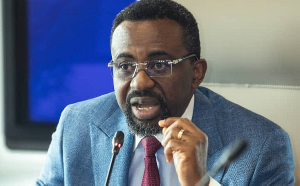
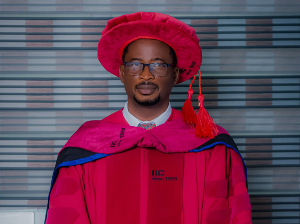
Cape Coast - A Senior Research Fellow at the Department of Peace Studies, School for Development Studies, University of Cape Coast (UCC), Dr. Kaderi Noagah Bukari, posited that the current conflict erupting between Gonjas and Brefos over a parcel of land is deeper than just a land dispute.
He stressed that most conflicts in Ghana stem from ethnic supremacy issues rather than merely land ownership.
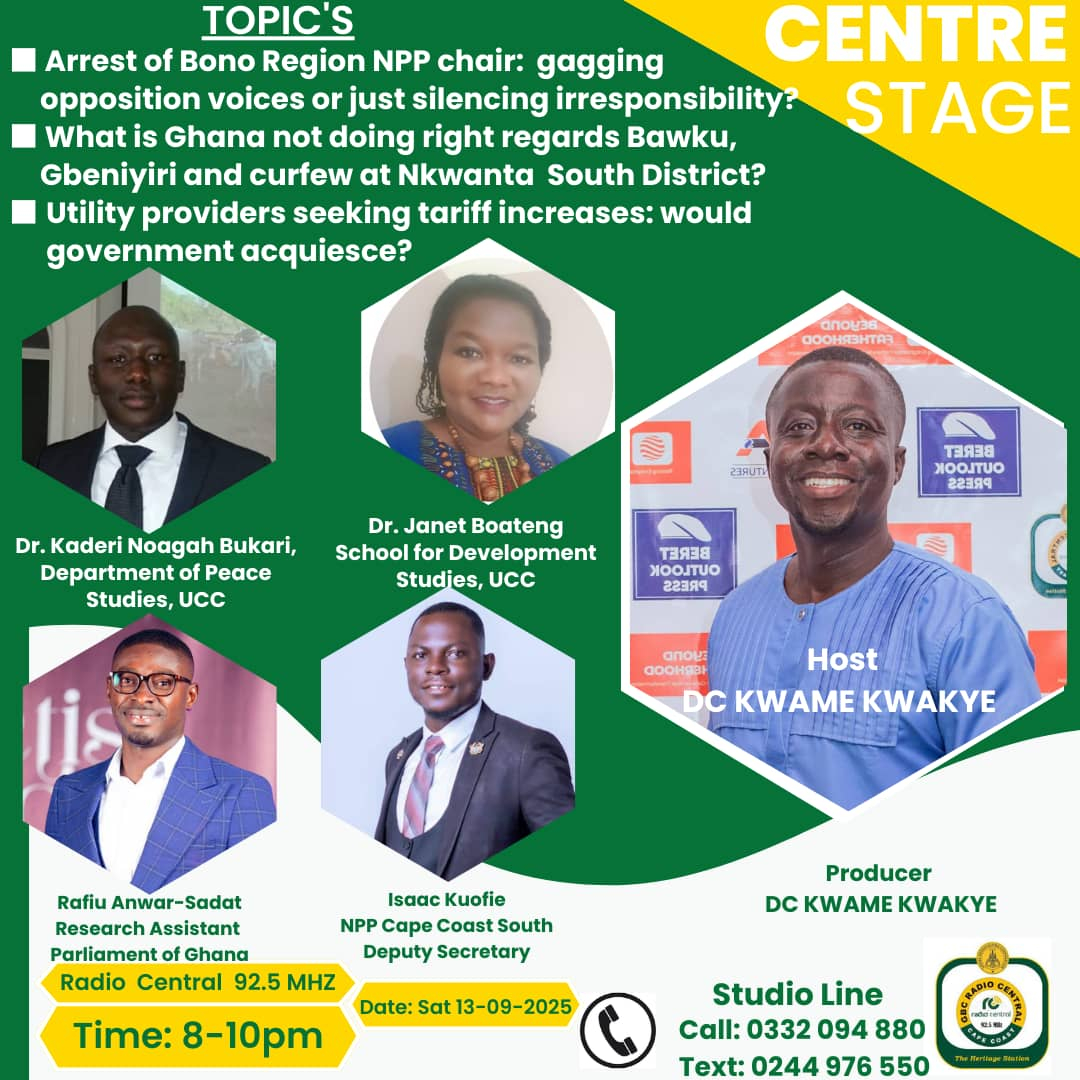
These remarks were made while contributing to a panel discussion on GBC Radio Central's Centre Stage show on Saturday, September 13, 2025, when assessing the topic "What is Ghana not doing right in regards to Bawku, Gbeniyiri and the curfew in Nkwanta South District?".
The Peace, Security and Conflict Studies expert emphasized that intolerance and the exercise of discretion have fueled most recent conflicts. "Brefos and Gonjas have enjoyed peaceful coexistence for years. Such conflicts that claim lives and destroy property are disheartening. Upon thorough analysis, the underlying cause is ethnic supremacy, rather than merely chieftaincy or land disputes," he stressed.
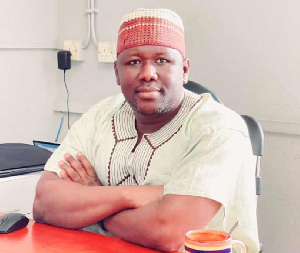
Regarding the resolution of conflicts in most parts of Ghana, Dr. Bukari proposed that educating the current generation to be tolerant of each other is a viable solution to ending the conflicts. "Most people today are intolerant and unwilling to engage in dialogue to resolve conflicts, which is disturbing. We need to educate people to be tolerant of others," he stated.
Further, he emphasized the alarming nature of the widespread availability of firearms in northern Ghana, noting that it is a consequence of the insurgencies that have occurred in the Sahel regions of Africa. "Conflicts in Burkina Faso, Mali, Niger, etc., have led to the proliferation of arms that enter northern Ghana through over 100 porous borders. Firearms also originate from Togo and are sold at very low prices," he revealed.
Regarding the early warning system for detecting conflicts, the Senior Research Fellow criticized the government's efforts, stating that the country's early warning system in conflict prevention was inadequate and required improvement. "We are aware of the conflict areas in Ghana. The early warning signs are clear for all to see. The government needs to be proactive in preventing an escalation of such conflicts," he stated.
Dr. Janet Boateng of the School For Development Studies, UCC, weighed in on the conflict controversy, urging Ghanaians to not only coexist peacefully but also devise innovative strategies to consolidate democratic gains. She emphasized that, following over 30 years of democratic practice, concerted efforts must focus on consolidating achievements, with conflict resolution being a crucial step in this process.
Mr. Isaac Kuofie, also known as Ozana, Cape Coast New Patriotic Party (NPP) Deputy Secretary, expressed disappointment over Ghana's handling of conflicts during a panel discussion. He posited that political rhetoric aimed at securing votes in the recent 2024 elections has exacerbated conflicts in various parts of Ghana.
He disclosed that information at his disposal suggests that nearly every household in conflict-prone areas in Northern Ghana possesses approximately five guns. "This is a disturbing trend and a very alarming warning", he emphasized, cautioning politicians to refrain from making inflammatory comments in conflict areas. He urged President Mahama to apologize to Dr. Bawumia for certain remarks made during the lead-up to the 2024 election. "When President Mahama takes that step, then a call for collective efforts to resolve the matter will gain traction", he stressed.
Rafiu Anwar-Sadat, Research Assistant at the Parliament of Ghana, disagreed with Mr. Kuofie's call for President Mahama to apologize, suggesting that depoliticization is the best approach to resolving conflicts. He urged feuding factions to seek peaceful ways to resolve their differences rather than resort to armed conflict.
Again, he emphasized that the common enemy afflicting the people of the north is poverty and deprivation, and not themselves, echoing similar sentiments expressed by President Mahama during his maiden meet-the-press in Accra. Highlighting developmental challenges within the north, Anwar-Sadat noted that when most of their kith and kin travel down south they become amazed at the development they witness, advising that they can only catch up when they allow peace to prevail.
"When such incidents occur, those of us from the North become exceedingly concerned and disturbed. Let's set aside politics and address anyone who incites conflicts in the North," He somberly emphasized, advising all northerners to give peace a chance by supporting President Mahama's efforts at finding lasting peace.
In their concluding remarks, all panel members unanimously agreed that major political parties should refrain from interfering in conflict issues for political gain, calling for a concerted effort to resolve these conflicts.