This blog is managed by the content creator and not GhanaWeb, its affiliates, or employees. Advertising on this blog requires a minimum of GH₵50 a week. Contact the blog owner with any queries.
Burna Blogs Blog of Wednesday, 1 April 2026
Source: ENOCH ATO NYAMSON
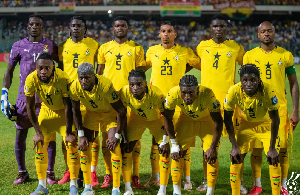
DR Congo secure 2026 World Cup spot after 52-year absence
- Share:


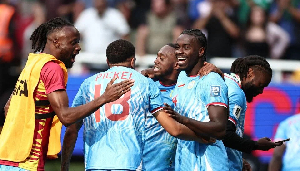
Their last appearance dates back to 1974, when they competed under the name Zaire national football team a moment that, until now, stood as a distant memory in the nation’s football journey.
This long-awaited return represents far more than just a place at the tournament. It is a powerful symbol of resurgence for a nation rich in footballing talent but often hindered by inconsistency and structural challenges.
Over the decades, DR Congo has produced gifted players who have excelled across Europe and beyond, yet translating that individual quality into collective success at national level has remained a challenge. Qualification for the 2026 tournament signals a turning point—a sign that the Leopards are finally aligning their potential with results on the international stage.
The 52-year gap between appearances is one of the longest in World Cup history and stands as the joint-longest interval for any nation competing in the 2026 edition. Haiti national football team share this record, as they too return to the tournament after decades away.
Notably, DR Congo’s qualification also sees them become the 10th African nation to secure a place at this year’s World Cup, further strengthening the continent’s representation on the global stage.
With more African teams competing than ever before, hopes are rising that the expanded presence could finally translate into a historic breakthrough—an African nation lifting the World Cup for the first time.
For DR Congo, this achievement carries deep emotional and cultural significance. Football has always been a unifying force in the country, and this qualification offers a renewed sense of pride and belief among fans. It reconnects the present generation with the legacy of 1974 while opening a new chapter filled with ambition and expectation.
As they prepare for their return to football’s biggest stage, DR Congo will not simply be content with participation. They arrive with renewed confidence, continental backing, and the weight of history behind them. After more than five decades away, the Leopards are back and their return could be part of a broader African story still waiting to be written.