This blog is managed by the content creator and not GhanaWeb, its affiliates, or employees. Advertising on this blog requires a minimum of GH₵50 a week. Contact the blog owner with any queries.
Attractive News Blog of Friday, 27 March 2026
Source: Andre Mustapha NII okai Inusah
Minority Leade Alexander Afenyo-Markin Pushes Back on Slave Trade Reparations, Cites Local Complicity
- Share:


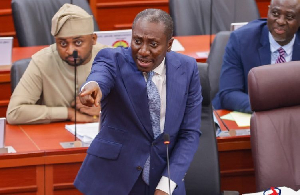
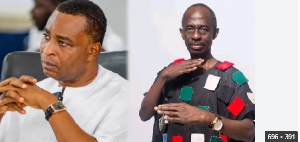
The Minority Leader in Parliament, Alexander Afenyo-Markin, has sparked debate by challenging demands for reparatory justice related to the Trans-Atlantic Slave Trade, arguing that historical accounts must also acknowledge the role played by local actors.
Speaking on the issue, the Effutu Member of Parliament emphasized that the trans-Atlantic slave trade was not solely imposed by European traders, but involved participation by some indigenous groups who captured and sold their own people.
“When a vessel docks at Cape Coast and you travel to Bono, Ashanti, or Assin areas to capture your strongest among your own people, then after a century, demand compensation — who compensates whom? We maltreated our own and invited the white man to do the same. The story must be told in proper context,” Afenyo-Markin said.
He, however, made it clear that he condemns the suffering endured by those who were enslaved. “The inhumane treatment, humiliation, marginalization, and abuse of our ancestors who became victims of this trade must be unequivocally condemned,” he added.
In contrast, the Majority Leader and Bawku Central MP, Mahama Ayariga, defended the call for reparations, pointing to the direct link between slavery and the wealth of developed nations.
“Many wealthy countries today built their fortunes on the back of slave labor. Plantations worked by enslaved people generated capital that fueled their development. Recognizing this history calls for sharing that wealth with the descendants of those who laid the foundation for it,” Ayariga argued.
The contrasting viewpoints from the Minority and Majority Leaders highlight ongoing tensions in Ghana’s discourse over historical accountability and the question of reparatory justice for the trans-Atlantic slave trade.
Writer’s Name: Andre Mustapha Nii Okai Inusah
Popularly Known As: Attractive Mustapha
Email: attractivemustapha@gmail.com
Contact Number: 0244 259 564