For many young Africans seeking better economic opportunities abroad, the promise often begins with the prospect of employment, financial stability and a new beginning. However, for hundreds of nationals from across the continent, those hopes have reportedly ended on the battlefields of the Russia-Ukraine war.
A recent update from the Ukrainian Ministry of Foreign Affairs has revealed that at least 485 African nationals recruited into the Russian Armed Forces have been confirmed dead, with Ghana recording the second-highest number of casualties among African countries.
According to information published by the Ukrainian government’s StopRussianRecruiters.org platform, 85 Ghanaian citizens have been confirmed killed after being recruited into Russia’s military.
The website, launched on May 25, 2026, was created to document alleged deceptive recruitment practices by Russian military-linked networks targeting foreign nationals. It publishes information on recruiters, recruitment channels, casualty figures, testimonies from victims and investigations into recruitment activities.
The platform has also identified Ghanaian nationals currently being held as prisoners of war in Ukraine, including Joshua Kwaku Nkrumah, 36, who has been detained since September 2024, and Philip Mensafio, 49, detained since August 2024.
Ukraine’s Coordination Headquarters for the Treatment of Prisoners of War has suggested that Ghana is currently among the few African countries whose representatives have visited Ukrainian prisoner-of-war camps to begin discussions on repatriating detained citizens.
The recruitment trail
Across Africa, concerns are growing over how nationals are being recruited into Russia’s military operations through what authorities and international observers describe as misleading employment opportunities.
Kenya has also recorded significant casualties, with 59 citizens confirmed dead, making it the fourth-highest African casualty figure.
Some families of affected Kenyans say their relatives travelled to Russia believing they had secured civilian jobs before being pushed into military service.
One such case involves Francis Dungun Darua, whose family says he was misled into signing a military contract that he believed was connected to electrical engineering work. He was later reported to have appeared in footage linked to a battlefield operation.
Other Kenyan nationals, including Mahara Willy Manits and Evans Kibet, are currently listed among those held in Ukrainian prisoner-of-war camps.
The scale of recruitment has prompted concern from African governments and security experts. Reports indicate that more than 1,000 Kenyans may have signed Russian military contracts after being recruited through various channels.
Growing government response
Some African governments have begun taking steps to address the issue.
Zimbabwe, for instance, has launched investigations and arrested individuals accused of participating in recruitment networks allegedly sending citizens to Russia.
Kenya has also taken measures, including moves to strengthen legal frameworks against mercenary recruitment and agreements aimed at preventing exploitation of citizens seeking opportunities abroad.
However, questions remain over how effectively governments are protecting vulnerable citizens from deceptive recruitment schemes.
The situation highlights broader challenges facing many African youths, including unemployment, economic hardship and the search for opportunities overseas.
As the Russia-Ukraine war continues, experts warn that recruitment networks exploiting economic vulnerability could continue targeting young Africans unless stronger protections, public awareness campaigns and enforcement measures are introduced.
For Ghana and other affected countries, the stories of those lost on foreign battlefields serve as a reminder of the dangers surrounding unverified overseas employment opportunities and the need for greater scrutiny of recruitment processes.
Opinions of Tuesday, 21 July 2026
Columnist: Abiodun Alero
From Job Promises to Battlefields: The African youth caught in Russia's war
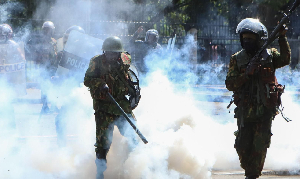 85 Ghanaians confirmed dead after recruitment into Russia's military, Ukraine says