The New Patriotic Party wants Ghanaians to believe it is the defender of democracy and free expression. The record says otherwise. When it comes to freedom of speech, the NPP’s words and actions don’t match, and the gap is appalling.
In opposition, NPP leaders built their brand on attacking the NDC for stifling dissent. They used radio, newspapers, and street protests to call out every perceived infringement on press freedom. The moment they won power in 2017, the posture changed.
Journalists who asked hard questions about corruption, procurement, and the economy suddenly found themselves facing harassment, intimidation, and in some cases physical attacks. The same people who demanded accountability under Mahama went quiet when their own appointees were exposed. That’s not defending free speech. That’s defending power.
The NPP weapon zed state institutions against dissent. Minority Leader Alexander Afenyo-Markin himself admitted in April 2026 that the pattern is “unmistakable and deliberate”: raids to intimidate, seizures of property to destabilize, and arrests to send a chilling message across the entire NPP. If this is what happens to NPP members, imagine what ordinary citizens and journalists face.
The state has been used to settle political scores rather than uphold the rule of law. That’s not law and order. That’s using the police and investigative bodies as political weapons. A government that fears criticism enough to weaponize institutions does not believe in free speech.
Internal Vetting Used to Purge Dissent
Even within its own ranks, the NPP cannot tolerate disagreement. In Tarkwa-Nsuaem and other constituencies, polling station executive vetting has been used to disqualify members for the crime of engaging with NDC activities, running businesses near NDC materials, or supporting candidates outside the approved circle.
Reasons given are vague, biased, and driven by internal political interests rather than merit. Members who campaigned for the party in 2024 are now being told their loyalty is in doubt. If you can’t speak freely inside your own party, you certainly won’t protect it for the country.
Freedom of speech requires leadership that speaks up when the principle is under attack. Yet key NPP figures like Kennedy Agyapong have gone silent on the “Base” movement and on the internal divisions tearing the party apart. Critics argue this silence fuels speculation and widens divisions, but it also sends a message: speaking out is dangerous, so stay quiet.
When influential voices refuse to defend open debate, they abandon the principle they once claimed to champion.
The Double Standard on Media and Criticism. The NPP was quick to condemn any media outlet that criticized it while in power, labelling coverage as “biased” or “NDC propaganda.” Meanwhile, pro-NPP outlets enjoyed protection and access. That’s not a free press. That’s a managed press.
A democracy cannot survive if only one side of the political divide is allowed to speak without fear. The NPP’s behaviour shows it wants a media environment where criticism is tolerated only when it targets the opposition.
Freedom of speech is not a slogan to be used against opponents. It is a right that must be defended even when it protects your critics. The NPP’s record in government shows a party that preaches openness in opposition but practices control in power.
Ghanaians deserve better than a party that treats free speech as a weapon for political convenience. Until the NPP matches its rhetoric with action, its claims about defending democracy will remain an appalling hypocrisy.
Opinions of Friday, 22 May 2026
Columnist: Awudu Razak Jehoney
Freedom of Speech: The NPP’s hypocrisy is appalling
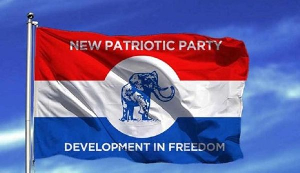 A file photo of the flag of NPP