As a former Government Spokesperson on Governance and Security, I have always maintained that national security is not a part-time affair. It demands consistent, focused leadership at the highest levels, especially in a volatile sub-region.
The tragic death of Defence Minister Dr Edward Omane Boamah on 6 August 2025 in a military helicopter crash while on anti-galamsey duty was a profound national loss.
Nearly nine months later, as of May 2026, Ghana still lacks a full, vetted, and sworn-in substantive Minister of Defence. The Finance Minister has been acting in that capacity, but this cannot be a sustainable long-term arrangement for such a critical portfolio.
Critical incidents and heightened risks since August 2025
The absence of dedicated leadership at the Defence Ministry has coincided with several worrying developments:
1. Escalating galamsey-related violence and resistance:
Illegal mining has surged as a national security threat, with repeated attacks on taskforces, journalists, and regulatory officials in regions like Ashanti and Ahafo. Armed confrontations, mob violence, and shootouts have become more frequent, undermining state authority and environmental security. Experts, including from KAIPTC, have described galamsey as one of the biggest emerging threats to national stability.
2. Spillover risks from Sahel terrorism:
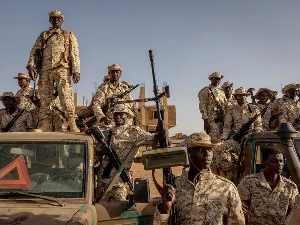
Jihadist groups like JNIM have expanded activities near Ghana’s northern borders, using areas for logistics and resourcing. Ghana has stepped up counter-terrorism efforts, border projects, and intelligence coordination, but the proximity of attacks in Burkina Faso, Mali, and beyond (including incidents affecting Ghanaians) demands robust, day-to-day ministerial oversight of the Armed Forces.
3. Persistent internal security challenges:
These include chieftaincy conflicts (e.g., Bawku), proliferation of small arms, violent crime, gun violence spikes, and reported threats linked to resource disputes. Broader regional instability — such as maritime piracy affecting Ghanaian fishermen and cross-border incidents — further strains the system.
These are not abstract risks. A Defence Minister provides strategic direction to the Ghana Armed Forces, coordinates with the National Security apparatus, oversees procurement and readiness, and ensures parliamentary accountability on defence matters.
An acting arrangement, however competent, diffuses focus when the Minister of Finance already carries a heavy economic portfolio.
President John Dramani Mahama has indicated that appointments for Defence and Environment will come in January, 2026.
With respect, President, what has caused this prolonged delay?
Nine months is not a mere administrative pause — it is a leadership vacuum at a time when the security environment is evolving rapidly.
Is it due to the search for a uniquely qualified candidate, parliamentary scheduling, internal consultations within the NDC, or other priorities taking precedence?
The public deserves transparency.
Ghanaians across party lines expect the executive to prioritize national security above political convenience.
A substantive, capable Defence Minister — vetted by Parliament and fully empowered — should be appointed without further delay to restore confidence in our security architecture, strengthen deterrence, and provide clear command oversight amid these threats.
The helicopter tragedy that claimed Dr Omane Boamah and others was a stark reminder of the sacrifices made in service to the nation.
The best tribute is ensuring the Ministry he led does not continue operating without full leadership.
President, the security of the state cannot wait. Ghana’s Armed Forces and the citizenry deserve better.
Thank you
Opinions of Sunday, 10 May 2026
Columnist: Dr Palgrave Boakye-Danquah
9 months without a substantive Defence Minister: A serious gap in Ghana's security architecture
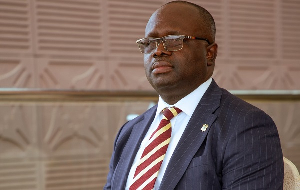 Late former Defence Minister Dr Edward Omane Boamah