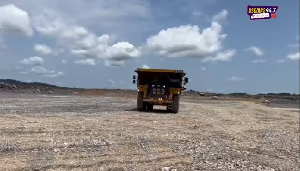
The Tarkwa area has long been recognized as one of Ghana’s most important gold mining hubs. Situated within the prolific Tarkwaian Banket and partly in the Birimian System, the area has attracted both large-scale mining companies and numerous small-scale underground operators. With the recent surge in global gold prices, activity in these underground mines has intensified significantly.
Old shafts that were once dormant are now being reopened, and new underground workings are rapidly expanding. While this surge in activity promises economic opportunity, it also reveals deeply troubling situations unfolding beneath the ground and that is, one that threatens the lives of miners and two, that, that raises serious national security concerns.
A Dangerous Ventilation Crisis Underground
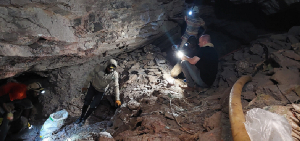
In many of the small-scale underground mines in and around Tarkwa, a single vertical shaft serves as both the entrance and the primary air intake for the workers underground. These shafts lead to networks of tunnels that often interconnect with neighboring mines. With the surge of these numerous underground mines, a critical component of safe underground mining is largely absent: exhaust ventilation.
Instead of having a properly designed ventilation system that brings fresh air in and removes contaminated air out, most of the operators simply install fans that blow air down the shaft. While this may appear helpful, it actually creates a dangerous condition when the multiple mines are interconnected underground. For instance, when rock blasting occurs, a routine daily activity in underground gold mining, large quantities of hazardous gases are released which include:
• Carbon monoxide (CO)
• Nitrogen oxides (NOx)
• Sulphur dioxide (SO₂)
• Dust and particulate matter
Without exhaust ventilation, these gases have nowhere to escape. Instead, they accumulate in dead-end tunnels and working faces. The continuous pumping of air into the mines push these poisonous gases deeper into interconnected workings where miners are operating. The consequences are severe and include:
• Sudden gas poisoning after blasting
• Long-term respiratory diseases
• Reduced oxygen levels underground
• Fatal underground incidents
For miners working hundreds of meters underground, this situation is not merely unsafe, it is life-threatening. The situation becomes even more concerning when considering the apparent lack of regulatory monitoring. Institutions such as the Minerals Commission of Ghana and the Environmental Protection Agency (Ghana) are mandated to regulate mining operations and to ensure compliance with safety and environmental standards.
However, evidence from communities such as Brahabebome near University of Mines and Technology, Tarkwa suggests that many of the underground mines operate without regular inspections. With a good example being the “Brahabebome Community Mine” where lives have been lost on many occasions and whether or not the relatives of the deceased are in the known. Most reasons for those incidence are due to:
• No formal ventilation systems.
• Absence of Gas monitoring equipment.
• Poorly controlled blasting procedures.
• Worker safety training is minimal or nonexistent.
These conditions would not be permitted in regulated industrial mines. Yet they continue to exist in several of the small-scale underground operations. This regulatory gap leaves thousands of miners exposed to unnecessary danger every day.
Growing Security Concerns
Another dimension of the issue is the growing presence of foreign migrant workers in these underground mines. Large numbers of migrants from:
• Mali
• Niger
• Burkina Faso
• Nigeria
have reportedly entered the area to seek employment in underground mining operations. Migration itself is not a problem. In fact, mining regions across the world attract workers from many countries. The concern arises when workers are engaged informally without proper registration or documentation. Given recent reports of banditry and terrorist activities along Ghana’s northern frontier, the issue of undocumented migration has become a national security matter. Authorities including the Ghana Immigration Service must therefore ensure that foreign nationals working in the mining sector are properly registered and documented. This shall enable the government to:
• Track the presence of foreign workers
• Ensure legal employment practices
• Strengthen national security oversight
• Protect migrants from exploitation
Without such oversight, the mining sector risks becoming an unregulated space where both safety and security vulnerabilities grow.
A Call for Immediate Action
The current situation calls for urgent intervention by the government and relevant regulatory institutions. Several immediate steps are necessary and they include:
1. Mandatory Ventilation Systems
2. Regular Safety Inspections
3. Gas Monitoring
4. Worker Training
5. Immigration Registration
If the current situation continues unchecked, the underground mines of Tarkwa may not only produce gold but also tragedy. The time for action is now.
Opinions of Wednesday, 8 April 2026
Columnist: Dr Douglas Oti
Underground gold mining in Tarkwa: A silent safety and security crisis
 Ghana is facing a severe safety and security crisis driven by rampant illegal mining