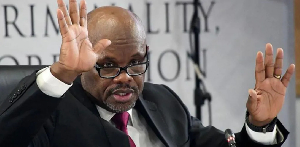
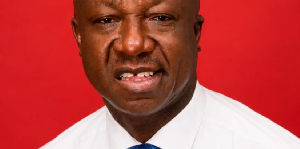
In every generation, a figure emerges who captures the public imagination through sheer force of personality. They speak loudly, act decisively, and present themselves as fearless champions of the people. Their supporters hail them as bold, incorruptible, and unafraid to challenge the status quo. Yet, beneath this aura of charisma, there often lies a more troubling reality—one that demands scrutiny, not silence.
Kennedy Agyapong, a Ghanaian politician and businessman, is one such figure. His admirers praise his outspokenness and his perceived independence from political patronage. They see in him a man who “says it as it is,” unfiltered and unafraid. But this very trait, when left unchecked, becomes a double-edged sword. For what is boldness without restraint? What is fearlessness without dignity?
Agyapong’s public record is marred by a pattern of verbal aggression, particularly toward women. His utterances—often laced with slurs, insults, and dismissive language—have not only demeaned individuals but have also degraded the tone of Ghana’s public discourse. This is not a matter of style or personality. It is a matter of ethics. When a leader uses their platform to run others down, especially those with less power, they betray the very principles they claim to uphold.
Supporters who excuse such behavior often do so under the banner of loyalty. They argue that his intentions are pure, that his enemies deserve harsh words, or that his bluntness is necessary in a corrupt system. But this is a dangerous form of praise-prying—a collective refusal to acknowledge the nakedness of the king. It is easier to cheer for a strongman than to confront the ethical contradictions he embodies.
True leadership is not measured by volume or bravado. It is measured by how one wields power—especially the power of speech. Words can heal or harm, uplift or humiliate. A leader who cannot speak with dignity, especially toward women and dissenters, is not bold. He is reckless. And a society that confuses recklessness with courage risks normalizing abuse as patriotism.
This is not a call to silence dissent or to demand sterile politeness. It is a call to ethical clarity. We must distinguish between righteous anger and verbal violence, between fearless truth-telling and ego-driven tirades. We must ask: does this leader elevate our national conversation, or does he drag it into the gutter?
To those who feel disillusioned by politics, a figure like Agyapong may seem refreshing. But we must not let our hunger for authenticity blind us to the cost of charisma. Ghana deserves leaders who are not only bold but also just; not only fearless but also respectful; not only uncorrupted by money, but uncorrupted by pride.
In the end, the measure of a leader is not how loudly they speak, but how deeply they honor the dignity of others. Let us not be a people who cheer while the king parades in borrowed robes of virtue. Let us be a people who speak truth—not just to power, but about power.
Opinions of Tuesday, 13 January 2026
Columnist: Nana Akwah
The cost of charisma - When boldness betrays dignity
 Nana Akwah