Cardiovascular diseases (CVDs) and diabetes represent the leading causes of disability and mortality worldwide and result in remarkable social and economic costs. An estimated 17.9 million WORLDWIDE, including Ghanaians, died from CVDs in 2016 (31% of all global deaths), of which 85% were caused by heart attack and stroke.
Main discussions agenda and way forward.
Because of their heavy impact on the general population worldwide in terms of burden, mortality, disability, and costs, it is necessary to diagnose CVDs and diabetes and their risk factors as early as possible in order to modify unhealthy lifestyles and to treat affected people. Cancer screening programmes have to be active in several communities in Ghana, and similar programmes for preventing the other most common chronic diseases must be routinely used.
Screening programmers to detect unhealthy lifestyles and/or the presence of altered clinical-laboratory conditions (principal risk factors for the onset of these diseases) highlights this deficiency and must be encouraged This will be an initiative in our territory about this kind of disease and it allowed us to widen the concept of screening to a large part of the population flanking the already existing oncologic screening programmes. The combination of these two fundamental prevention practices will allow a very large part of the population to be reached and the burden of chronic diseases to be reduced.
Also, Female gender and a medium–high social and cultural status an important variables that must be addressed to encourage subjects to join the program, further raising awareness of poorly educated people to be responsible for their own health. An informative health campaign must increase knowledge on this topic.
Screening'
Screening programmers must be in place to allow the early detection of hypertension and prediabetes, or full-blown diabetes conditions in people who are unaware of their condition. On the basis of the results, Physicians will propose some corrective actions. This included advice to keep a healthy lifestyle for a group of people, initiatives to correct the wrong lifestyle habits through participation in smoking cessation, gym, and/or walking groups, providing nutritional advice for people, and sending to ACCREDITED health centers to set up therapy for improvement.
Wayforward'
The high percentages of Ghanaians with an unhealthy lifestyle, regardless of whether or not there is hypertension and/or diabetes, stressed the need to plan and frequently re-propose health education campaigns aimed at changing risky behaviors and to tailor the Ghanaian population, at least by gender, considering the inter-gender differences that can induce a lasting change in behaviors. As expected, our freelance journalism investigations confirmed that subjects, especially women, with a higher cultural level have a greater tendency to care for themselves as well as being more aware of the importance of healthier behaviors.
Opinions of Wednesday, 3 September 2025
Columnist: Frank Owusu Obimpeh
Prevention of cardiovascular diseases, hypertension and diabetes awareness
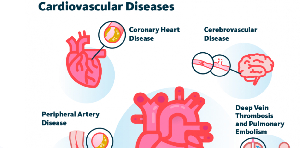 Cardiovascular diseases & diabetes represent the leading causes of disability & mortality worldwide