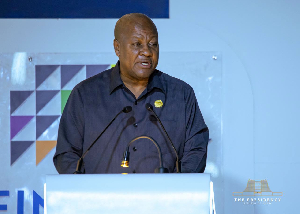
As global security continues to evolve at a rapid and unpredictable pace, from rising cyber-warfare capabilities and international terrorism to shifting geopolitical alliances, nations are increasingly seeking leaders who possess not only tactical and military expertise but also the rare ability to balance diplomacy, intelligence acumen, and strategic national planning.
The modern world demands defenders who understand not just the battlefield, but the boardrooms, diplomatic chambers, and intelligence networks where many conflicts are now born or prevented.
In Ghana’s case, the conversation around the future of defence leadership has quietly but steadily taken an interesting turn.
More security analysts and political commentators are widening their evaluations beyond traditional career military leaders, looking instead to personalities who have navigated the global stage and built strong security partnerships.
This is especially relevant as Ghana continues to expand its role as a stabilising force in West Africa, an environment where relations with major powers and neighboring states matter just as much as internal defence capabilities.
`
Amid these emerging discussions, one name is increasingly being mentioned within policy circles, security forums, and high-level diplomatic corridors: Ambassador Emmanuel Victor Smith, Ghana’s current Ambassador to the United States, and a seasoned statesman with decades of experience in government, diplomacy, and national security affairs.
There may not yet be any formal announcements or official hints toward such a possibility, but the growing public and expert interest surrounding Ambassador Smith’s potential transition from frontline diplomacy to a strategic role in Ghana’s defence architecture suggests the idea has evolved beyond mere speculation.
The curiosity is not without merit; it stems from his long-standing exposure to global security institutions, his contributions within Ghana’s intelligence sphere, and his firm reputation as a leader who combines loyalty to national interests with a pragmatic understanding of the complex world Ghana must navigate.
Simply put: the possibility of Ambassador Victor Smith stepping into Ghana’s defence leadership is no longer a far-fetched political rumour; it is increasingly viewed as a credible, even timely proposition, given the nation’s evolving security landscape.
And for good reason.
Opinions of Wednesday, 26 November 2025
Columnist: David Gbertey
Why Ambassador Victor Smith's global experience aligns with Ghana's evolving leadership
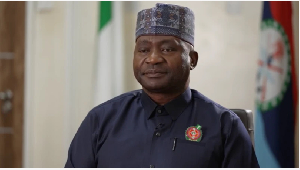
 Emmanuel Victor Smith (facing the camera) is Ghana's current Ambassador to the United States