There is trouble brewing offshore, and Ghana’s cement manufacturers want to make sure the public understands the operational realities driving their latest pricing decision.
Sources close to the sector say manufacturers are preparing to introduce a “Clinker Demurrage Surcharge” of around GHS 12 per bag.
The move follows months of escalating, unbudgeted operational losses tied to severe congestion at Tema Port.
The industry estimates these costs have reached a shocking US$45 million to US$50 million this year alone.
The core issue stems from extended waiting times at anchorage. Clinker, the key raw material required for cement production, took around seven days to clear port at the beginning of the year. That wait has since ballooned to 40 days.
To make matters worse, daily vessel demurrage rates have risen to approximately US$27,000 per day.
A single vessel sitting idle for 40 days racks up over US$1 million in penalty fees before offloading a single ton.
The challenge is more than just financial. With clinker taking 35 days to travel from China and another 35 to 40 days waiting at Tema, the supply cycle is stretching toward three months.
That extended lead time creates a structural bottleneck if port congestion persists.
So who pays?
The industry emphasizes that the upcoming GHS 12 addition is not a standard price increase.
Instead, it is being structured as a temporary, direct pass-through surcharge, itemized separately on invoices and subject to quarterly review. If port clearance times normalize, the surcharge can be adjusted downwards or removed completely.
Beyond the GHS 12 adjustment, industry stakeholders are appealing for broader inter-agency collaboration to resolve the port bottleneck.
The substantial demurrage fees currently being incurred represent a significant drain on foreign exchange, capital flowing directly to international ship owners lines instead of circulating within the Ghanaian economy.
Manufacturers acknowledge ongoing discussions with key government stakeholders, including the Ministries of Trade, Agribusiness and Industry and Transport but emphasize that port infrastructure and berthing availability remain severely constrained.
Industry players point to potential relief solutions, such as optimizing access to Berths 10 and 11, which could immediately help clear the vessel backlog.
The core message from Ghana’s cement makers is collaborative: addressing port congestion will eliminate the demurrage burden and the need for the surcharge. Until those port operations are streamlined, however, the industry faces the financial reality of passing on the cost of prolonged offshore delays.
Opinions of Wednesday, 2 September 2026
Columnist: Bismark Arthur
The Million-Dollar Problem: Why Ghana's cement makers are adding GH¢12 to every bag
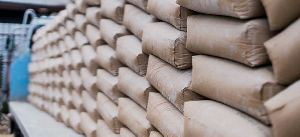 File photo of cement bags