Modern correctional systems globally face escalating structural challenges, including severe prison overcrowding, mounting public expenditure and high reoffending rates associated with short-term custodial sentences.
In response to these pressures, many jurisdictions are increasingly moving towards non-custodial sanctions, community-based supervision and rehabilitation.
In England and Wales, the Sentencing Act 2026, which received Royal Assent in January 2026, introduces significant changes to the sentencing, release and supervision framework. While the Act does not fundamentally alter the underlying philosophy of sentencing, it represents an important operational shift away from the overuse of short-term imprisonment towards structured community supervision, rehabilitation and reintegration.
Ghana is now taking a similar and potentially transformative step through the Community Service legislation. The legislation provides a framework for community service as an alternative to imprisonment for eligible offenders. If properly implemented, it has the potential to reduce overcrowding in Ghana’s prisons, lower the cost of incarceration and strengthen rehabilitation, restorative justice and reintegration within Ghana’s correctional system.
The idea of introducing community service in Ghana is not entirely new. It dates back to 2014, when the government of President John Dramani Mahama, with support from UNICEF, began developing the concept as part of broader efforts to reform Ghana’s juvenile and correctional justice system. Following the change of government in 2017, however, the initiative did not progress as originally envisaged.
The renewed legislative effort therefore presents an important opportunity to revive and institutionalise a significant correctional reform. Community service should not, however, be viewed simply as a mechanism for reducing the prison population. If properly designed and implemented, it can provide offenders with opportunities to take responsibility for their actions, contribute positively to their communities, develop useful skills and address some of the underlying factors associated with offending.
Given the broad support for community service across the political divide and among Civil Society Organisations (CSOs), it is my hope that the legislation will receive the same level of bipartisan and stakeholder support during its implementation.
The real test, however, will not be the passage of the law but its effective implementation. Ghana will need adequate probation and community supervision structures, appropriately trained personnel, robust risk assessment, effective monitoring and evaluation, and sufficient resources to ensure that community service becomes a credible alternative to imprisonment rather than merely another provision on the statute book.
Ghana now has an opportunity to build a correctional system that places greater emphasis on rehabilitation, restoration, accountability and reintegration, while reserving imprisonment for offenders who genuinely require custodial sentences.
Community service can be an important pillar of that transformation. It can help Ghana move from a correctional system that too often relies on imprisonment towards one that places greater emphasis on rehabilitating offenders, protecting communities, repairing harm and reducing reoffending.
The passage of the legislation is therefore only the beginning. Its success will ultimately depend on the political will, institutional capacity and resources committed to turning the law into an effective and sustainable correctional intervention.
Opinions of Tuesday, 18 August 2026
Columnist: Alhassan Mbalba
The Community Service Bill: A necessary shift towards modern correctional justice
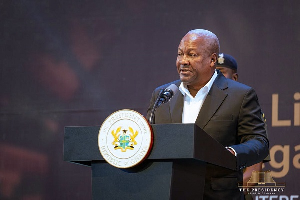 President John Dramani Mahama