Opinions of Wednesday, 16 April 2025
Columnist: Abdul Rahman Odoi
Sports in Ghana should not be all about the Black Stars

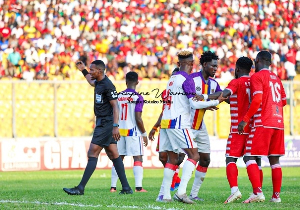
For so many years, the conversation about sports in Ghana has centered on football. Even with football, it’s only the Black Stars that are cherished and able to garner the needed attention and support.
On radio, television, and in graphic reportage, there’s a complete neglect of lesser-known sports in the country. These sports have been left for only their enthusiasts to champion them to grandeur.
Such posturing is even more worrisome when the Ministry of Sports and Recreation becomes the enabler. Just recently, the Ministry, in its communication to an executive board member of the Ghana Hockey Association, Isaac Graham, concluded that it isn’t in a position to help the U21 hockey team represent Ghana in the African Hockey Cup qualifiers.
Meanwhile, the same Ministry would ensure that the necessary arrangements are made to prevent such a fate from befalling the Black Stars. How much do these lesser-known sports even require for their events? Very little.
The complete neglect of these sports is because the people in charge of the Sports Ministry fail to see beyond financial returns—the social impact it could create in the lives of millions of Ghanaian youth. For example, in South Africa, skateboarding projects have helped former gang members build new identities.
In parts of Brazil, capoeira—a traditional Afro-Brazilian martial art—has been used to teach self-control and cultural pride. In inner cities across the U.S., baseball programs have been set up to help keep kids off the streets.
Now you ask, what’s the story of Ghana!? Can’t the country leverage some of these sporting events to curb the growing spread of notoriety among the youth? The former Minister of Youth and Sports, Nii Lantey Vanderpuye, once mentioned that he had wanted to downsize a certain football budget and allocate it to a lesser-known sport for a trip abroad. This is the conscious effort of a minister who understands what sports is about—and not just football.
The Sports Ministry, instead of always claiming there is no money for lesser-known sports, should take the lead by writing to state-owned companies to allocate part of their emoluments or CSR budgets to support the national teams of these sports. They could also knock on the doors of philanthropic organizations and individuals to seek the necessary support for lesser-known sports. At the very least, cut the many officials that travel with the Black Stars and use those humongous allowances to sponsor lesser-known sports.
In 2009, when the late President Atta Mills of blessed memory put up the Theodosia Okoh Astro Turf, the following year, the U17 team that was selected from the regional competition held in 2009 was able to win the first U17 African Youth Olympic qualifiers played in South Africa, by defeating the host nation—a country that takes pride in hockey and other lesser-known sports. That wasn’t all; the team went on to place fourth in the first-ever Youth Olympic Games hosted in Singapore. So, in just one year after the investment and copious support from Oko-NiKoi Dzani, an erstwhile president of the Ghana Hockey Association, Ghana was once again put in the spotlight.
The Atta Mills government didn’t leave the players alone after their great win; he put up an educational emolument for them. It yielded so much returns for them, as they’d later leverage it to attend university. Many of these young men are now responsible taxpayers and still striving in the sports.
In the just-ended Summer Olympics in Paris, Ghana was represented by only two athletes—Joseph Amoah and Rose Yeboah—in just two disciplines: athletics and swimming. There was no representation in sports like hockey, largely due to a lack of support from the Ministry, especially for youth hockey, where support has been halted for years—even for the team to compete in the qualifiers. Since 2012, there has been no representation at the youth level from U17 to U21. This is both appalling and a disgrace to Ghana.
Youth sports come with many advantages. It’s a vessel for championing cultural unity and patriotism—where the youth learn how to be responsible for their country. This is why Morocco has invested so much in sports. Early talent development, discipline, and character building is not far-fetched.
In the same vein, there are educational opportunities for them—just look at the example of Martha Bissah, who won Ghana’s first Youth Olympic gold medal in 2014. Her achievement earned her an athletic scholarship to Norfolk State University in the U.S., where she has excelled both academically and athletically. Beyond all this, it’s so inspiring to have a generation of young ones who are healthy and fit. So why are we not paying attention to this!? Or we are just not serious with sports!?
The Ministry of Sports and Recreation must understand that sports in Ghana is not all about the Black Stars. Ghana must position itself as a sports nation, not just a football nation. Only then will every sporting discipline receive an equitable share of the taxpayer’s money—and only then can the country truly harness the transformative power of sports.





Entertainment