“Grandpa, sending you hugs, love, and wishes on your birthday.”
On September 1, I received this simple but heartfelt message from my grandchildren. While it filled me with joy, it also sparked reflection: what can a personal act of love teach us about the larger work of nation-building?
In many ways, Ghana mirrors a large family—diverse, vibrant, and full of potential—but often challenged by divisions, distrust, and unfulfilled promise.
1. From Family Bonds to National Cohesion
In families, love and care are shown through simple gestures: a hug, a kind word, a wish for well-being. These acts nurture trust and strengthen bonds. Ghana, like a family, thrives when its citizens care for one another and work toward shared goals.
Peaceful interactions in families remind us of the social glue that holds communities together. When citizens extend empathy and support beyond themselves—through mentorship, volunteering, or civic engagement—national cohesion grows.
Pull Quote: “Just as a hug strengthens family bonds, acts of empathy and care can bind a nation together.”
2. National Love in Action: Lessons from Elections
Love for the nation is more than sentiment—it is commitment. A striking example in Ghana’s recent political life was Vice President Dr Mahamudu Bawumia’s quick concession after the elections. By prioritising national stability over personal pride, he helped prevent chaos and affirmed the importance of collective well-being.
Peaceful elections, fair political competition, and respect for institutions are acts of love for the nation. They show that the understanding of national interest exists. What remains is translating that understanding into long-term, tangible action.
Pull Quote: “If concessions and peaceful elections are acts of national love, it shows understanding is present; now we must act.”
3. Hope and Vision: From Birthday Wishes to National Aspirations
Receiving birthday wishes is an expression of hope—a belief in continued life, health, and happiness. For Ghana, hope represents a shared national vision: educated children, thriving businesses, clean communities, and accountable governance.
When communities take action—planting trees in Accra, mentoring youth in Kumasi, supporting local traders in Tema—these gestures mirror the care we exchange in families. Small acts collectively build resilience, social cohesion, and a sense of shared destiny.
4. Understanding Without Action Is Not Enough
Understanding Ghana’s challenges—political, economic, or social—is necessary but insufficient. Peaceful elections and responsible concessions signal comprehension of national priorities, but action is essential to turn understanding into progress.
Practical pathways include:
• Empowering the Informal Sector: Supporting street traders in Accra and Tamale through cooperatives, microfinance, and skills training.
• Strengthening Civic Education: Teaching young people about responsibility, ethics, and active participation.
• Investing in Communities: Improving schools, healthcare, sanitation, and local infrastructure.
• Promoting Ethical Leadership: Rewarding integrity and holding leaders accountable.
Pull Quote: “Understanding alone cannot build infrastructure, create jobs, or improve schools—action must follow insight.”
5. Civic Responsibility: Every Ghanaian Counts
Receiving birthday wishes reminds me of intergenerational responsibility. Similarly, every Ghanaian, regardless of profession, can contribute to nation-building. Students, professionals, artisans, and farmers all play roles in strengthening our social and economic fabric.
Every act of integrity, mentorship, and service becomes a “hug” sent to the nation—an investment in collective prosperity. Ordinary citizens, like family members, can be catalysts for transformation when they act intentionally and responsibly.
6. Empathy as a Development Strategy
Family life teaches us empathy. A birthday wish shows care; national policies should reflect the same principle.
• Education as Embrace: Schools that nurture students morally, intellectually, and socially create a generation capable of national contribution.
• Healthcare as Love: Accessible and affordable care protects lives, reduces suffering, and demonstrates societal value.
• Economic Inclusion as Hope: Integrating informal workers into structured economic systems enhances dignity, opportunity, and social stability.
Pull Quote: “Empathy, when scaled from family to nation, becomes a blueprint for development.”
7. Turning Understanding into Tangible Action
Ghana stands at a pivotal moment. Peaceful elections, concessions in the spirit of national love, and citizen comprehension indicate a strong foundation. The challenge is to act:
1. Translate understanding into action: Civic engagement, ethical leadership, and community participation.
2. Support local communities: Invest time, resources, and expertise in neighbourhood initiatives.
3. Empower citizens economically: Promote cooperatives, vocational training, and entrepreneurship.
4. Celebrate empathy: Encourage mentorship, volunteering, and acts of care.
Each act, like a heartfelt birthday wish, may seem small but carries immense cumulative impact.
8. Conclusion: From Personal Hugs to National Transformation
Receiving birthday wishes from my grandchildren is deeply personal—but it carries a universal lesson for Ghana: care, empathy, hope, and action are pillars of nation-building. Peaceful elections and ethical concessions demonstrate understanding, but love must manifest in concrete, consistent action.
Ghana can become a nation of achievement if citizens extend their “hugs” to communities, their “love” to policies, and their “wishes” to national progress. Each act of care strengthens bonds, nurtures resilience, and builds trust. When all Ghanaians participate consciously, the nation flourishes not by chance, but by deliberate, collective effort.
Pull Quote: “Let every Ghanaian send their own hug, love, and wish—not just to family, but to the nation itself.”
Opinions of Thursday, 25 September 2025
Columnist: Dr Isaac Yaw Asiedu
Receiving Hugs, Love, and Wishes: Family lessons for nation-building in Ghana
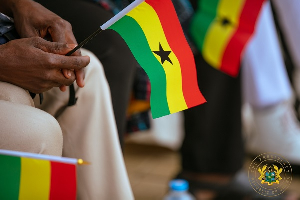 File photo of Ghana's flag




Entertainment