Ghana is once again confronted with an uncomfortable truth: the dangerous normalisation of failed prophecies dressed as divine certainty.
When a so-called man of God boldly declares political outcomes "from God," influences public sentiment, affects voter psychology, mobilises spiritual fear or hope, and then casually executes a U-turn with an apology, the damage has already been done. An apology, however well-worded, does not undo public deception.
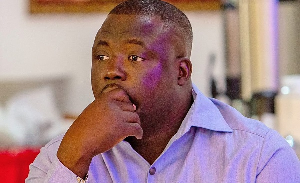
Prophet Bernard Elbernard Nelson-Eshun's admission that his prophecy about the New Patriotic Party (NPP) presidential primaries "missed it" is not merely a personal error. It is a symptom of a larger crisis in Ghana's religious ecosystem, one where charisma has replaced conscience, popularity has replaced prudence, and prophecy has become performance.
Let us be blunt:
If a financial analyst repeatedly made public predictions that misled investors, the state would intervene. If a medical professional consistently gave false diagnoses, their license would be revoked.
So why has religious speech, when it clearly crosses into public manipulation, political interference, and emotional exploitation, been treated as untouchable?
Faith does not place anyone above accountability.
The Real Danger: Spiritual Authority Without Consequence
These public prophecies are not harmless sermons. They:
Influence political behavior.
Shape voter expectations.
Affect emotional and psychological well-being.
Undermine democratic processes.
Erode trust in both religion and governance.
When such declarations fail, the prophets retreat behind the convenient phrase: "I am human."
Yet when the prophecy is made, it is never framed as human opinion; it is framed as divine certainty. That contradiction is the problem.
You cannot claim divine authority when speaking, then claim human limitation when wrong, without consequence.
What Must The Ghana Government Do?
Ghana's Constitution guarantees freedom of religion, but this freedom does not mean the absence of regulation. Even freedom of speech has limits when it threatens public order.
1. Empower the Appropriate Ministry to Regulate Religious Practice.
Through the Ministry of Chieftaincy and Religious Affairs (or a strengthened regulatory body), the government must:
Register all churches and religious organisations.
Require transparent governance structures.
Enforce basic operational standards.
This is not persecution. It is public protection.
2. Introduce Licensing for Religious Leaders.
Just as Rwanda has done, Ghana must consider:
Mandatory theological or accredited religious education for church
founders and leaders.
Continuous professional development in ethics, counselling, and civic
Responsibility.
Periodic renewal of licenses tied to conduct.
No nation that values social order allows anyone to wake up, rent a
hall, declare themselves a prophet, and start shaping national discourse
unchecked.
3. Criminalise Reckless Prophetic Utterances That Harm the Public.
Clear legal distinctions must be drawn between:
Personal religious belief.
And public prophetic declarations that influence politics, finance,
health, or security.
Where such utterances cause harm or unrest, sanctions, not just
apologies, must follow.
Restoring Sanity And Sanctity In Ghana's Religious Space
Reform is not anti-God. It is anti-fraud.
The religious community itself must:
Self-regulate through strong councils and peer accountability.
Publicly rebuke false prophecies, not defend them.
Teach discernment, not blind submission.
True spirituality does not fear scrutiny. Only deception does.
A Final Word
Ghana deserves better than a cycle of prophecy, publicity, failure, apology, repeat. The pulpit must not become a political forecasting studio. The title "prophet" must not be a shield against responsibility.
And faith must never be weaponised against the public. Until the state acts and until religious leaders clean their own house, the victims will always be ordinary Ghanaians, misled in the name of God. And that is the greatest sacrilege of all.
Opinions of Monday, 2 February 2026
Columnist: Sir Richie
Prophecy without accountability is national deception
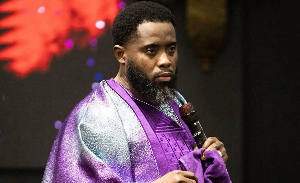 Prophet Bernard Elbernard had to apologize for his failed prophecy on the NPP Presidential Primaries