The air crackled with anticipation. Not just the usual political buzz, but a palpable spiritual energy. Across various churches and prayer centres in Ghana, fervent prayers had ascended for months, echoing a collective plea for a specific outcome in the 2024 elections.
When the results were finally announced, declaring John Mahama the victor, a wave of jubilant worship swept across the nation, a testament to the deep intertwining of faith and politics in Ghanaian society. This wasn't merely a political celebration; it was a profound expression of religious conviction.
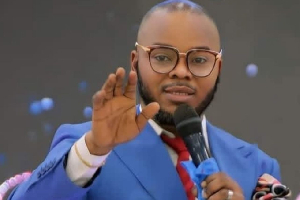
For many, Mahama's victory was seen as an answer to prayer, a divine intervention in the political landscape. The lifting of hands in worship wasn't simply a gesture of joy; it represented a profound belief in the power of prayer and divine providence. Years of fervent supplication, marked by fasting, vigils, and collective prayer meetings, had culminated in this moment of apparent divine favour. The churches weren't just places of solace; they had become crucial hubs of political mobilisation and spiritual encouragement.
This connection between faith and politics is deeply rooted in Ghanaian culture. Religion plays a significant role in everyday life, influencing decisions both big and small. For many voters, choosing a leader involves a spiritual assessment, considering not only policies and promises but also the perceived moral character and spiritual alignment of the candidate. In this context, Mahama's perceived piety and commitment to certain social values resonated deeply with a significant portion of the religiously inclined electorate.
The fervent worship following the election wasn't simply a spontaneous outburst. It was the culmination of a well-organised and spiritually driven campaign strategy. Many religious leaders openly endorsed Mahama, incorporating their support into their sermons and using their influence to mobilise their congregations to vote for him. This strategic alignment of religious and political power significantly amplified Mahama’s message and fostered a sense of collective faith in his leadership.
The lifting of hands, a common gesture of praise and supplication in many Christian denominations, became a powerful symbol of this interconnectedness. It signified gratitude for a perceived answered prayer, a recognition of divine intervention in the electoral process, and a hopeful anticipation for a future guided by faith and righteousness. The celebratory songs and hymns resonated with themes of redemption, deliverance, and divine favour, reflecting the widespread belief that Mahama's victory marked a new era of national renewal.
Ultimately, the image of hands lifted in worship following John Mahama’s electoral victory offers a fascinating glimpse into the spiritual landscape of Ghana and the complex relationship between faith, politics, and the collective aspirations of a nation. It showcases the power of faith to mobilise communities and shape political outcomes, highlighting both the potential benefits and the inherent challenges of this deeply interwoven dynamic. The analysis of this phenomenon provides valuable insights into the socio-political fabric of Ghana and its evolving relationship with faith and leadership.
Watch as Parliament pays tribute to late Ghanaian boxing legend Clement Ike Quartey Snr
Opinions of Thursday, 19 December 2024
Columnist: Anthony Obeng Afrane
Lifting up Hands in Worship: The spiritual significance of John Mahama's electoral victory
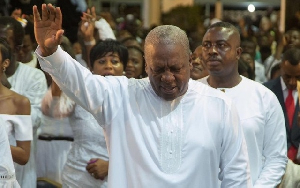 Ghana's President-Elect John Dramani Mahama