Ghana’s growing engagement with Russia offers opportunities for trade, investment and economic cooperation. However, as the government pursues these opportunities, it must ensure that the interests and safety of Ghanaians remain central to every agreement.
The Third Russia-Africa Summit, held in Moscow on October 28 and 29, 2026, produced several commitments, including a reported assurance from Russian President Vladimir Putin that Ghanaians would not be recruited to fight in the war against Ukraine.
The assurance is a welcome development amid reports of African nationals being drawn into the Russian military through recruitment networks. It also presents an opportunity for Ghana to strengthen protections for its citizens seeking employment abroad.
However, a separate agreement signed during the summit requires further public explanation.
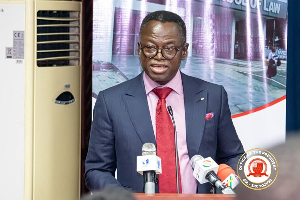
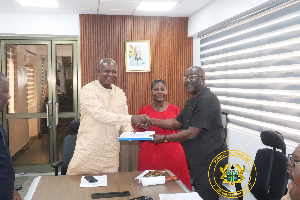
Ghana’s Labour Minister, Emmanuel Agyekum, signed an agreement with representatives of Russia’s Alabuga Special Economic Zone (SEZ). While the arrangement could form part of broader efforts to promote employment and economic cooperation, questions have emerged about whether it has any connection to the Alabuga Start programme, which recruits young women, including Africans.
The government has a responsibility to clarify the agreement’s purpose, scope and expected benefits. It should also explain whether the programme is among the opportunities being considered and, if so, what safeguards will apply.
Alabuga Start is promoted as a work and educational opportunity for young women. Such opportunities can be attractive, particularly to young people facing limited employment prospects at home. International media investigations and reports, however, have raised concerns about recruitment practices, working conditions and the nature of some assignments.
Some investigations have alleged that participants were recruited under misleading circumstances and subsequently assigned to facilities involved in producing military drones. The US State Department’s 2026 Trafficking in Persons Report has also raised serious concerns about human trafficking linked to the programme.
These allegations should not automatically be treated as proof that every participant is being exploited or that the agreement signed by Ghana involves the recruitment of women into the programme. Nevertheless, they are serious enough to warrant careful scrutiny, transparency and independent due diligence.
Reports of Alabuga recruitment campaigns targeting young Ghanaian women, including through social media, make the need for clarity even more pressing. The reported experience of a Ghanaian family whose daughter described the programme as a trap also highlights the anxiety such recruitment activities can generate.
At the same time, Ghana should not allow concerns surrounding one programme to undermine legitimate efforts to explore mutually beneficial relations with Russia. International partnerships can support job creation, skills development and investment when they are built on transparency and respect for workers’ rights.
The government should therefore publish details of the Alabuga agreement, clarify its intended beneficiaries and establish the protections available to any Ghanaian who may participate in an employment or training arrangement connected to it. Prospective workers must receive accurate information about their duties, working conditions, remuneration and freedom to leave.
Ghana’s unemployment challenges make overseas opportunities important, but the search for jobs must never come at the expense of citizens’ dignity and safety.
The objective should not be to reject cooperation with Russia, but to ensure that such cooperation serves Ghana’s national interest and protects its people.
Economic diplomacy is most valuable when it creates opportunities without compromising human dignity.
Opinions of Tuesday, 24 November 2026
Columnist: Adeyimi Abiodun
Ghana must balance Russia ties with safeguards against exploitation
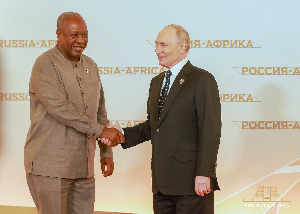 The Third Russia-Africa Summit was held in Moscow on October 28 and 29, 2026