Since the establishment of the Fourth Republic in 1993, Ghana has witnessed several parliamentary by-elections necessitated by vacancies arising from causes such as death, resignation, or disqualification of Members of Parliament. For example, the passing of MPs in constituencies including Wulensi, Navrongo Central, Gomoa East, and Upper Denkyira led to a succession of by-elections in 2003 and 2004.
A pertinent example is the 2006 Tamale Central by-election, which was triggered by the resignation of the incumbent Member of Parliament and subsequent political realignment. The Akwatia and Tamale Central by-elections will constitute the 33rd and 34th by-elections in the Fourth Republic, following a total of 31 by-elections that have already taken place. This year marks over 30 years of Parliamentary Democracy in Ghana.
As Ghanaians, it is essential to engage in an honest assessment of the recent by-elections and their effectiveness. Unfortunately, we are unable to assert that these elections have been conducted peacefully or have achieved their intended objectives, particularly in light of the violent incidents reported during the parliamentary re-run in the Ablekuma North and Ablekuma Central constituencies.
The two leading political parties in the country appeared to approach these by-elections as confrontational contests. Notably, Hon. Hawa Koomson, the Member of Parliament for Awutu Senya East, as well as an EIB journalist, was a victim of violence during the Ablekuma North re-run. Furthermore, supporters of the New Patriotic Party (NPP) frequently remind the public that instances of violence have marred previous by-elections, indicating a troubling pattern in the electoral process.
A comparable incident took place during the Ablekuma Central by-election in 2024, a fact that has largely been overlooked. In that instance, DSP Azugu, the commander of the Special Weapons and Tactics team at the National Security Ministry, and his personnel appeared indifferent. At the same time, Sam George and a journalist were subjected to significant physical assault.
Given the prevalence of such occurrences during by-elections, I strongly urge our political leaders and their supporters to consider the possibility of allowing political parties to replace members without necessitating a by-election in cases of death, resignation, or disqualification. This approach could yield substantial benefits to the country by mitigating the considerable expenses associated with administering by-elections.
For instance, the allocation of resources for staffing, polling locations, and campaign activities requires significant funding. By circumventing the need for by-elections, governments and taxpayers could redirect funds towards other essential public services.
Additionally, the government's legislative agenda or its operations may be disrupted by frequent by-elections. The consequence is that they have the potential to affect the stability of the government, particularly in cases where the ruling party maintains a narrow majority. They could be avoided to preserve continuity.
Furthermore, by-elections serve as a source of uncertainty and disorientation for both the government and the public, thereby diverting attention from critical policies and issues. Eliminating it will allow the government to advance its agenda and the public to concentrate on other matters.
Voter fatigue and run-offs can be reduced by eliminating by-elections and run-offs. Research shows that voter turnout for these two types of elections is often lower than for general elections. This lower turnout can occur because some voters perceive these elections as less important, and they tend to receive less publicity. By eliminating by-elections, we can help prevent voter fatigue, ensuring that a larger number of individuals participate in decisions that impact the community.
From the above submission, I will propose that our leaders emulate the European Parliament, which does not implement a by-election system, as Ghana is adopting the most effective democratic principles from advanced nations.
In their system, when a seat becomes vacant due to death or resignation before a general election, prospective candidates from the party that has lost the member or seat submit a replacement list. The most qualified or deserving candidate will be selected by the leaders of that political party to replace the vacancy. The party's upper hierarchy will exercise its authority to choose a candidate if no replacement candidate list is provided.
By taking this approach, we can avoid the bitterness and other negative consequences often associated with by-elections.
Opinions of Monday, 15 September 2025
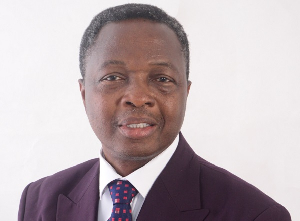
Columnist: Kwame Aduhene Kwarteng (PhD)
Exploring the role and impact of bye-elections in Ghana's democratic landscape
 File photo of some ballot boxes