In one of his hit songs, Starbwoy, Shatta Wale, the African dancehall king, brings out his lyrical dexterity by positing that “dem say we from the ghetto, but the President of Ghana know my slogan. That bi the brand for the land, if Nana no deh we get command.”
For any student of literature, these lines are boastful irony, juxtaposing, allusion, colloquialism, and metaphor, especially hinting that he was the next in ‘command’ after the then President Nana Akufo-Addo.
Ghanaians have undoubtedly come to realize that what Shatta said wasn’t just a mere wordplay but holds meaning, looking at the mammoth crowd he pulled during his two successive shows with Sarkodie in Kumasi and the Shata Fest in Accra.
It’s true that after the President Shatta Wale is next in power. But are we talking about political or military power? No. We mean an absolute command of influence in the social lives of the youths.
However, beyond fantasising about the street he controls is where the actual work begins. It’s time for Shatta to translate this into a proper social leadership, and turn the hearts of the youths toward appropriateness.
Imagine he tours the entire country just to present to the youth the need to eschew destroying our forest reserves by saying no to galamsey and accepting our cultural diversity, that Obaakè is a brother to Akwaaba. Similarly, using his influence to wage a war against the use of opioids (Tramadol and Red), which is destroying the lives of the youth.
Remember when the world mortgaged their hearts to Fela Kuti and Bob Marley!? They used it to champion a number of issues that have bedevilled the lives of the people.
Bob Marley kicked against gun and election violence when he organised The One Love Peace Concert in 1978. A concert held during Jamaica’s bloody political war between the People’s National Party and Jamaica Labour Party. It was said that he brought the two rivals leaders, Micheal Manley of the PNP and Edward Seaga of the JLP, on stage, joined their hands together for the about 32,000 people to see that peace had indeed been restored. His performance of ‘Jammin’ that night later turned as a peace campaign for the political parties.
More so, with Nigerian fela Kuti, his ‘Teacher Don’t Teach Me Nonsense’ was a critique to false democracy and election manipulation, and in ‘Zombie’, he mocked soldiers who follow orders blindly from politicians.
He even turned his home into a communal compound in 1970s called Kalakuta Republic, serving as a haven for the oppressed, wayfarers, and needy. In all this, he used his performances and peaceful marches to speak against military brutality, political violence, sexual exploitation, gun violence etc.
So yes, Shatta Wale will be the next in command, but not until he takes the trajectory of these world-class musicians whose rise to fame quickly transcended into healing the youths from notoriety, drug abuse, ethnocentrism, and to leading the fight for the spiritual renaissance of nation-building.
Opinions of Tuesday, 21 October 2025
Columnist: Abdul Rahman Odoi
Does Shatta Wale understand his influence?
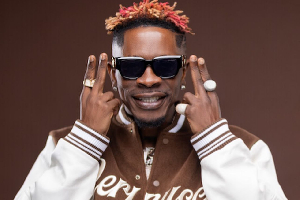 Shatta Wale is a Ghanaian Dancehall artiste





Entertainment