An open conversation with the global Ghanaian youth reveals a deep-seated frustration with a system they feel is rigged against them, and a desperate plea for leadership to listen.
Last night, across the digital expanse of the internet, a powerful and poignant conversation took place. In an X space that connected Ghanaians from across the world, the nation’s youth laid bare their souls. What emerged was not the voice of an apathetic generation, but the cry of a deeply patriotic one, a generation that finds itself in a painful emotional limbo: profoundly in love with their motherland, yet overwhelmingly convinced that the country they love is failing them.
The discussion painted a grim picture of a crisis of trust. The youth spoke of a political system where their votes are procured, not earned, likening the act to a simple transaction. “It’s like buying food,” one participant noted, “you pay for it, and then you leave the seller to their fate.” This transactional approach to democracy, they argued, directly leads to a lack of accountability from a leadership that feels it owes nothing to the electorate after the purchase is complete.
This sentiment is dangerously compounded by a history of unsustainable, ad-hoc youth employment programs. Initiatives like NABCO and Planting For Food and Jobs were cited as prime examples of policies that exploit the vulnerability of the unemployed, granting them a legitimate expectation of a future only to have that hope dashed with a change in political winds. The call was not for more temporary fixes, but for permanent, legislatively protected youth assistance programs that provide genuine security and a dignified path to employment and growth.
Beyond employment, a burning desire for entrepreneurship was palpable. The youth see profound potential for wealth generation, yet they are trapped in an economic straitjacket. How can creativity and innovation flourish, they asked, in a nation where access to capital is nearly impossible and interest rates stand at a punitive 35% or more? One participant shared a painful, concrete example of this struggle: a two-year, fruitless quest to get a response from the Agricultural Development Bank (ADB) for support to cultivate a ten-acre plot of land. His story of ambition being crushed by bureaucracy and financial barriers resonated as a shared experience.
Perhaps the most chilling conclusion from the three-hour-long discussion was the quiet, painful consensus reached among the participants: it is almost impossible for a young person to succeed in Ghana today. They feel the system is rigged against them from birth, with a leadership that does not have their interests at heart. This is not youthful cynicism; it is a desperate warning that our nation’s most valuable asset—its human capital—is losing hope and value.
Yet, this is not a story of despair, but one of demand. The frustration is born of love, and the criticism is a plea for a better future. Their requests are clear and urgent: they want leadership accountability, they want a real opportunity to build businesses and generate wealth, and above all, they want the chance to lead meaningful, prosperous lives in the Ghana they so proudly call home. The question for our leaders is, are you listening?
I share this experience as a Zongo person who feels the weight of the concerns expressed by the youth because I understand their lived reality. This piece is the manifestation of my civic duty.
Opinions of Tuesday, 9 September 2025
Columnist: Issaka Sannie-Farakhan
A Generation in Limbo: Ghana's youth love their nation but see no path to success
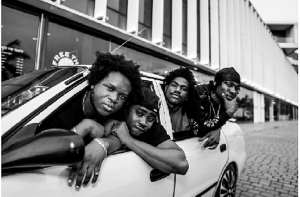 Ghana's youth have love for their nation but see no path to success