Research conducted by the Educate Africa Institute (EAI) has revealed a controversial but urgent reality: if all married men in Sub-Saharan Africa decided today to remain faithful to their spouses, an estimated 76% of female students from Senior High School through to university could drop out due to the sudden loss of financial support derived from illicit relationships.
The Reality Behind the Numbers
For many young women, especially those from low-income households, completing Senior High School or pursuing a university degree is an expensive dream.
With limited access to scholarships and inadequate family support, some turn to financially capable “sponsors” often married men who cover rent, tuition, exam registration fees and even daily stipends.
This hidden support network functions almost like an informal scholarship system. However, unlike genuine educational support, it is rooted in moral compromise, broken homes and entrenched social inequality.
The consequences of this silent economy are far-reaching. Transactional relationships encourage young women to prioritize material gain over self-reliance and integrity, creating long-term barriers to personal growth and independence.
At the same time, married men involved in such affairs destabilize their own households, fueling the rising rates of divorce across the region.
Beyond individual families, this culture of dependency undermines nation-building. When students rely on morally questionable income sources, corruption is normalized, trust in leadership erodes and social cohesion weakens.
On a personal level, many young women endure guilt, anxiety, and fear of exposure factors that often hinder their academic performance and mental well-being.
Marital infidelity is not merely a private matter; it has become a hidden driver of national instability. It remains one of the leading causes of marital breakdowns, leaving children in unstable family environments without the guidance of both parents.
A society that tolerates dishonesty loses social capital the trust that binds communities together and propels development.
Worse still, the generational impact is profound: girls grow up viewing infidelity as a legitimate survival strategy, while boys learn to treat broken vows as acceptable behavior, perpetuating a cycle of instability.
To break this cycle, Africa must invest in legitimate educational opportunities. Expanding scholarships for girls from low-income families is essential covering not only tuition but also living expenses that often push students into compromising situations.
Schools and universities must also prioritize skills training and entrepreneurship development, enabling young women to sustain themselves financially and avoid exploitative relationships.
Equally important is mentorship. School-based programs where accomplished women mentor young girls can guide them toward ethical career and life choices, instilling confidence and resilience.
Community leaders both religious and traditional must openly address the social cost of transactional relationships, condemning them while also offering constructive alternatives.
Finally, married men must be encouraged through counseling and public awareness campaigns to understand the wider damage their infidelity causes, not just to their families but to society and national development as a whole.
Africa cannot afford to build its future on broken marriages and moral shortcuts. The education of young women must not depend on hidden economies of infidelity but on integrity, hard work and equitable opportunities.
True nation-building begins when girls achieve their potential through legitimate support systems and when society upholds justice, discipline, and honesty as the foundations of progress.
William Boadi
Executive Director, Educate Africa Institute (EAI)
Opinions of Saturday, 16 August 2025
Columnist: William Boadi
76% of female students could drop out if married men remained faithful
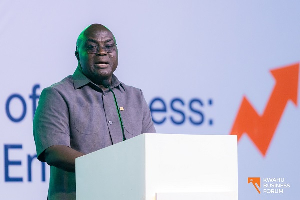
 File photo