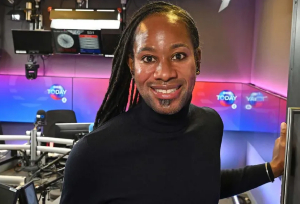
Poor financial record-keeping among players in Ghana’s film industry is making it difficult for filmmakers to secure funding from banks and other financial institutions, actress and producer Selassie Ibrahim has said.
She believes the challenge goes beyond the reluctance of financial institutions to support the creative industry, arguing that many filmmakers are unable to meet the requirements investors expect before committing funds to their projects.
She told Kwaku Owusu Adjei on Good Afternoon Ghana on Metro TV that the problem would be a major focus of the second edition of the Regal Film Festival and Awards (RIFFA), which begins in Accra on December 8, 2026.
According to her, this year’s festival will place greater attention on educating filmmakers on how to maintain proper financial records and present their businesses in a manner that attracts investment.
“That’s the biggest or the major problem we have. We don’t know how to keep our books,” she said.
Ibrahim argued that filmmakers must take responsibility for preparing themselves to access funding instead of placing all the blame on banks.
“So when you go into the banks to look for funding, they seem to be the problem, but we are the problem,” she said.
She explained that financial institutions need sufficient information about a filmmaker’s previous projects and business performance before deciding whether to invest.
“If it is not compelling enough, how would I invest?” she asked.
She said proper record-keeping would enable filmmakers to provide evidence of their previous work and demonstrate their capacity to manage investments.
“So that when an investor comes on board, it’s easier to pull your file and say, okay, this is what he’s done over the years,” she explained.
Ibrahim said the absence of reliable financial records, coupled with difficulties in finding markets for completed productions, had contributed to the challenges facing Ghana’s film industry.
She noted that producers who cannot identify where to sell their content often struggle to justify returning to production, while investors are discouraged by uncertainty over how they will recover their money.
RIFFA, she said, is seeking to address some of these challenges by bringing filmmakers together with banks, businesses and potential investors.
The 2026 edition will feature a business forum, masterclasses, seminars and a dedicated space known as the RIFFA Vault, where filmmakers can pitch their projects to financial institutions and business executives.
The festival, which runs until December 12, is also expected to attract filmmakers and industry professionals from several countries.
Ibrahim said improving financial management and production standards would be critical to making Ghana’s film industry attractive to investors and competitive internationally.
Entertainment of Friday, 27 November 2026
Source: metrotvonline.com
Poor financial record-keeping preventing filmmakers from accessing bank loans – Selassie Ibrahim
 Selassie Ibrahim is a veteran filmmaker