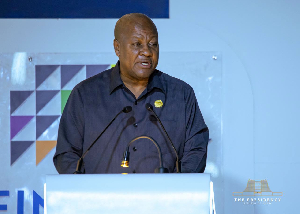
Music producer and sound engineer Morris Babyface says he has drawn a firm line between his Christian faith and his music career, insisting that since his conversion, he will only produce gospel music.
The 46-year-old producer said he completely stopped producing secular music in 2011 after what he described as an encounter with God that made him question the purpose of the music he was creating.
“It’s either you’re in or not; you cannot be in the middle,” Morris Babyface said in an interview on The Delay Show.
According to him, his decision was driven by a question about the ultimate impact of secular music on its listeners.
“I had had an encounter with God and He asked what’s the end goal of the secular music? Do the listeners after liste
ning to those songs accept Him as their Lord and personal saviour or not?” he recounted.
He said the question forced him to reconsider whether continuing to produce secular music was consistent with his faith.
“So, then, what’s the relevance? Yes, the secular songs do not encourage criminality but is it gospel or vanity?” he asked.
Morris Babyface said some secular musicians tried to persuade him not to cut ties with them, arguing that music is a talent and should not be restricted by genre.
He, however, rejected that argument, maintaining that his spiritual conviction required him to make a clear choice.
“There’s a bridge, you’re on the left, why don’t you cross to the right but rather want me to cross to the left where you are?” he said.
He added that since making the decision, he has refused to produce music for non-gospel artistes.
“If you’re not a gospel musician, I don’t work with you,” he stated.
From secular music to gospel
Morris Babyface's decision marked a major shift in a career that had already established him as a notable producer in Ghana's music industry.
Before his conversion, he worked with several prominent Ghanaian artistes, including Kojo Antwi, Obrafour, Okomfour Kwadee, Lord Kenya and Ofori Amponsah.
His later work has focused on gospel music, with his production and musical contributions forming part of his post-conversion career.
Among the gospel projects associated with him is Ohemaa Mercy's Onim Me, which features Morris Babyface.
Looking back, Morris Babyface maintains that his decision to abandon secular music was not simply a career choice but part of what he considers his commitment to his faith.
Entertainment of Tuesday, 11 August 2026
Source: www.ghanaweb.com