The National Theatre of Ghana has unveiled a comprehensive 2026–2030 Strategic Plan aimed at modernizing its operations, strengthening institutional capacity, and repositioning the Theatre as a leading cultural and artistic hub both locally and internationally.
The Minister for Tourism, Culture and Creative Arts, Abla Dzifa Gomashie, in a speech read on her behalf by the Director of Culture and Creative Arts, Divine Kwame Owusu Ansah, described the plan as a bold and forward-looking roadmap. She noted that it is designed to restore the Theatre’s prestige, enhance transparency, and ensure accountability to stakeholders.
According to the Minister, the strategy will also promote Ghana’s rich cultural heritage, support artistic expression, and create sustainable economic opportunities, particularly within the tourism sector.
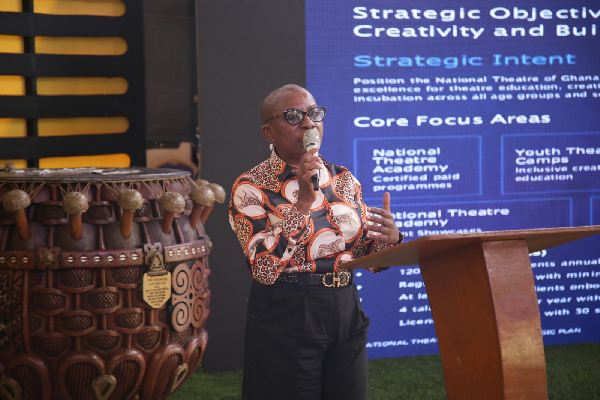
At the launch, Acting Executive Director, Henry Malm, expressed appreciation to stakeholders for their continued support. He explained that the strategic plan was developed collaboratively by the board, management, and consultants.
Malm emphasized that the initiative seeks to equip the institution with the necessary skills, technology, and financing to operate effectively in an increasingly digital and competitive environment.
He added that prior engagements with staff and industry players were conducted to build awareness and ensure smooth implementation.
Board Chair of the Theatre, Korkor Amarteifio, highlighted the institution’s longstanding contribution to nurturing renowned artists and creative professionals. She stressed its role in fostering both artistic talent and essential life skills.
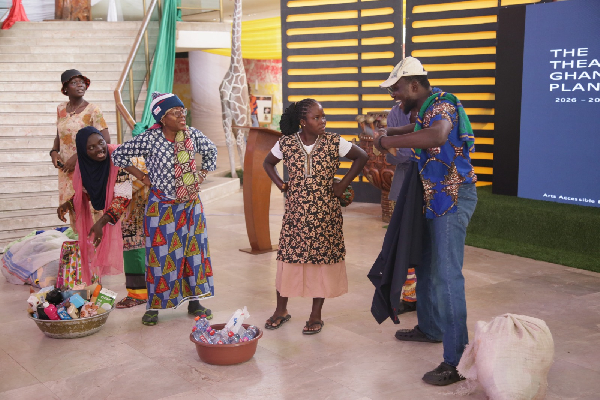
According to her, the new strategy prioritizes service excellence, expanded access to cultural experiences, creative skills development, and long-term sustainability, while addressing key challenges such as institutional relevance, accountability, and financial resilience.
Providing further insight into the framework, consultant Olubunmi Ajayi underscored the need for the Theatre to evolve in response to rapid technological advancements.
She noted that the plan envisions a digitally enabled and globally competitive institution aligned with national priorities, including job creation, youth empowerment, and the growth of the creative economy.
The strategic plan places strong emphasis on talent development, arts education, audience expansion, and staff capacity building. It also seeks to deepen partnerships with the private sector, academic institutions, and creative communities to drive innovation and boost internal revenue generation.
Ultimately, the initiative positions the National Theatre of Ghana as a modern, inclusive, and financially sustainable institution, committed to making the arts more accessible while serving as a catalyst for national development and a platform for showcasing Ghanaian culture on the global stage.
Entertainment of Tuesday, 7 April 2026
Source: PR Unit – MOTCCA
National Theatre launches 2026–2030 strategic plan to drive cultural growth
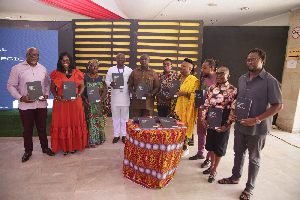 Delegation from the ministry with the National Theatre management