As Ghana celebrates its rich cultural heritage this month, one film that continues to stand tall as a memorable classic is No Time to Die.
Released in 2006, nearly two decades ago, the movie remains a brilliant example of how Ghanaian cinema fuses comedy, romance, and deep cultural themes into a compelling story.
Storyline
At the center of the film is Asante, a hearse (funeral car) driver in Accra who struggles to find love because of the stigma attached to his profession.
His life takes a turn when he falls in love with Esi, a young woman mourning her mother. Despite their strong feelings, Esi’s father fiercely opposes the relationship, refusing to accept a funeral driver as a son‑in‑law.
Determined, Asante defies societal expectations and pursues love, ultimately challenging long‑held beliefs about status, work, and dignity.
Throwback Thursday: The magic of 'Anansesem'
Cast
The movie features a lineup of prominent Ghanaian actors, including:
David Dontoh as Asante
Agatha Ofori as Esi
Fritz Baffour
Kofi Bucknor
Agnes Dapaa
Emmanuel France
Christiana Awuni
Their performances brought authenticity and humor to the film, making it relatable to everyday Ghanaian life.
Themes and Messages
Beyond its comedic and romantic appeal, No Time to Die carries powerful messages:
Dignity in every profession, the film challenges societal prejudice, teaching that no honest job should define a person’s worth.
Love overrules social status. It emphasizes that genuine love should not be dictated by societal expectations or class differences.
Cultural reflection and change – The story explores Ghanaian funeral traditions and highlights how they have evolved, especially under external influences.
Background and production
No Time to Die was directed by renowned Ghanaian filmmaker King Ampaw, who also co‑produced and co‑wrote the film. The project was a collaboration between Ghana and Germany, blending local storytelling with international production support.
The film runs for about 95 minutes and is delivered in English, making it accessible to both local and international audiences.
PAT/EB
Entertainment of Thursday, 19 March 2026
Source: www.ghanaweb.com
Throwback Thursday: 'No time to die', a classic Ghanaian film
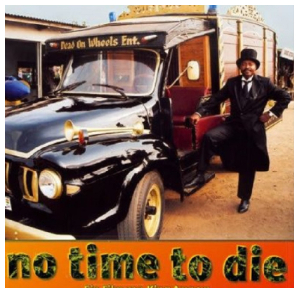 'No Time To Die' is a classic Ghanaian film