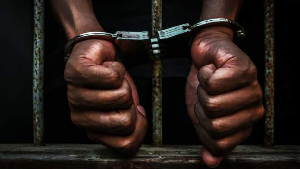
Post-traumatic stress disorder (PTSD) is a mental health condition that's caused by an extremely stressful or terrifying event like sexual assault, road or domestic accident, mental and physical abuse, etc, either being part of it or witnessing it.
Symptoms may include flashbacks, nightmares, severe anxiety, trouble sleeping, uncontrollable thoughts about the event, always being on guard for danger, and many others.
For children 6 years old and younger, symptoms also may include reenacting a traumatic event or aspects of a traumatic event through play, frightening dreams that may or may not include aspects of a traumatic event.
Over time, PTSD symptoms can vary in how severe they are. You may have more PTSD symptoms when you're generally stressed or when you come across reminders of what you went through, including the same time of year when a past traumatic event happened.
When to see a doctor
Talk to your healthcare professional or a mental health professional if you have disturbing thoughts and feelings about a traumatic event for more than a month, especially if they're severe.
Also, see a health professional if you're having trouble getting your life back under control. Getting treatment as soon as possible can help prevent PTSD symptoms from getting worse.
If you or someone you know has suicidal thoughts, get help right away:
* Reach out to a close friend or loved one.
* Contact a suicide hotline.
* Make an appointment with your healthcare professional or mental health professional.
If you think you may hurt yourself or attempt suicide, contact your local emergency number right away.
If you know someone who's in danger of attempting suicide or has made a suicide attempt, make sure someone stays with that person for safety. Or, if you can do so safely, take the person to the nearest hospital emergency department.
To diagnose post-traumatic stress disorder, your healthcare professional will likely do a physical exam to check for medical problems that may be causing your symptoms.
* Also, a mental health evaluation that includes talking about your symptoms and the trauma that led up to them. You also may fill out questionnaires asking about your experiences and symptoms.
Post-traumatic stress disorder treatment can help you regain a sense of control over your life. The main treatment is talk therapy, also known as psychotherapy. But treatment also can include medicine.
Combining these treatments can make your symptoms better by:
* Teaching you skills to manage your symptoms.
* Helping you think better about yourself, others and the world.
* Learning ways to cope if any symptoms arise again.
* Treating other problems often related to traumatic experiences, such as depression, anxiety, or misuse of alcohol or drugs.
PTSD is as much a threat to life as the event that brought it, so get treated and stay safe.
Meanwhile, watch the trailer for GhanaWeb’s upcoming documentary on teenage girls and how fish is stealing their futures below:
PAT/EB
LifeStyle of Monday, 11 August 2025
Source: www.ghanaweb.com
PTSD: The real killer after 'the kill'
 Living with PTSD can be as deadly as the trauma itself