Investing is not just about putting money into an opportunity and expecting returns. You must first understand your financial situation, the purpose of the investment and the risks involved.
A Ghanaian do not need thousands of cedis to start investing, if you can set aside GH¢100 every month, you can take your first step towards building wealth.
BoG moves to tighten laws against fake cedi notes
However, here are four important questions one should ask him or herself before choosing where to invest their money.
1. What do you want to achieve with your investment?
Before putting your money into any investment, think about what you want to use the money for.
Are you saving towards buying a house, paying school fees, preparing for retirement or building wealth for the future?
Your answer will help you decide which investment is right for you.
You must also consider when you will need the money. If you plan to use it in three months, you may need an option that allows you to withdraw it easily. But if your goal is to invest for 10 years, you may consider options that are suitable for a longer period.
Also, think about how much risk you can take. Some investments can lose value, so you should not put your money into something you do not understand or cannot afford to lose.
2. Which investment should you choose?
After deciding what you want to achieve, the next step is to find an investment that matches your goal.
There are several options in Ghana, including Treasury bills, fixed deposits, shares, mutual funds, corporate bonds and real estate. You can also invest in a business or other ventures.
Each option has its own benefits and risks. Some may offer easier access to your money, while others may require you to keep your funds invested for a longer period.
Do not choose an investment simply because a friend or someone on social media says they made money from it.
You should find out how it works, what returns you can expect and what could cause you to lose money. Remember that the possibility of making higher returns often comes with higher risk.
3. Is the company or investment platform trustworthy?
Knowing where to invest is important, but you must also check who will be handling your money.
Before sending money to a bank, investment company, mobile application or online platform, find out whether it is licensed and approved by the relevant authorities in Ghana.
Be careful with people or companies promising unusually high returns within a short period. Some fraudulent schemes use social media and WhatsApp to attract people with promises of quick profits.
Ask questions about where your money will be invested, the fees you will pay, the risks involved and how you can withdraw your money.
Do not rush to invest because someone is putting pressure on you or claims that an opportunity will soon close. Take time to do your checks before making a decision.
4. Can you invest regularly and remain patient?
Starting with GH¢100 is possible, but building wealth requires discipline and consistency.
You can begin with an amount you can comfortably afford every month and increase it as your income improves.
Set a target and try to contribute regularly. You should also check your investments from time to time to see how they are performing.
It is important to understand that investing is different from saving. Savings are useful for emergencies and expenses you may face soon, while investments are usually meant to help you achieve bigger financial goals over time.
You should also avoid putting all your money into one investment. Spreading your money across different options can help reduce the risk of depending on a single investment.
Conclusion
Starting an investment journey with GH¢100 does not mean you will become wealthy overnight. The aim is to develop the habit of investing, make informed choices and give your money time to grow.
Before committing your money, understand your goals, choose an investment that suits your needs, check that the provider is credible and be prepared to remain consistent.
The amount you start with may be small, but the decisions you make about your money can have a lasting effect on your financial future.
ANAS/EB
“We Like the Design, Release It Now” – Ghanaians React to New Currency Notes
Business News of Friday, 20 November 2026
Source: www.ghanaweb.com
EXPLAINER: Here are four questions to consider before investing with GH¢100
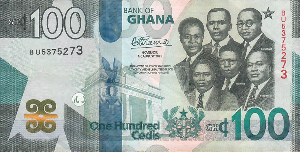 A file photo of the 100 cedis note


Entertainment