The government has outlined eight pillars to guide the implementation of its US$10 billion New Economy Programme, which is expected to run from 2027 to 2030.
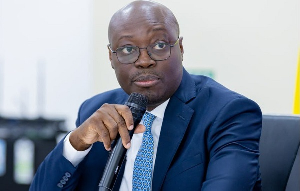
The Minister of Finance, Dr Cassiel Ato Forson, announced the pillars when he presented the 2027 Budget Statement and Economic Policy to Parliament on Thursday, November 12, 2026.
The programme is aimed at transforming the structure of Ghana’s economy by expanding production, promoting local value addition and creating jobs.
The eight pillars are:
1. Macroeconomic stability and affordable finance.
2. Commercial agriculture.
3. Energy infrastructure.
4. Critical minerals value addition.
5. Tourism, culture and creative arts.
6. Textiles and garments.
7. Pharmaceuticals and biomanufacturing.
8. The technology economy.
Dr Forson said the eight pillars were interconnected and would collectively form a productive system to support the country’s economic transformation.
He explained that agriculture would provide food and industrial raw materials, while reliable energy would support the implementation of the 24-hour economy.
He added that the programme would promote local processing of minerals and cocoa, expand tourism and creative businesses, boost textile and garment production, and strengthen pharmaceutical manufacturing.
On the technology front, the Minister said the government intended to expand employment and foreign exchange opportunities while improving rural connectivity to ensure that people across the country could participate in the new economy.
He said the integrated approach would guide government expenditure and support private sector investment, innovation and production.
DR/MA
LIVE: Dr Cassiel Ato Forson is presenting the 2027 Budget Statement and Economic
Business News of Thursday, 12 November 2026
Source: www.ghanaweb.com