WhiteBIT a global cryptocurrency exchange and part of the W Group fintech ecosystem, has called for greater focus on the practical applications of digital assets in Ghana, highlighting the potential of blockchain technology to support businesses, financial institutions, and the wider economy.
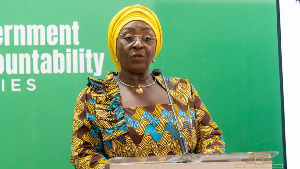
Speaking at the AVAS 2026 Summit, where WhiteBIT is the headline sponsor, the company's Country Manager Fred Frimpong highlighted potential applications of digital assets beyond cryptocurrency trading, including international payments, real-world asset tokenisation, property ownership verification, and capital markets.
This development comes after WhiteBIT Ghana was admitted into the Securities and Exchange Commission's (SEC) virtual asset regulatory sandbox in March 2026, marking a step in the company's engagement with Ghana's developing digital asset ecosystem.
"Crypto adoption is only the beginning. The real opportunity for Ghana lies in exploring how digital assets can support businesses, expand access to investment, and make financial services more efficient. Achieving this requires not only technology, but also collaboration between industry participants, financial institutions, and regulators," said WhiteBIT Ghana Country Manager Fred Frimpong.
The exchange serves approximately 10 million users globally, while the broader W Group ecosystem reaches more than 40 million users across businesses spanning digital asset trading, blockchain infrastructure, payments, and financial services.
Ghana's growing digital asset market
Ghana has emerged as one of sub-Saharan Africa's significant cryptocurrency markets, reflecting growing interest in digital assets across the region.
According to Chainalysis' 2026 Geography of Cryptocurrency Report, the country's crypto economy grew 80% year-on-year to $5.1 billion between July 2025 and June 2026, driven by increased activity across centralised and decentralised exchanges.
Across sub-Saharan Africa, cryptocurrency activity reached $101 billion, representing 13.4% annual growth and making it the world's fastest-growing region during the period.
The International Monetary Fund's September 2026 report also identified Ghana as the fifth-largest cryptocurrency market in sub-Saharan Africa, with an estimated 8% to 17% of its population having bought or sold digital assets. Annual cryptocurrency transactions are estimated at approximately $21 billion.
Yet growing adoption presents a new challenge: translating cryptocurrency activity into financial services that deliver practical economic value. While trading and stablecoin usage remain prominent, applications such as asset tokenisation and institutional blockchain-based services are still developing.
From cross-border payments to investment opportunities
Speaking during the session, WhiteBIT's Country Manager illustrated how blockchain technology could help address practical financial challenges in Ghana.
One example focused on cross-border trade. An importer in Accra purchasing goods from Istanbul could face settlement periods of 3 to 5 business days and currency conversion costs of up to 10% in the scenario presented.
Blockchain-based payment infrastructure could potentially shorten settlement times, reduce transaction costs, and improve access to working capital.
WhiteBIT's institutional trading and OTC liquidity services, alongside digital asset payment infrastructure, can provide technological capabilities relevant to exploring these opportunities.
Another example highlighted real-world asset tokenisation, which allows ownership interests or rights associated with physical assets to be represented digitally.
Tokenization could potentially enable individuals to participate in commercial real estate investment with smaller amounts, such as GHS 500, through fractional ownership. Similar approaches could be explored for assets such as gold and cocoa, potentially creating new financing and investment opportunities.
WhiteBIT Country Manager Fred Frimpong also highlighted potential applications in property ownership verification and capital markets, including tokenised bonds, automated financial processes, and more efficient regulatory reporting.
Whitechain, W Group's blockchain network, provides infrastructure relevant to exploring these applications. However, their practical implementation would depend on local regulatory requirements, institutional partnerships, and market readiness.
The work ahead
For WhiteBIT and W Group, Ghana represents an opportunity to combine international technological expertise with local collaboration to explore the next generation of digital financial services.
As the country's regulatory framework develops, the industry's next challenge will be turning growing digital asset adoption into solutions that support businesses, expand financial participation, and contribute to economic development.
Business News of Wednesday, 4 November 2026
Source: WhiteBIT
WhiteBIT on Ghana's Digital Asset Future: Moving from adoption to real-world utility
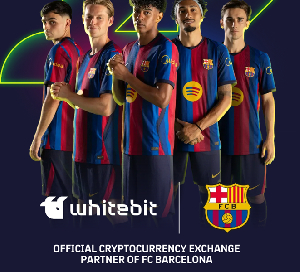 WhiteBIT is official cryptocurrency exchange partner of FC Barcelona